On the map of energy transition, two sets of data for the end of 2025 and the beginning of 2026 precisely outline the changing trajectory of China's transportation energy consumption market.
Since March 2026, domestic liquefied petroleum gas (LPG) futures prices have seen an upward trend. The main 2605 contract has risen from around 4,500 yuan per ton to a high of 7,244 yuan per ton on March 23, with a cumulative increase of over 60%. The core driver of this round of upward trend is not the peak season of domestic demand, but rather the severe disruption to the global supply side caused by the escalation of conflicts in the Middle East, damage to key energy facilities, and the obstruction of shipping in the Strait of Hormuz. As the world's largest importer of LPG, China has a high degree of dependence on foreign sources. The sudden change in the international supply pattern is directly transmitted to the domestic market through import costs and trade flows.
Recently, the Petroleum and Natural Gas Department of the National Energy Administration has clearly defined the key tasks for the domestic oil and gas industry in 2026, covering six major aspects including industry planning and compilation, exploration and development, and infrastructure connectivity. Among them, the construction of the oil and gas market system has been listed as one of the six core tasks, aiming to promote the industry's deep transformation from "resource-driven" to "market-driven".
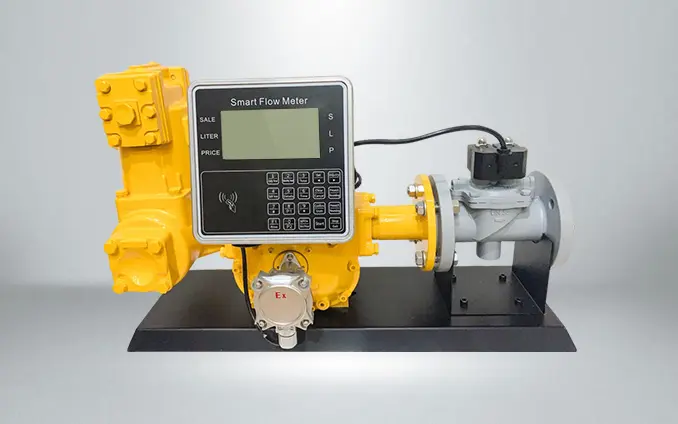
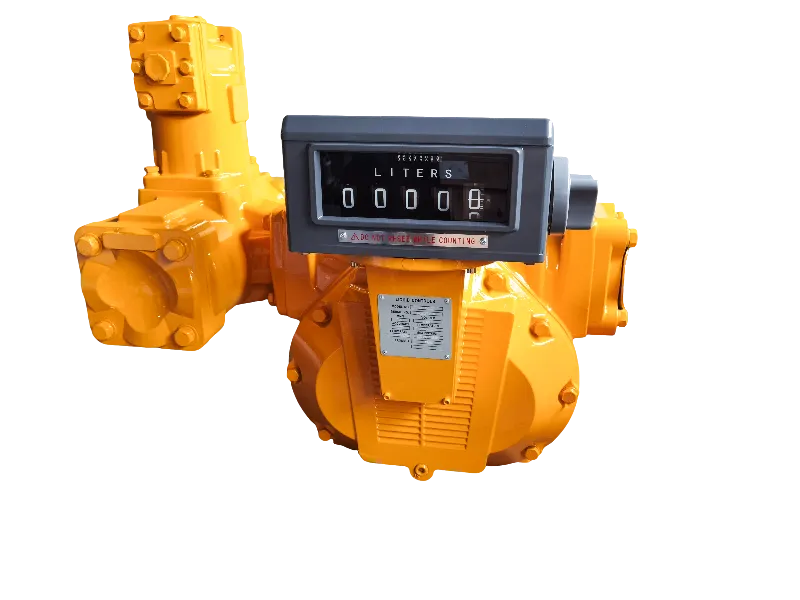
Fuel Flow Counters are vital instruments for accurate fuel measurement, helping industries monitor fuel consumption, reduce waste, and improve operational efficiency. This guide explores their working principle, types, applications, and key considerations.
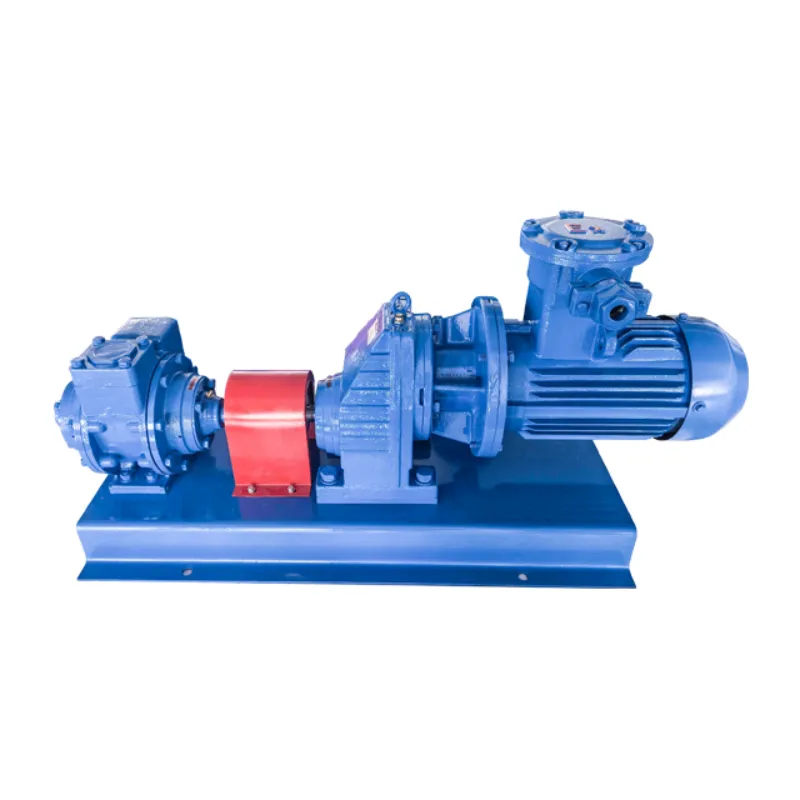
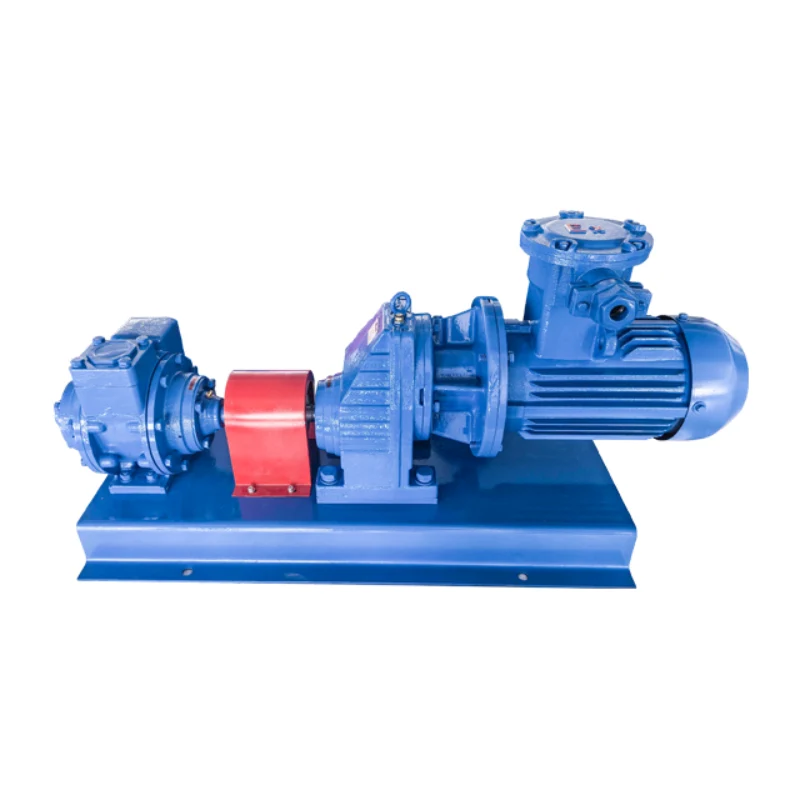
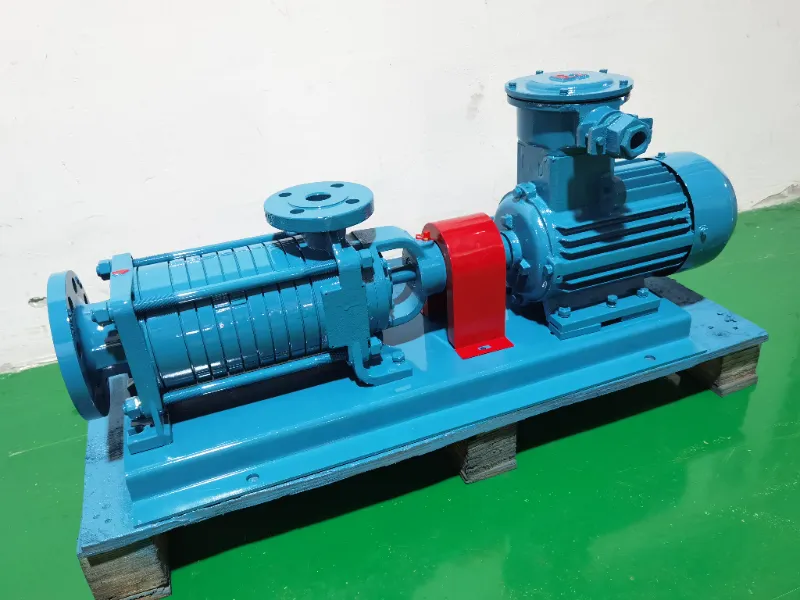
An LPG Vane Pump is a critical component in liquefied petroleum gas transfer systems, widely used in storage terminals, fillinges common operational challenges faced by buyers and operators, and provides practical guidance on selection, performance, safety, and maintenance. The content is structured to support informed decision-making for engineers, procurement managers, and system integrators seeking reliable LPG pumping solutions. stations, cylinder filling plants, and industrial fuel supply lines. This article explains how an LPG Vane Pump works, address
As the new energy revolution and consumption upgrades continue to deepen, a quiet yet profound equipment revolution centered on "smart upgrades and integrated services" is unfolding within China's gas station industry. From coastal expressways to western national highways, multiple energy enterprises have recently intensified procurement, testing, and deployment of a new generation of intelligent equipment to address increasingly diverse market demands.
We use cookies to offer you a better browsing experience, analyze site traffic and personalize content. By using this site, you agree to our use of cookies.
Privacy Policy