Email Us
News

How Does a Fuel Rotary Pump Support Reliable Fluid Transfer?

2026-10-20 0 Leave me a message

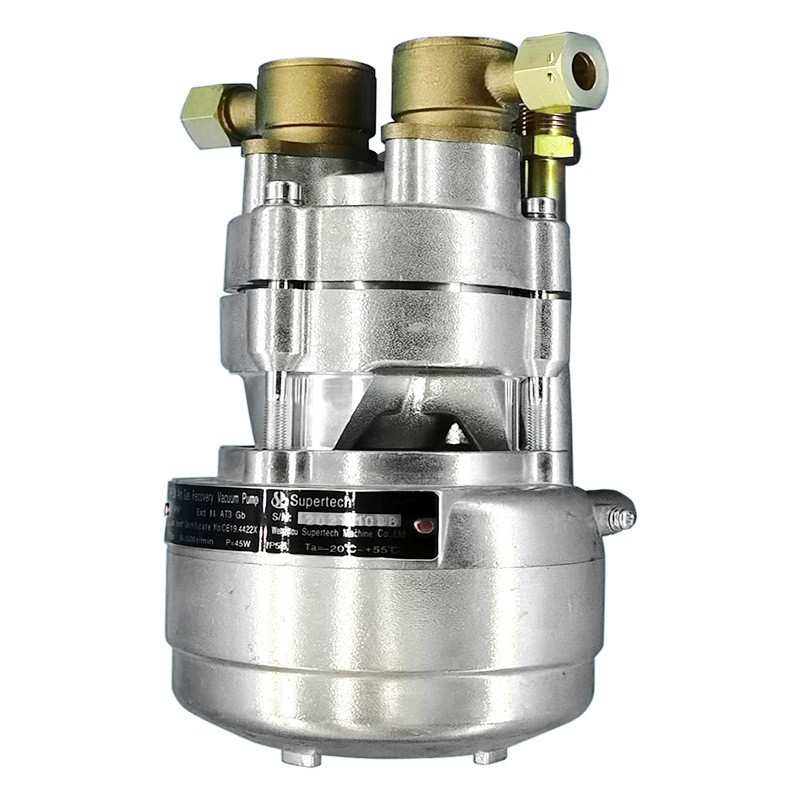
Reliable fuel transfer is essential for the safe and efficient operation of petroleum equipment, fuel dispensing systems, and industrial fluid handling installations. A Fuel Rotary Pump supports this process by moving liquid through a controlled mechanical action. Its performance depends on internal component accuracy, material quality, sealing integrity, and compatibility with the operating environment.

As fuel distribution systems continue to develop, equipment manufacturers are paying closer attention to flow consistency, maintenance requirements, and long-term operating stability. Understanding the working characteristics of rotary pumping equipment helps engineers select suitable configurations and maintain dependable fluid transfer performance across different applications.

Fuel Rotary Pump

Understanding Rotary Pump Technology

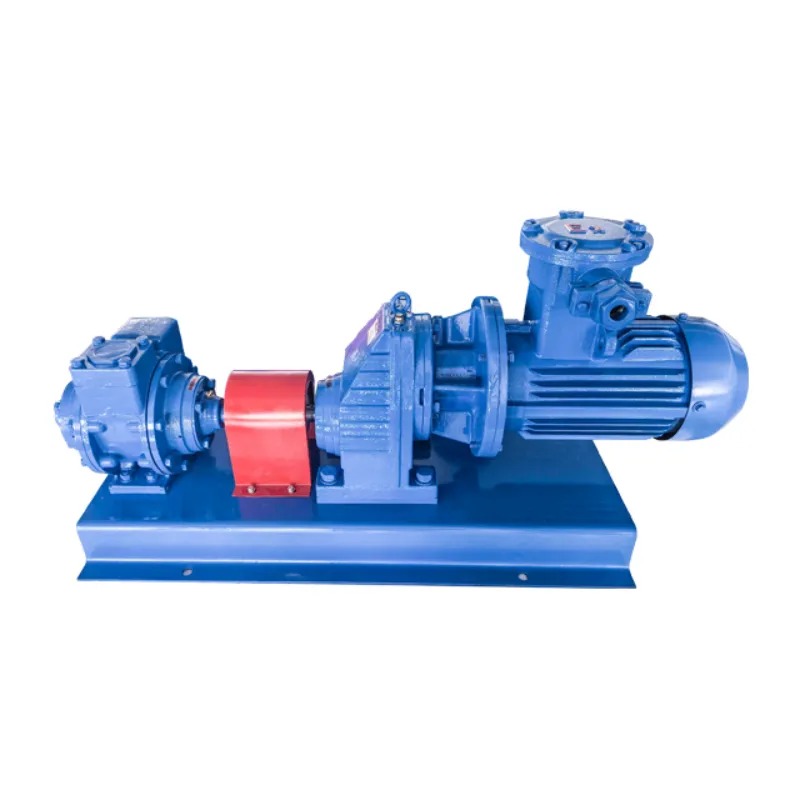
Rotary pumps are positive displacement pumps that move liquid through the rotation of internal mechanical elements. Depending on the design, these elements may include gears, vanes, lobes, or other rotating structures. As the components rotate, liquid enters the pump chamber, moves through the internal flow path, and exits through the discharge connection.

This operating principle makes rotary pumping technology suitable for applications that require controlled liquid movement and consistent delivery. Actual performance depends on pump construction, rotational speed, liquid properties, system pressure, and installation conditions.

How Liquid Moves Through the Pump

The pumping process begins when the rotating mechanism creates a change in the available chamber volume or forms spaces that carry liquid from the inlet toward the outlet. The internal structure helps separate the suction and discharge sides, supporting the movement of liquid through the system.

  • Liquid intake: Fuel enters through the suction connection and fills the available internal spaces.
  • Mechanical transfer: Rotating elements carry the liquid through the pump chamber.
  • Discharge: The liquid leaves through the outlet and enters the connected pipeline or dispensing equipment.
  • Continuous operation: The rotating mechanism repeats the process while the pump operates within its specified conditions.

Although the general principle is shared by many rotary designs, the internal structure determines how the pump handles different liquids and operating demands. Selecting a suitable design therefore requires attention to the intended fuel, expected flow conditions, and equipment configuration.

Why Positive Displacement Matters

Positive displacement technology moves a defined volume of liquid during each operating cycle. The actual delivered flow is influenced by rotational speed, internal clearances, fluid properties, and leakage within the pump. This makes proper design and operating control important when a system requires predictable fuel delivery.

Unlike centrifugal pumps, which transfer energy through a rotating impeller, rotary positive displacement pumps move liquid through enclosed or partially enclosed spaces. The distinction affects their performance characteristics, pressure response, and suitability for particular installations.

Engineers should also consider system protection. A positive displacement pump can continue building pressure if the discharge line becomes restricted. Suitable pressure relief arrangements and operating controls are therefore important wherever the installation requires them.

Key Performance Factors in Fuel Transfer

Pump performance should be evaluated as part of the complete fluid handling system rather than through a single specification. A suitable configuration must match the required delivery conditions while remaining compatible with the liquid and the surrounding equipment.

Flow Stability and Delivery Requirements

Consistent flow supports predictable equipment operation and helps maintain the intended performance of connected dispensing systems. Variations in delivery may result from changes in rotational speed, inlet conditions, liquid viscosity, internal wear, or air entering the suction line.

When evaluating a Fuel Rotary Pump, engineers should review the required flow range alongside the system's pressure conditions. The selected model should provide adequate capacity without operating outside its recommended limits.

  • Confirm the required delivery rate under normal operating conditions.
  • Evaluate inlet pressure and suction line resistance.
  • Check whether the pump can handle the viscosity of the intended liquid.
  • Consider how continuous operation may affect temperature and component wear.
  • Verify that the pump is compatible with the connected motor, drive, and control equipment.

These considerations help reduce the risk of selecting equipment that performs adequately during initial testing but becomes unreliable under actual working conditions.

Pressure Management and Mechanical Load

Pressure conditions affect the mechanical load experienced by internal components, the drive system, and the surrounding connections. Excessive pressure can increase wear, create leakage risks, and place unnecessary stress on seals or housings.

The pump should therefore operate within the manufacturer's specified pressure range. System designers should assess pressure losses across filters, valves, pipes, and dispensing equipment to understand the resistance the pump must overcome.

Appropriate pressure monitoring and protective devices can help identify abnormal operating conditions. Where a relief valve is required, its configuration should be suitable for the pump design and the fluid handling system. Protective arrangements must not be treated as a substitute for correct equipment selection or proper installation.

Design Features That Influence Service Life

Long-term reliability depends on the relationship between mechanical design, material selection, manufacturing accuracy, and operating conditions. Components that maintain their intended dimensions and sealing characteristics are better positioned to support stable performance over repeated working cycles.

Internal Clearances and Surface Quality

Rotary pumping mechanisms rely on carefully controlled clearances between moving and stationary components. Clearances that are too large may allow greater internal leakage, reducing delivery efficiency. Clearances that are too small can increase friction or create interference when temperatures, manufacturing tolerances, or operating loads change.

Precision machining helps maintain the dimensional relationships required for the intended pump design. Surface quality also influences friction, wear behavior, and the effectiveness of internal sealing arrangements.

Manufacturers must balance these factors according to the mechanical structure and application requirements. A design intended for one type of liquid or operating environment may not provide the same performance when used under substantially different conditions.

Material Compatibility and Corrosion Resistance

Material selection should account for the chemical properties of the liquid, the expected temperature range, pressure exposure, and possible contamination. Pump housings, shafts, gears, vanes, seals, and other internal parts may require different material characteristics because each component performs a different function.

  • Structural strength: Housing and rotating components must withstand the mechanical loads associated with normal operation.
  • Wear resistance: Contact surfaces should maintain acceptable performance under repeated movement.
  • Corrosion resistance: Materials must be suitable for the liquid and the surrounding environment.
  • Seal compatibility: Elastomers and other sealing materials must be appropriate for the fuel, temperature, and pressure conditions.
  • Dimensional stability: Components should retain the necessary fit and clearances during operation.

No single material is suitable for every fuel handling application. Compatibility should be confirmed against the specific liquid formulation and the manufacturer's technical recommendations before equipment is placed into service.

Comparing Common Rotary Pump Designs

Rotary pumps are available in several configurations, each with different mechanical characteristics. Understanding these differences helps engineers determine which design is appropriate for the required flow conditions, liquid properties, and maintenance practices.

Pump Design Operating Characteristics Typical Considerations
Gear pump Uses meshing gears to transfer liquid through internal spaces Requires suitable clearances, lubrication conditions, and wear control
Vane pump Uses vanes moving within a rotor and surrounding chamber Vane materials, sliding contact, and internal sealing affect performance
Lobe pump Uses rotating lobes to carry liquid through the pump chamber Rotor timing, clearance, and liquid characteristics influence operation
Screw pump Uses rotating screw elements to move liquid along the pumping chamber Design suitability depends on viscosity, pressure, and system requirements

The table provides a general comparison rather than a universal ranking. Actual performance varies with the specific pump construction, manufacturing quality, and operating environment. Some designs are intended for specialized fluids or industrial processes and should not automatically be considered suitable for every fuel dispensing application.

Choosing a Suitable Configuration

Selection should begin with the system's functional requirements. Engineers need to identify the intended liquid, required flow, operating pressure, drive arrangement, available installation space, and expected duty cycle.

For fuel dispensing equipment, dimensional compatibility and connection requirements are also important. A pump must integrate properly with the surrounding assembly, and its operating characteristics must match the requirements of the complete dispensing system.

Additional considerations may include noise, vibration, maintenance access, replacement part availability, and the operating environment. A configuration that is easy to inspect and service may offer practical advantages where equipment must remain available for extended operating periods.

Applications in Petroleum and Fuel Equipment

Rotary pumping technology supports a range of liquid transfer applications. Its suitability depends on the pump design, the characteristics of the liquid, and the requirements of the equipment in which it is installed.

Fuel Dispensing Systems

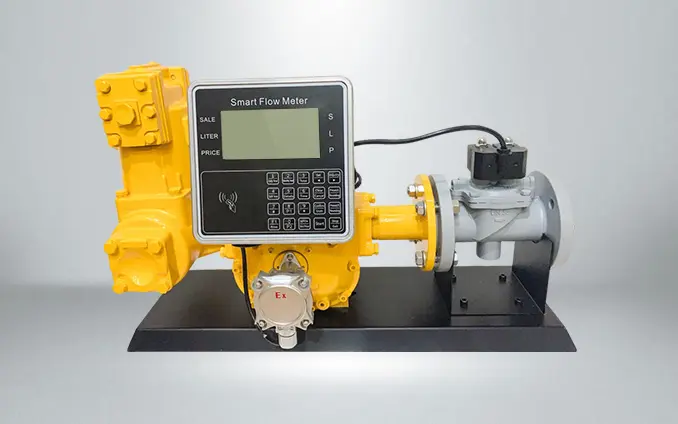
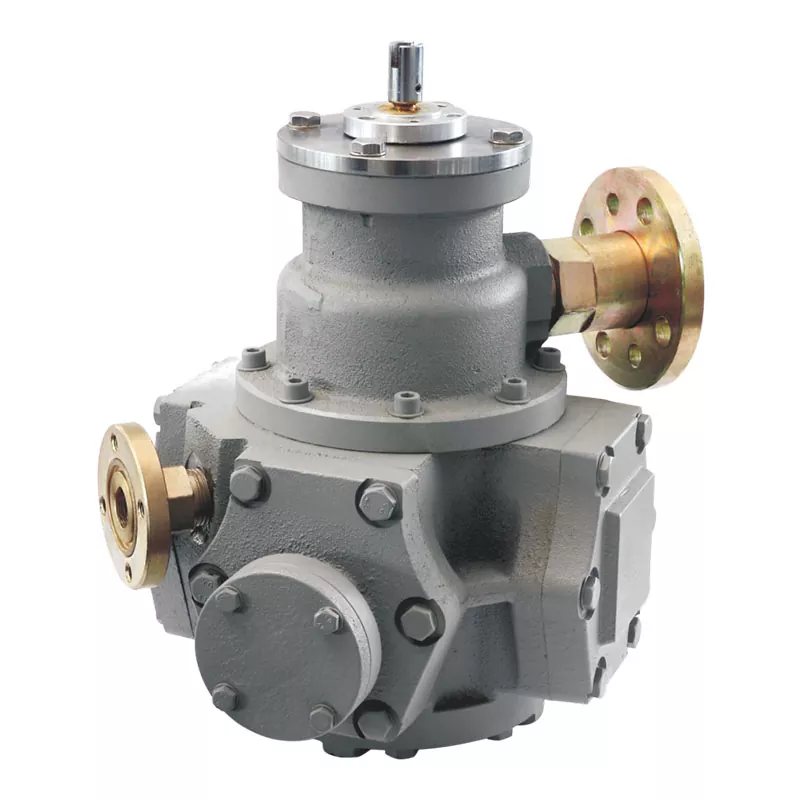
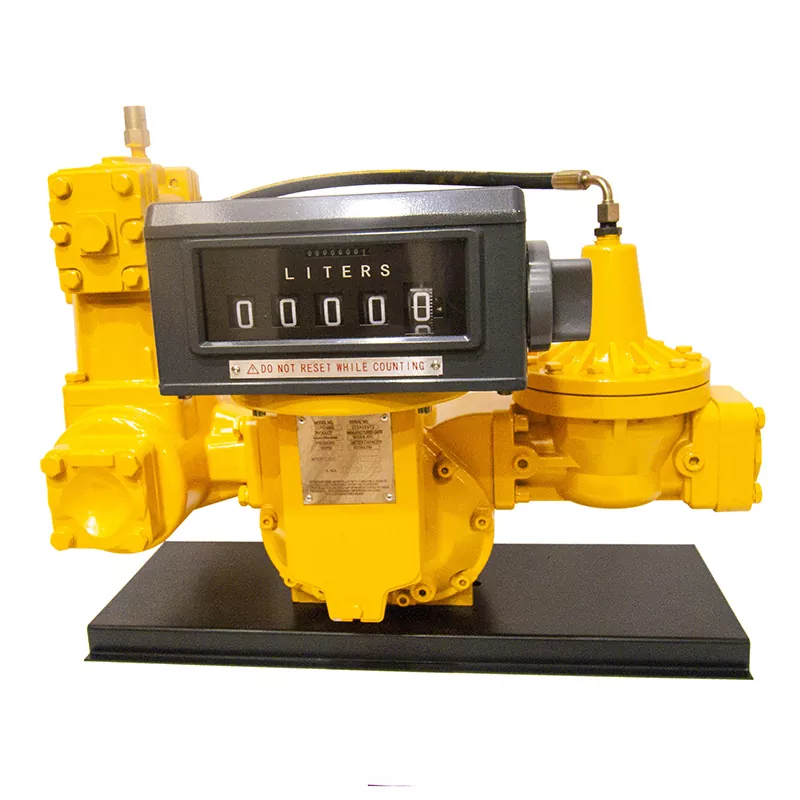
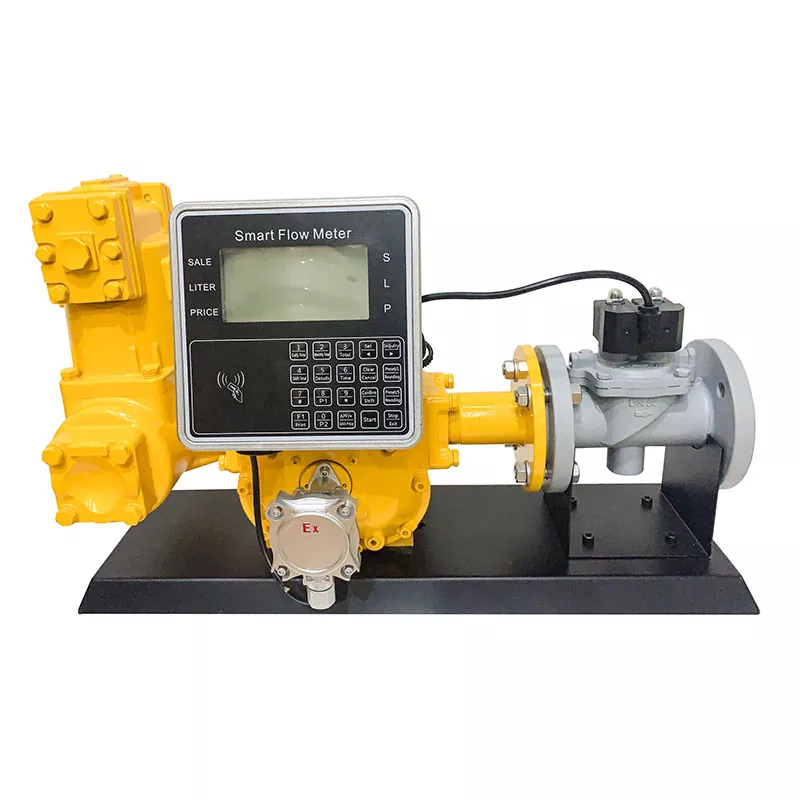
Fuel dispensing equipment requires coordinated operation between the pump, flow measurement components, valves, hoses, and control mechanisms. Each part contributes to the overall transfer process, so the performance of one component can affect the behavior of the complete assembly.

A rotary pump used in a dispensing system must provide the required flow under the expected operating conditions. It must also be compatible with the fuel and meet the applicable requirements for the intended installation. Correct integration helps maintain dependable delivery and reduces avoidable mechanical problems.

Petroleum Transfer Equipment

In petroleum handling installations, pumps may be used to transfer compatible liquids between storage equipment, pipelines, and process systems. The required design depends on the liquid's viscosity, the distance and elevation involved, pressure losses, and the operating schedule.

Engineers should evaluate the entire transfer path rather than focusing only on pump capacity. Inlet restrictions, poorly designed pipework, unsuitable valves, and inadequate filtration can affect operation even when the pump itself is correctly specified.

Equipment Used in LPG Systems

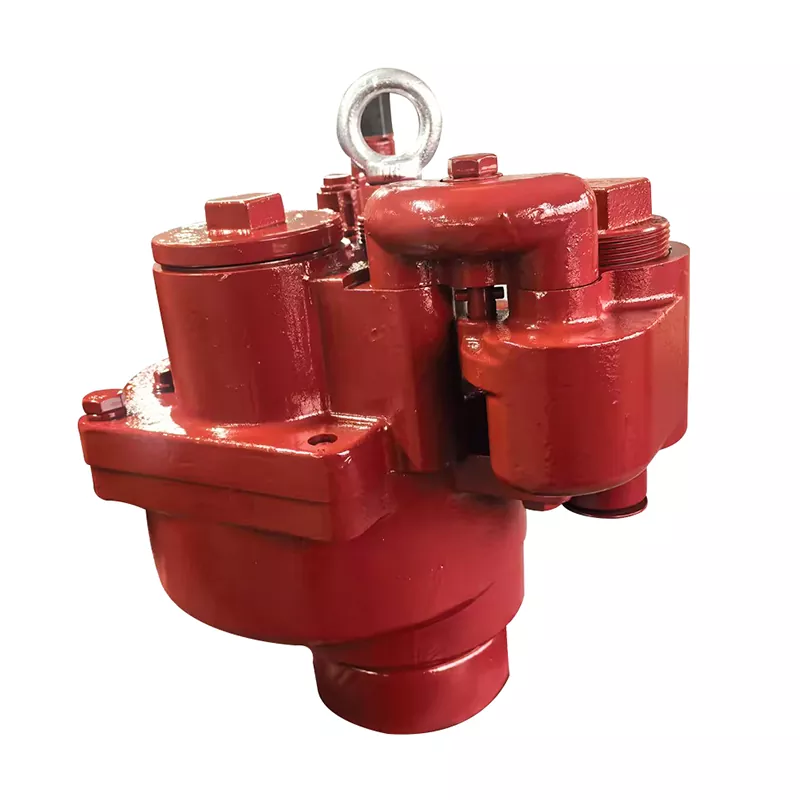
Liquefied petroleum gas requires particular attention because its physical state changes with pressure and temperature. A pump intended for LPG service must be specifically designed and approved for the relevant operating conditions, including the possibility of vapor formation and the need to maintain suitable inlet conditions.

Not every rotary pump designed for conventional liquid fuels is suitable for LPG. Engineers should verify fluid compatibility, sealing materials, pressure ratings, temperature limits, and the manufacturer's intended application before selecting a pump for gas dispensing equipment.

Installation, inspection, and maintenance must follow the applicable safety requirements and equipment instructions. Proper ventilation, leak prevention, compatible components, and suitable protective measures are essential when handling flammable fuels.

Installation Practices and System Integration

Correct installation provides the foundation for stable operation. Even a well-manufactured pump may experience reduced performance if the piping layout, alignment, inlet conditions, or drive arrangement is unsuitable.

Suction Line Design

The suction line should be designed to provide the inlet conditions required by the pump. Excessive restrictions can reduce inlet pressure and contribute to cavitation, inadequate filling, or unstable delivery, depending on the liquid and pump design.

Pipe diameter, line length, fittings, filters, and valves all influence suction resistance. Engineers should also consider the liquid's vapor pressure and temperature, particularly in systems where changes in pressure can cause vapor formation.

Connections must be properly sealed and supported. Air ingress may interrupt liquid delivery in applications where it is not expected, while poorly supported pipework can transfer unnecessary mechanical loads to the pump housing.

Drive Alignment and Operating Conditions

Where a pump is driven by an electric motor or another power source, alignment and mounting should follow the manufacturer's instructions. Incorrect alignment may increase vibration, bearing loads, and wear across the drive assembly.

The installation should also provide suitable access for inspection and maintenance. Operating personnel need to be able to examine relevant connections, monitor performance, and carry out approved service procedures without creating unnecessary hazards.

Before commissioning, the installer should confirm that the pump, motor, fluid connections, and protective devices are configured correctly. Initial operation should follow the manufacturer's prescribed procedure and remain within the specified operating range.

Maintenance and Fault Prevention

Preventive maintenance helps identify developing problems before they interrupt equipment operation. The inspection schedule should reflect the manufacturer's recommendations, the operating environment, the type of liquid handled, and the actual service conditions.

Routine Inspection Priorities

Inspection should focus on changes that may indicate wear, leakage, restricted flow, or mechanical deterioration. Consistent records make it easier to identify changes from normal operating behavior and determine when further investigation is required.

  • Check the pump housing and connections for signs of leakage or physical damage.
  • Monitor unusual vibration, noise, or changes in operating temperature.
  • Review flow performance and pressure readings against normal operating conditions.
  • Inspect filters and strainers where fitted, following the recommended service procedure.
  • Examine seals, bearings, drive components, and other serviceable parts as specified by the manufacturer.
  • Replace worn or damaged components with parts compatible with the original equipment.

Maintenance work should be performed by appropriately trained personnel. Before servicing equipment, the system must be isolated and depressurized as required, and the relevant fuel handling and workplace safety procedures must be followed.

Recognizing Common Operating Problems

Reduced flow can result from several causes, including inlet restrictions, internal wear, unsuitable operating conditions, or problems with the drive system. A systematic inspection helps distinguish between these possibilities without replacing components unnecessarily.

Unusual noise or vibration may indicate misalignment, bearing deterioration, inadequate inlet conditions, or another mechanical issue. Leakage may result from damaged seals, worn contact surfaces, incorrect assembly, or incompatible materials.

In fuel systems, any suspected leak or abnormal operating condition should be handled according to the applicable safety procedures. Equipment should not be returned to service until the cause has been assessed and the required corrective action has been completed.

Quality Assurance in Pump Manufacturing

Manufacturing quality has a direct influence on component consistency and long-term reliability. Dimensional accuracy, material control, assembly practices, and inspection procedures all contribute to the ability of a pump to perform as intended.

Machining and Assembly Control

Precision machining helps establish the dimensions and surface characteristics required for the pump's internal mechanism. Process control is particularly important for parts that interact closely, such as gears, shafts, rotors, housings, and sealing surfaces.

Assembly quality is equally important. Components must be installed in the correct orientation, with suitable clearances and fastening arrangements. Improper assembly can undermine the benefits of accurate machining and create performance problems during operation.

Manufacturers can support consistent production through controlled work procedures, equipment maintenance, operator training, and documented inspection practices. These measures help identify manufacturing deviations before finished products are delivered.

Measurement and Product Verification

Measurement systems help confirm that manufactured components meet their specified dimensions and tolerances. Depending on the design, inspection may cover critical diameters, surface finish, connection dimensions, sealing features, and other characteristics that affect assembly or operation.

Functional verification can also help establish whether the assembled pump operates as intended. Appropriate checks may include leakage inspection, operating behavior, and performance evaluation under defined test conditions. The exact procedure should correspond to the product design and applicable technical requirements.

A structured quality management system supports consistency by defining responsibilities, controlling production processes, and maintaining records. Certification can demonstrate that a management system has been assessed against a relevant standard, but it should not be confused with automatic certification of every product or application.

Developments in Pump Engineering

Ongoing improvements in manufacturing technology and equipment design continue to influence the development of rotary pumping systems. Greater attention to precision, serviceability, and operating efficiency can help equipment manufacturers address changing requirements across fuel handling applications.

Improved Production Consistency

Modern machining equipment and measurement practices can help manufacturers maintain tighter control over critical dimensions. Consistent component production supports assembly compatibility and helps reduce variations that may otherwise affect performance.

Process monitoring can also provide useful information about manufacturing stability. By reviewing inspection results and recurring production issues, manufacturers can identify opportunities to improve tooling, work instructions, and quality control procedures.

Maintenance-Oriented Design

Equipment design increasingly considers the practical needs of inspection, servicing, and component replacement. Accessible service areas, clearly defined maintenance procedures, and compatible replacement components can simplify routine work.

Where appropriate, monitoring instruments can help operators observe pressure, temperature, flow, and other operating conditions. These measurements support more informed maintenance decisions, although monitoring systems do not eliminate the need for physical inspection or compliance with the manufacturer's service recommendations.

Future improvements will continue to depend on the specific needs of each application. Reliable engineering requires a balance between performance, safety, manufacturing feasibility, service requirements, and the total operating conditions of the equipment.

Questions to Consider Before Selecting Equipment

Which Technical Information Should Be Confirmed?

Before choosing a pump, engineers should review the intended liquid, required delivery conditions, operating pressure, temperature range, connection dimensions, and drive requirements. They should also confirm whether the pump is intended for continuous or intermittent operation.

Where the equipment will be installed in a regulated fuel handling environment, applicable approvals and safety requirements must be considered. The selected product should match the intended application rather than relying on general descriptions of pump performance.

How Can Compatibility Be Maintained During Replacement?

Replacement planning should begin with the original equipment specifications and identification information. Relevant details may include the pump model, mounting arrangement, shaft configuration, port dimensions, seal materials, and rated operating conditions.

A replacement part that appears mechanically similar may still differ in internal design or fluid compatibility. Confirming these details before installation helps reduce the risk of leakage, poor performance, or premature wear.

Why Is Preventive Maintenance Important?

Preventive maintenance allows operating personnel to identify developing issues before they lead to unexpected downtime. It also helps preserve the condition of seals, bearings, internal mechanisms, and associated equipment.

The most effective maintenance plan is based on actual operating conditions and manufacturer guidance. Inspection intervals should be adjusted when the application, duty cycle, or working environment changes, while all servicing must follow the relevant safety procedures.

Wenzhou Supertech Machine Co., Ltd. and Its Manufacturing Focus

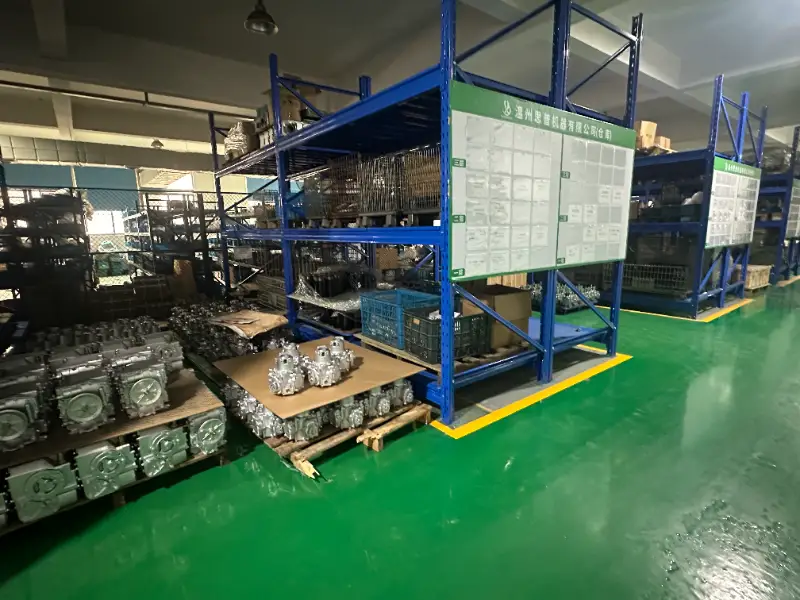
Wenzhou Supertech Machine Co., Ltd. was established in the fuel dispensing equipment sector with a focus on mechanical components for petroleum and LPG applications. The company develops and manufactures products including fuel pumps, fuel flowmeters, LPG pumps, and LPG flowmeters, supporting different requirements within fuel dispensing systems.

With an established production base and experience in the industry, Supertech combines the adoption of relevant external technologies with ongoing independent innovation. Its product development approach focuses on practical equipment requirements, mechanical performance, and manufacturing consistency.

Quality Management and Production Capabilities

Supertech identifies product quality as a central part of its manufacturing philosophy. The company operates with reference to an ISO quality management system and emphasizes production process control, measurement, and inspection to support product consistency.

For mechanical components used in fuel dispensing equipment, careful manufacturing and verification are important to maintaining reliable operation. Attention to machining accuracy, component compatibility, and product inspection helps address the technical demands of petroleum equipment applications.

Supporting Fuel Equipment Requirements

Different dispensing systems require components that match their mechanical design and operating conditions. Supertech's product range covers several categories of fuel and LPG dispensing components, allowing the company to serve a variety of equipment-related requirements within its manufacturing scope.

When evaluating a Fuel Rotary Pump or other mechanical components, technical information should be reviewed against the intended application. Flow requirements, pressure conditions, liquid compatibility, connection specifications, and maintenance considerations all contribute to appropriate product selection.

Through its continued focus on manufacturing quality, technical development, and measurement control, Wenzhou Supertech Machine Co., Ltd. aims to provide dependable mechanical solutions for the petroleum equipment industry. Its experience in fuel pumps, flow measurement equipment, and LPG dispensing components forms the foundation of its ongoing commitment to practical engineering and consistent product quality.

Related News
Leave me a message
Mobile
+86-15671022822
Address
No. 460, Jinhai Road, Economic And Technological Development Zone, Wenzhou, Zhejiang, China
X
We use cookies to offer you a better browsing experience, analyze site traffic and personalize content. By using this site, you agree to our use of cookies. Privacy Policy
RejectAccept