Email Us
News

Why Choose This 2-Inch Fuel Rotary Pump for Your Transfer Needs?

2026-09-07 0 Leave me a message

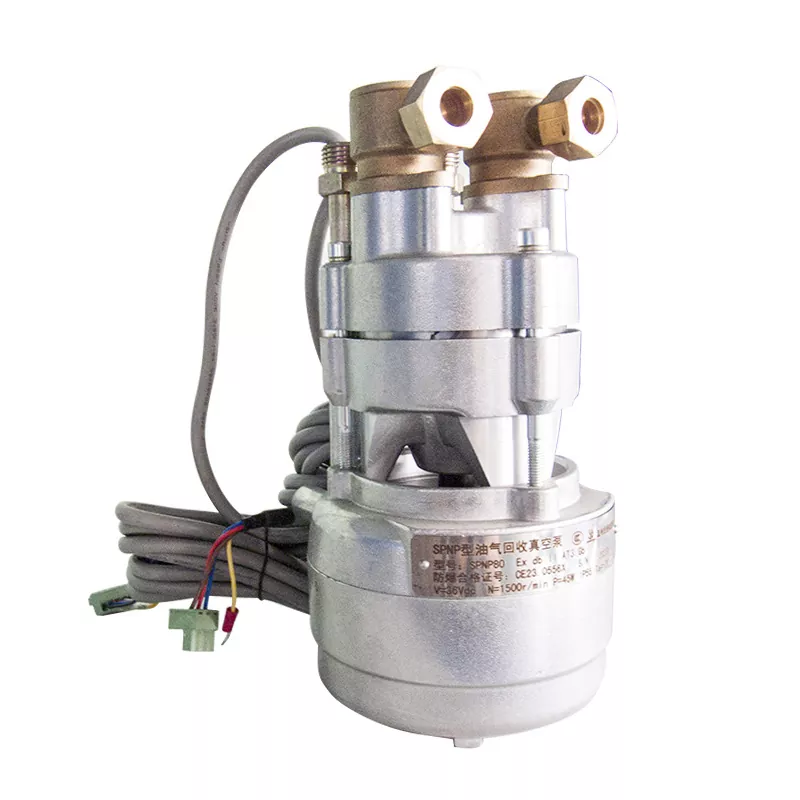
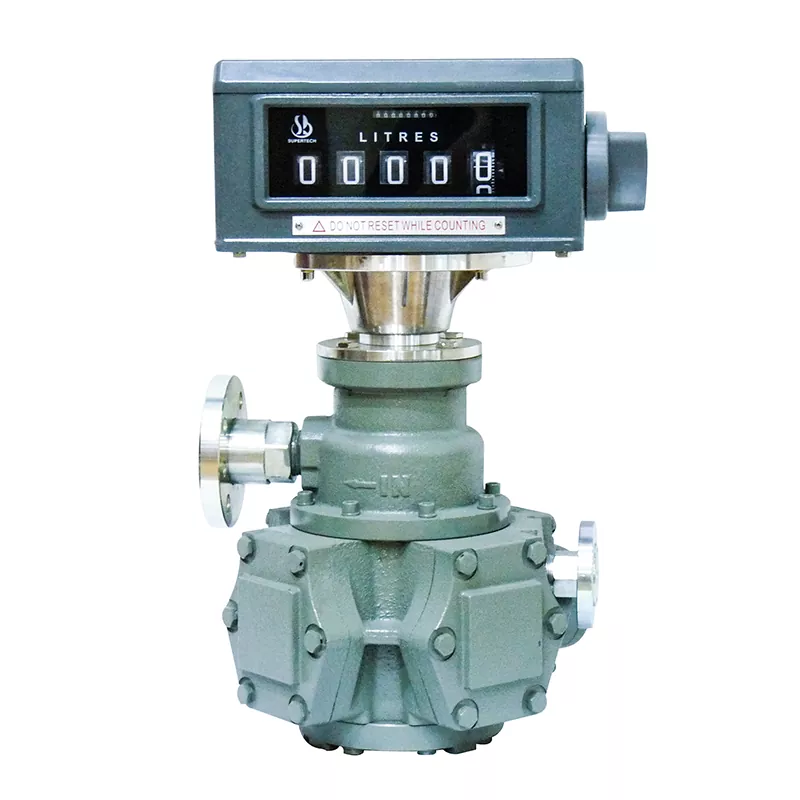
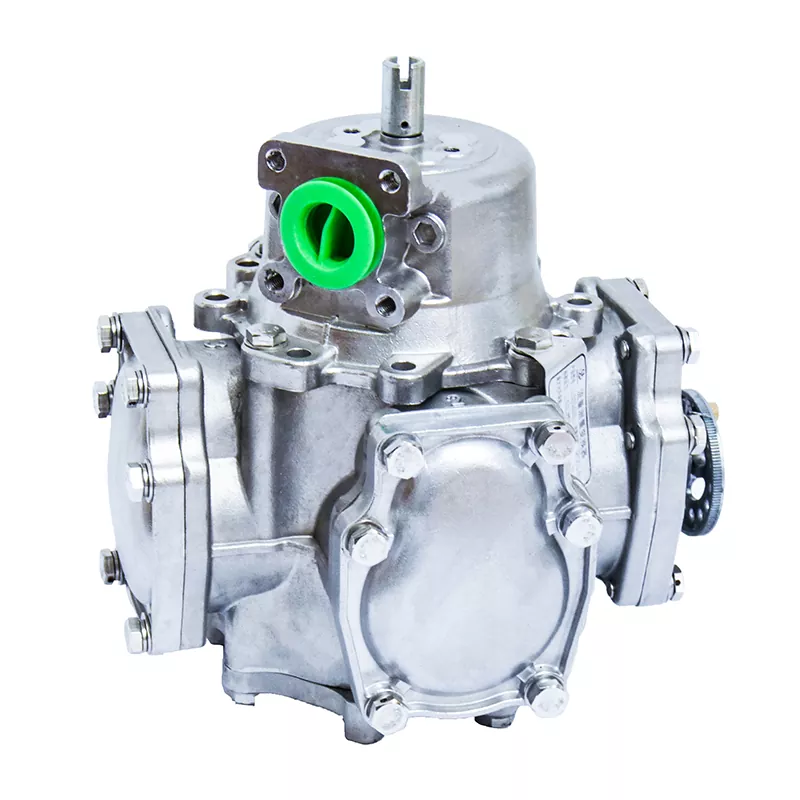
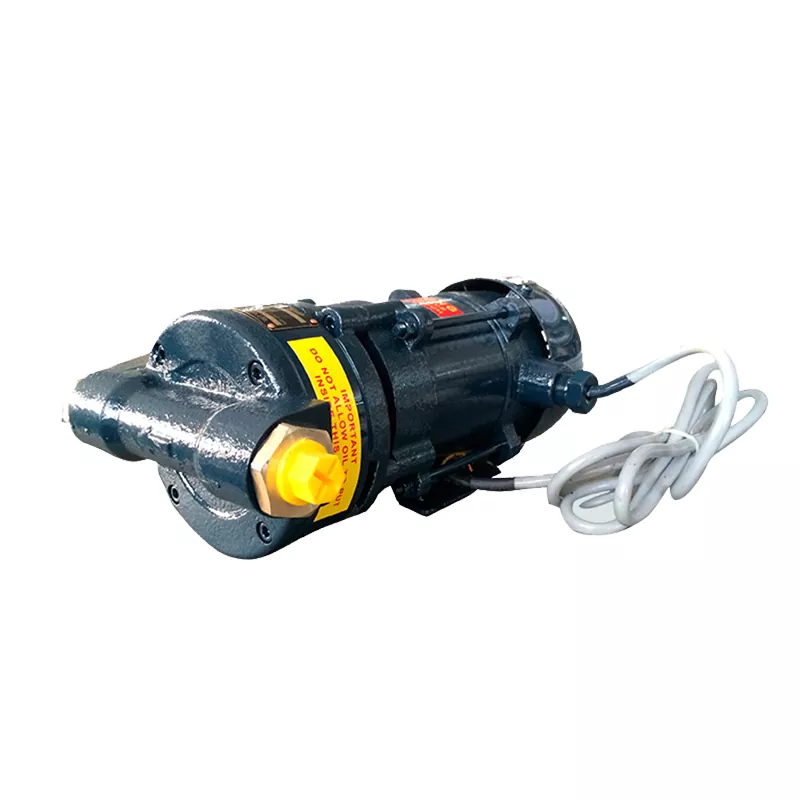
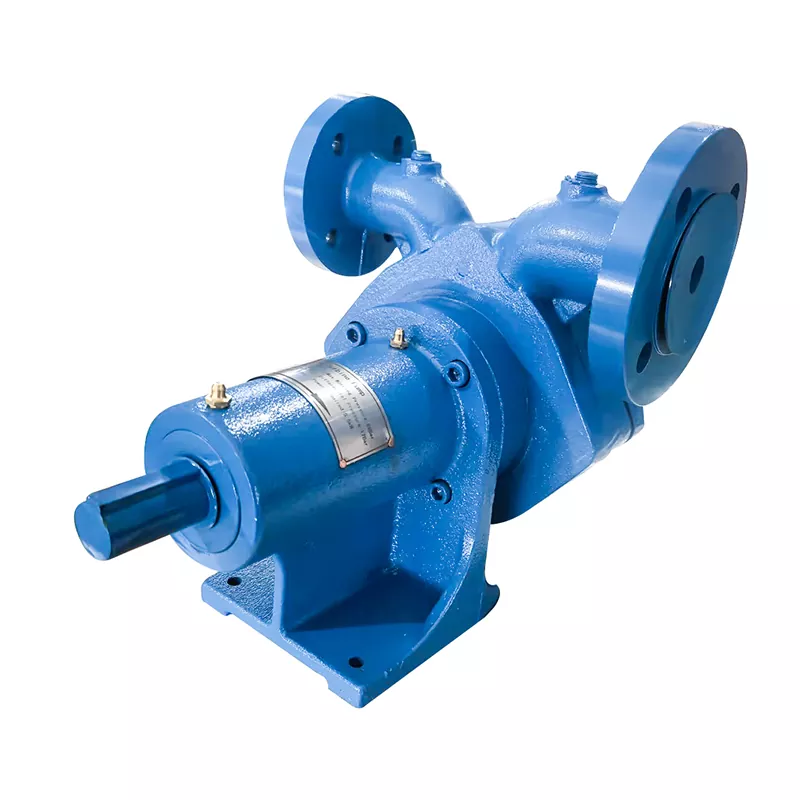
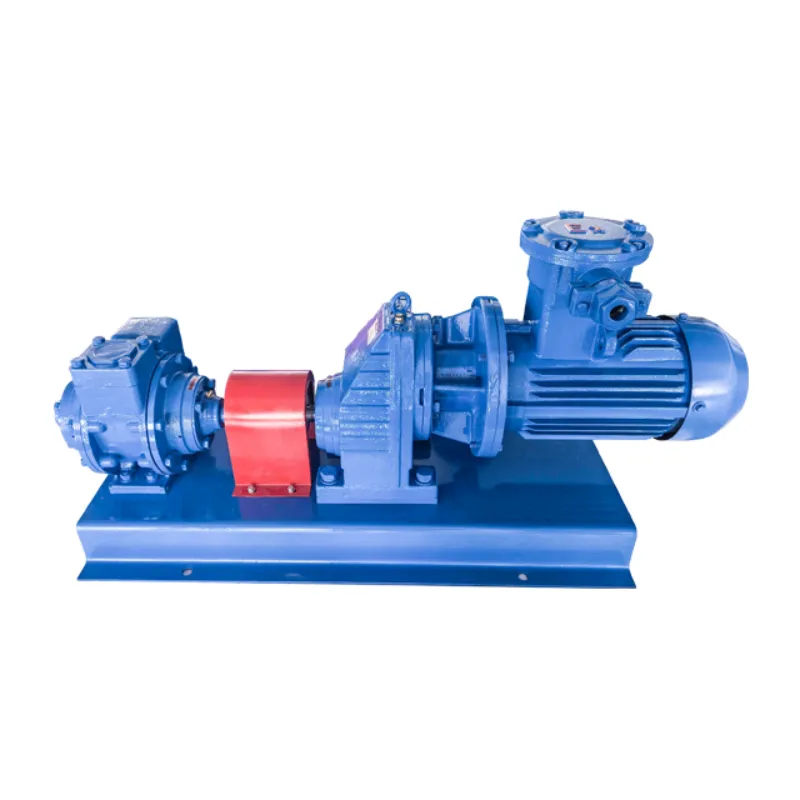
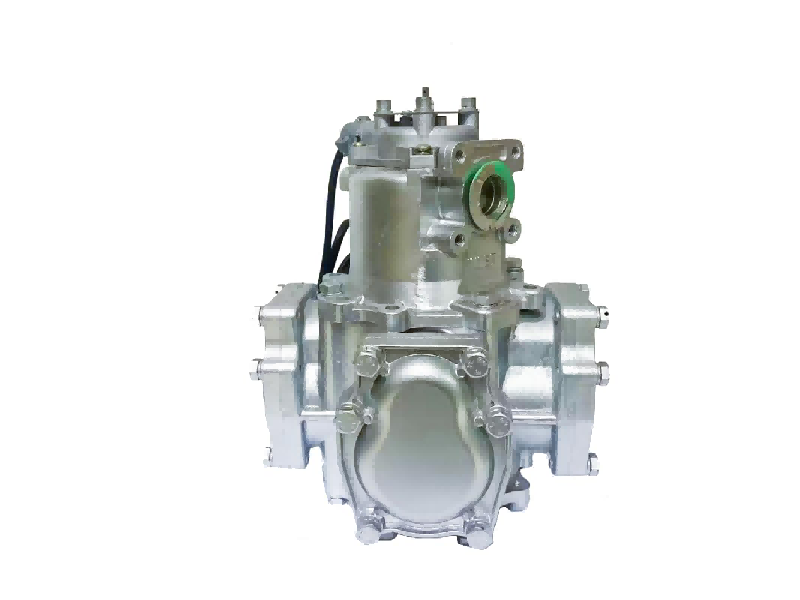
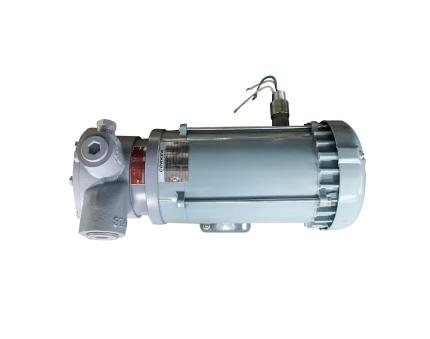
In the process of moving fuel from tankers to storage tanks, and from storage to dispensers, a pump's job is straightforward—move the liquid from Point A to Point B, fast enough, steady enough, and durable enough to keep doing it day after day. That's exactly what the 2-inch fuel rotary pump does. It's a positive displacement vane pump built for medium-flow fuel transfer, particularly good at handling viscous or volatile liquids. Service station offloading, small depot tank-to-tank transfer, and general fuel distribution—these are the kinds of jobs it handles.

2-Inch Fuel Rotary Pump

What Makes It Dependable?

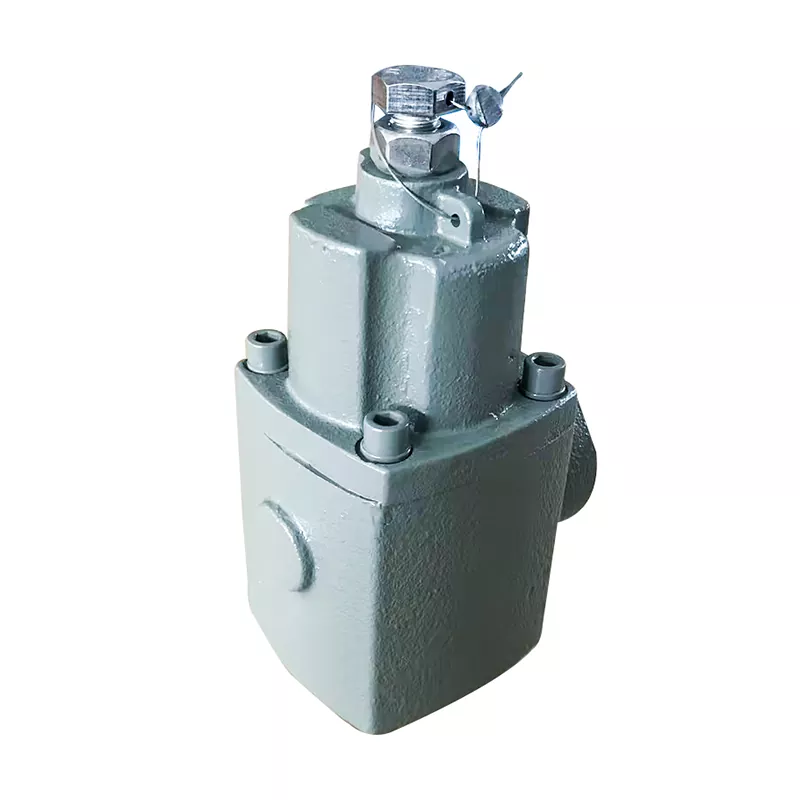
A pump's reliability shows in how it handles the unexpected. This 2-inch fuel rotary pump comes with a built-in relief valve. If the discharge valve suddenly closes and line pressure spikes, the valve automatically opens to relieve pressure, preventing motor overload and burnout. It's the first line of defense for equipment protection.

It also has strong self-priming capability. Even when the prime mover runs at idle speed, the pump still draws and delivers fuel while meeting flow and pressure requirements. Operators don't have to watch the tachometer constantly—more room for error. The pump body is available in cast iron or ductile iron, with seals compatible with both traditional fuels and biofuels. Flow rate is adjustable by changing speed, so one pump handles different tasks without equipment changes.

2-Inch Fuel Rotary Pump

Who Uses It and Where?

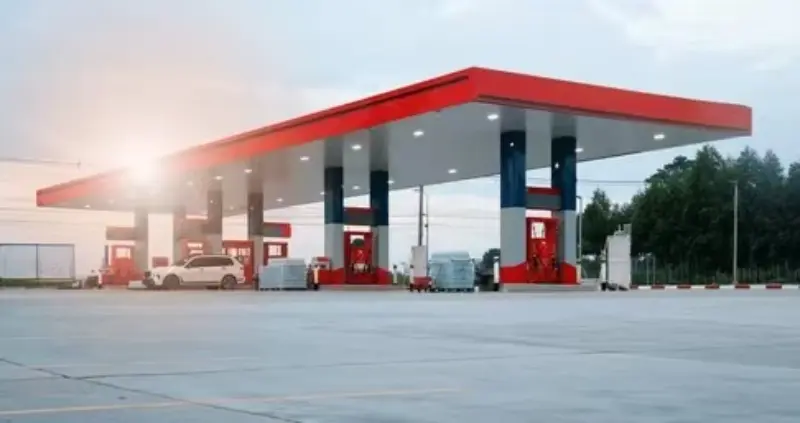
The most common application is offloading at service stations and small to medium-sized depots. When a tanker arrives, this pump transfers fuel from the truck into underground storage. At 300 L/min, it meets daily offloading requirements with ease. Its strong self-priming capability means it quickly establishes suction even when there's air in the lines—no repeated priming needed.

At industrial sites, farms, or private depots with their own fuel storage, the pump is often used for fuel distribution and transfer. Installation is simple: connect the piping, power it up, and it runs. For facilities handling biofuels, the specialty elastomer seals won't swell or shrink due to fuel composition differences, eliminating leakage risks.

2-Inch Fuel Rotary Pump

Does It Make Economic Sense?

From purchase to operation, the cost structure is straightforward. First, the pump itself is reasonably priced and compact—it doesn't take up much space or require expensive foundation work. Second, power consumption is relatively low compared to other pumps of similar specifications, which shows up on the electricity bill over time.

Maintenance doesn't require specialized skills. Wear parts are few—mechanical seal, rotor assembly, gaskets, O-rings, and bearings—so spare parts inventory stays lean and affordable. Most repairs can be handled by a regular mechanic without waiting for factory support. That's especially important for remote stations or independent depots where downtime is costly.

2-Inch Fuel Rotary Pump

What We Offer

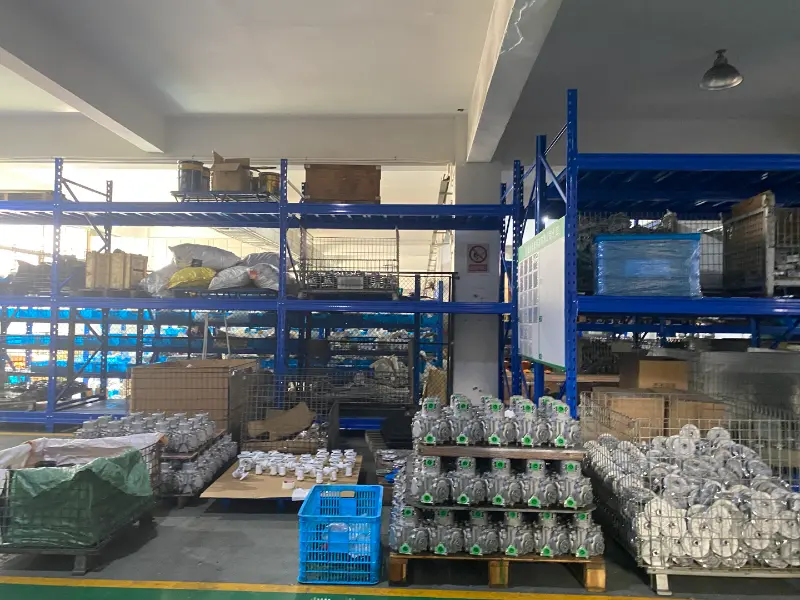
Wenzhou Supertech Machine Co., Ltd. , as a specialized manufacturer and direct supplier of fluid transfer equipment, has been providing reliable, durable industrial pumps to customers worldwide. The 2 inch fuel rotary pump we offer is built for medium-flow fuel transfer—compact, efficient, strong self-priming, with a built-in relief valve for motor protection. It handles both traditional fuels and biofuels, suitable for service station offloading, depot transfer, and general fuel distribution. As a direct manufacturer and supplier, we have extensive experience in product selection and technical applications. We welcome inquiries from all sectors and are pleased to provide professional technical support and after-sales service.

Related News
Leave me a message
Mobile
+86-15671022822
Address
No. 460, Jinhai Road, Economic And Technological Development Zone, Wenzhou, Zhejiang, China
  • Wenzhou Supertech Machine Co., Ltd.
X
We use cookies to offer you a better browsing experience, analyze site traffic and personalize content. By using this site, you agree to our use of cookies.Privacy Policy