Summary:Fuel Flow Counters are vital instruments for accurate fuel measurement, helping industries monitor fuel consumption, reduce waste, and improve operational efficiency. This guide explores their working principle, types, applications, and key considerations.
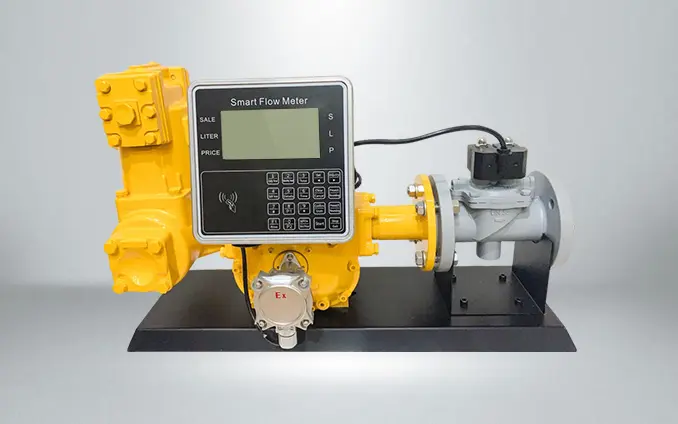
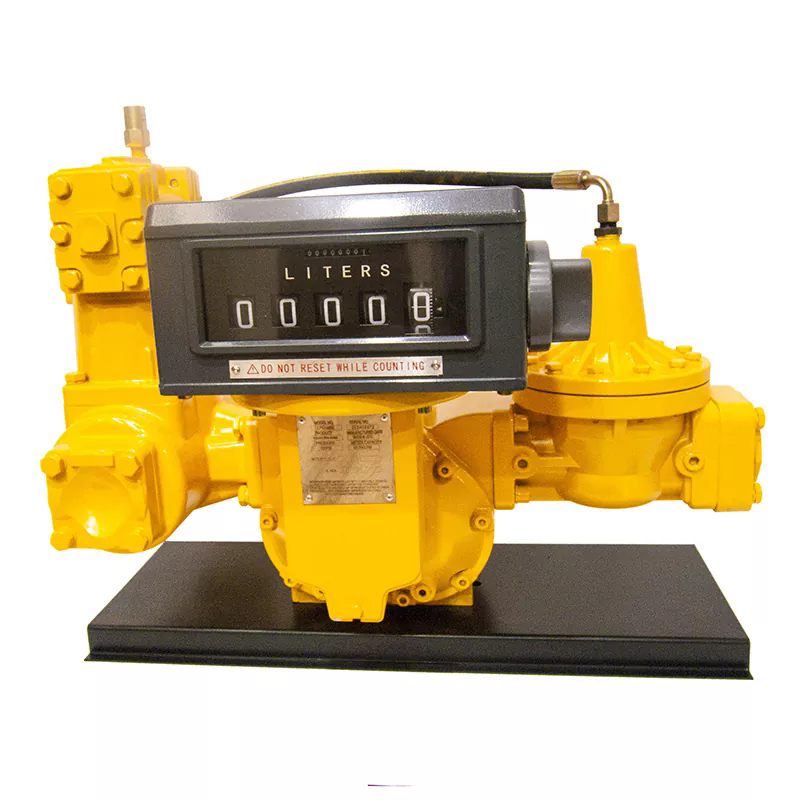
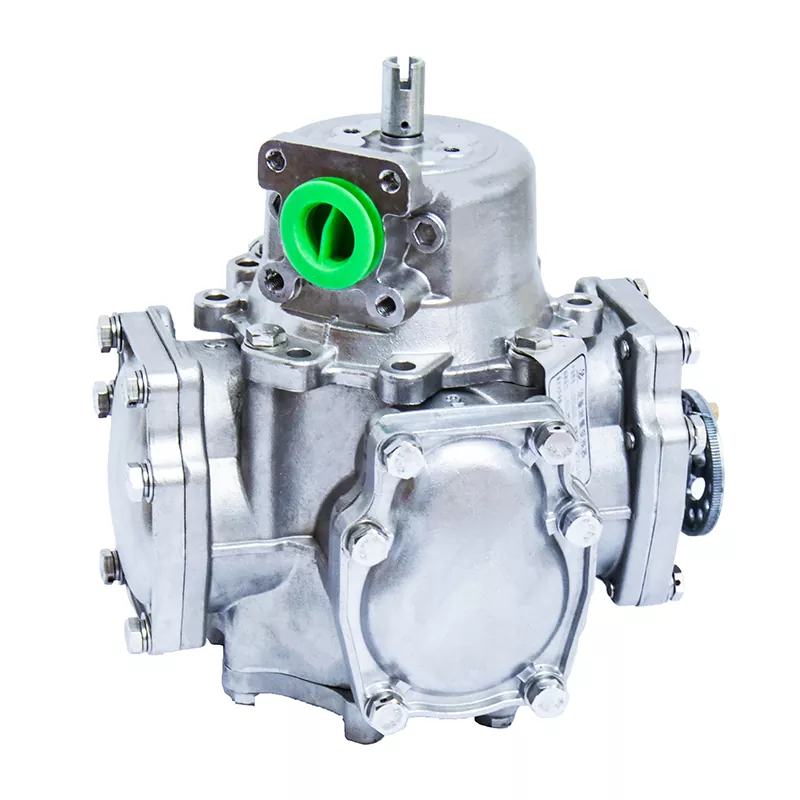
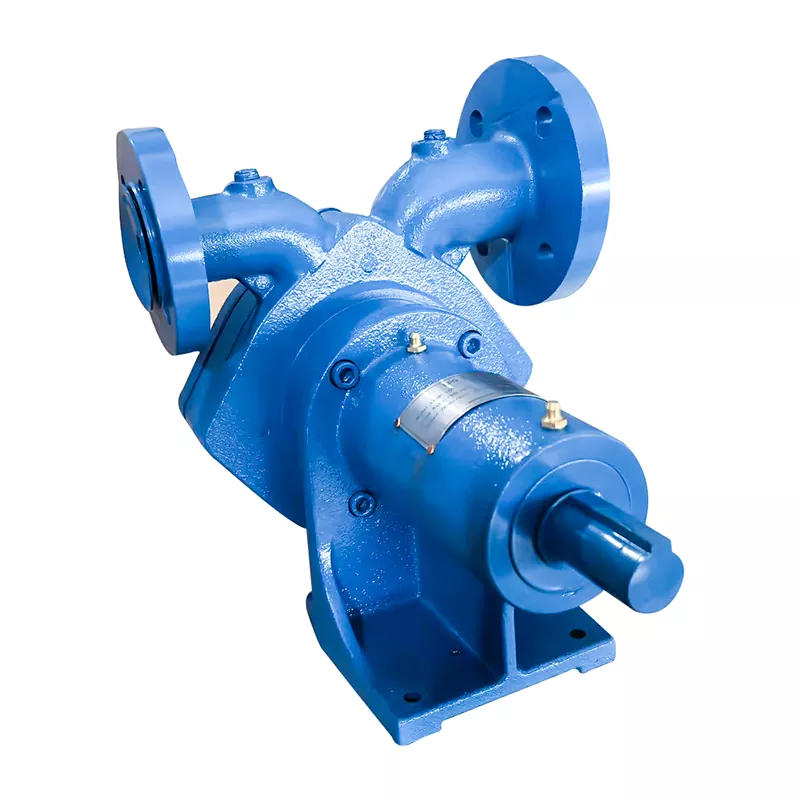
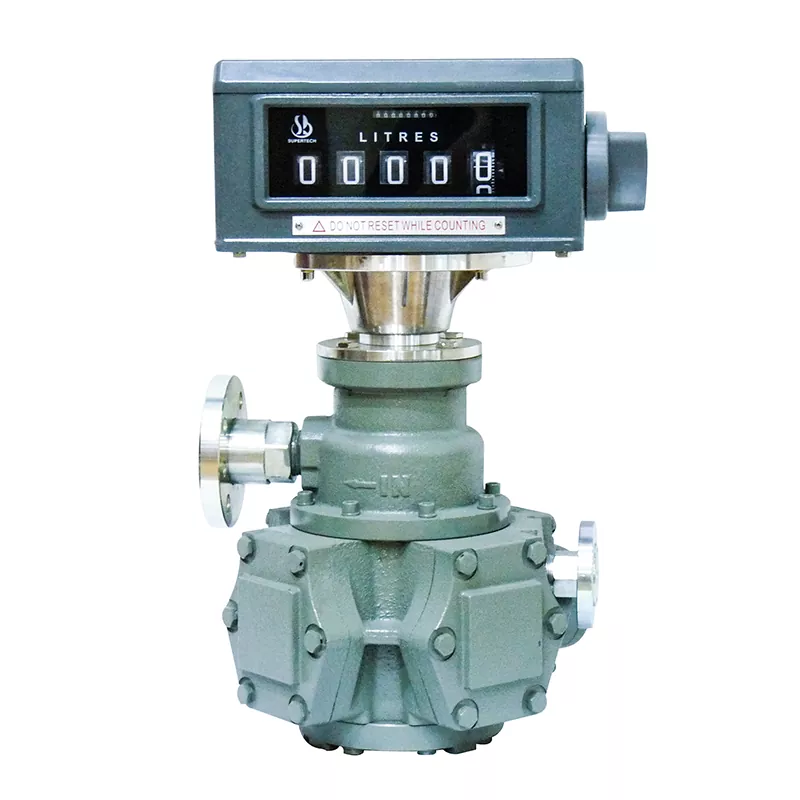
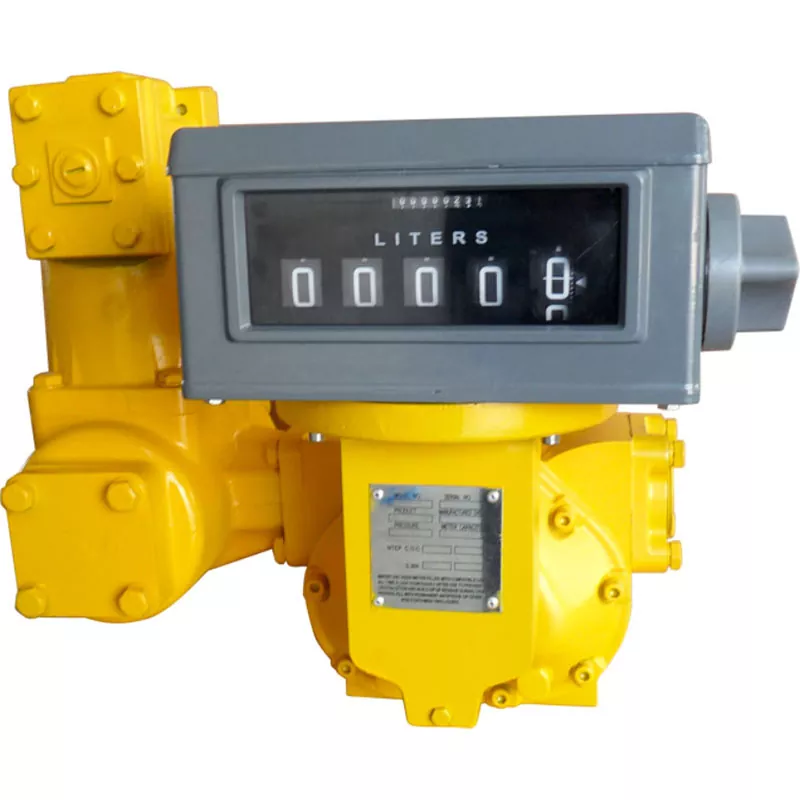
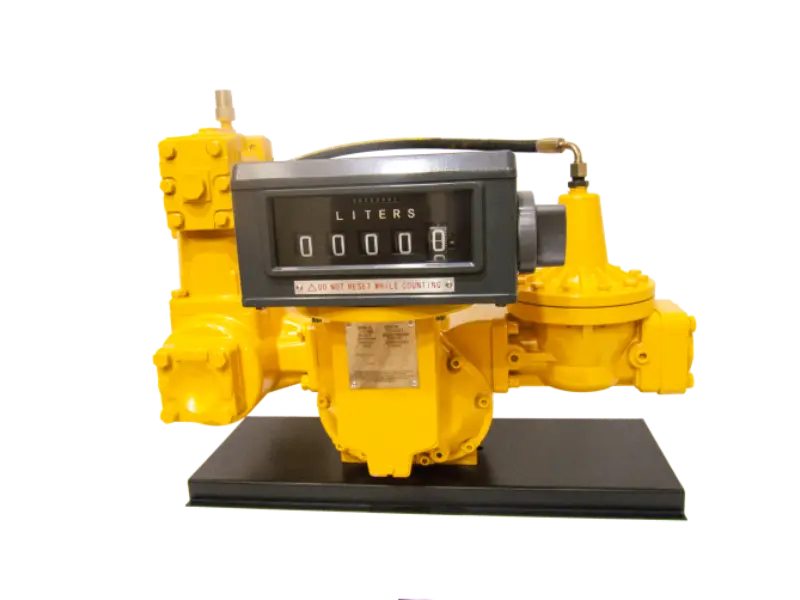
Fuel Flow Counters are precision instruments designed to measure the quantity of fuel flowing through a system. They are widely used in fuel dispensing, transportation, and industrial machinery to monitor fuel usage and ensure accountability. Accurate fuel measurement helps businesses reduce operational costs and prevent fuel theft or leakage.
Working Principle of Fuel Flow Counters
Fuel Flow Counters operate on the principle of measuring the volume of fuel passing through a meter. Depending on the design, they can employ mechanical, electronic, or ultrasonic methods:
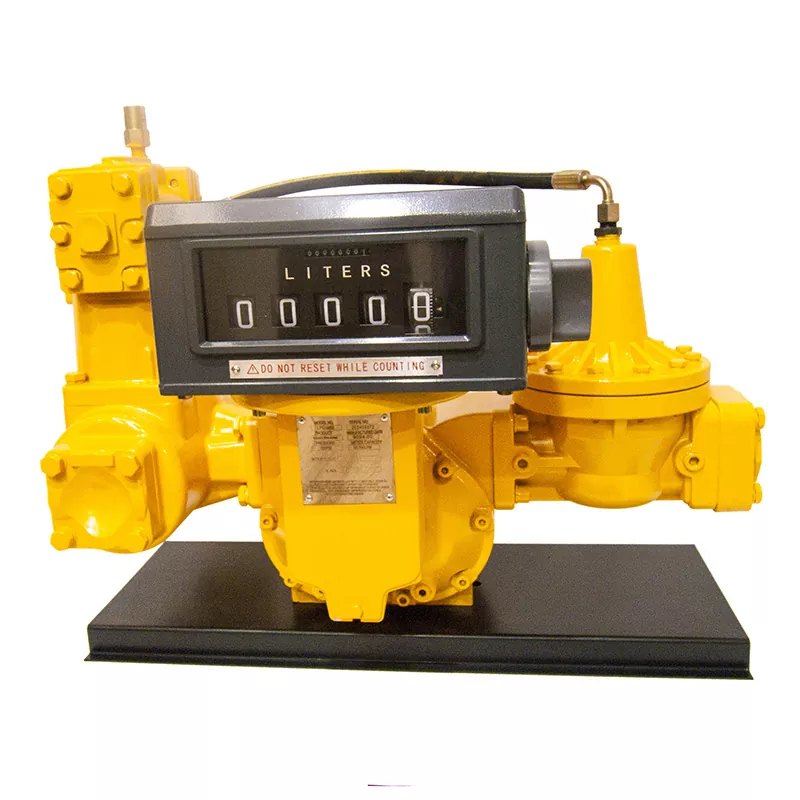
Mechanical Flow Counters: Use rotating gears or pistons to measure flow. Each rotation corresponds to a specific fuel volume.
Electronic Flow Counters: Employ sensors to detect flow and convert signals into digital readings.
Ultrasonic Flow Counters: Measure the speed of fuel via ultrasonic waves, ideal for precise and non-intrusive measurements.
Accurate measurement depends on calibration and proper installation, ensuring minimal errors in readings.
Types of Fuel Flow Counters
Type
Description
Advantages
Positive Displacement Flow Meter
Measures fuel by trapping fixed volumes and counting rotations.
High accuracy, reliable for viscous fuels.
Turbine Flow Meter
Uses a rotor to measure flow velocity and calculate volume.
Suitable for high-flow applications, fast response.
Mass Flow Meter
Measures the mass of fuel directly using Coriolis effect.
Extremely accurate, unaffected by temperature or density changes.
Ultrasonic Flow Meter
Utilizes ultrasonic waves to detect flow velocity.
Non-intrusive, low maintenance, precise for clean fuels.
Applications Across Industries
Fuel Flow Counters are essential in various sectors:
Transportation: Fuel management for trucks, ships, and buses.
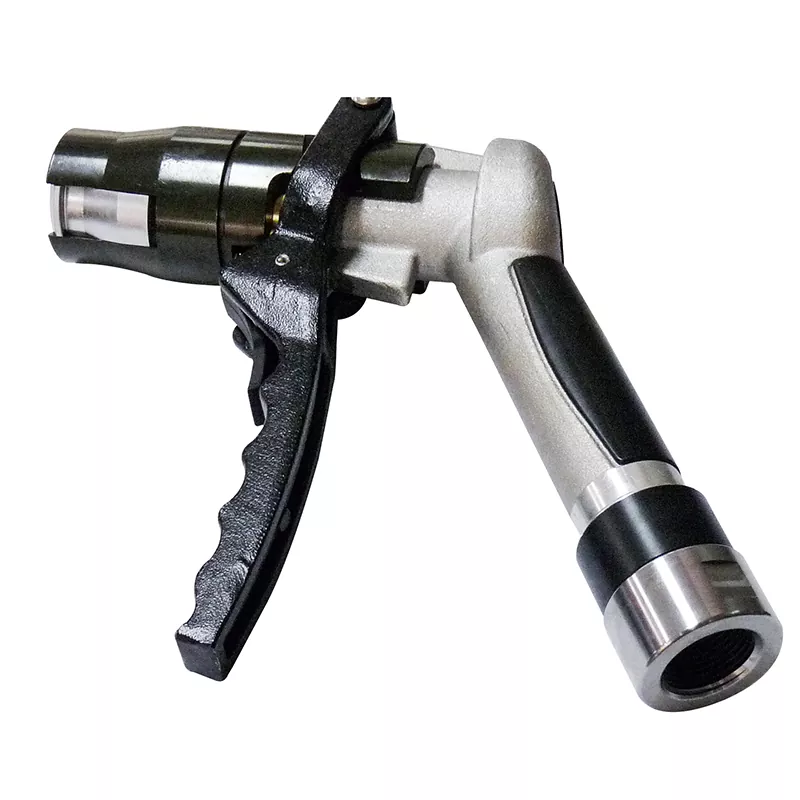
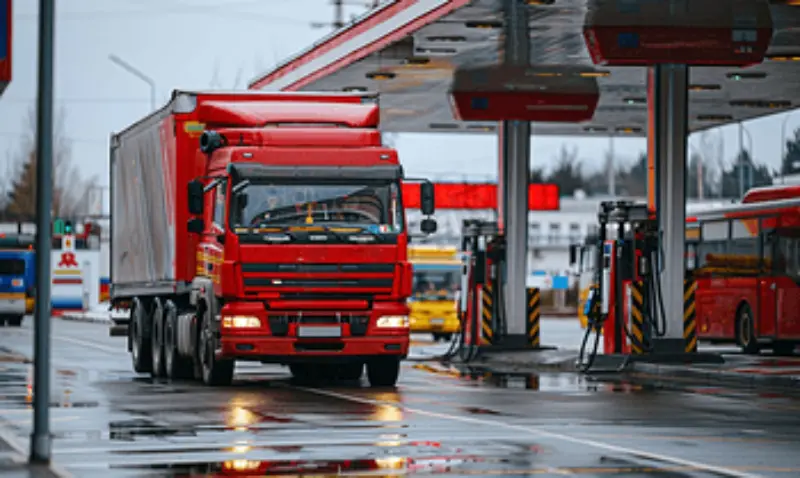
Fuel Dispensing: Accurate dispensing at gas stations and depots.
Industrial Machinery: Monitoring fuel consumption in generators and heavy equipment.
Marine & Aviation: Compliance with safety regulations and precise fuel tracking.
Key Considerations for Choosing a Fuel Flow Counter
Selecting the right Fuel Flow Counter requires careful assessment of:
Fuel Type: Ensure compatibility with diesel, gasoline, or alternative fuels.
Flow Rate: Choose a meter capable of handling the system’s minimum and maximum flow rates.
Accuracy Requirements: Higher precision is essential for billing or regulatory compliance.
Installation Environment: Consider temperature, vibration, and exposure to chemicals.
Maintenance: Choose meters with easy calibration and low maintenance needs.
FAQs
Q1: Can a Fuel Flow Counter prevent fuel theft?
A1: Yes, by providing precise measurements, discrepancies in fuel usage can be detected quickly, reducing the risk of theft.
Q2: How often should a Fuel Flow Counter be calibrated?
A2: Calibration is recommended at least once a year, or according to usage intensity, to maintain accuracy.
Q3: Are electronic flow counters better than mechanical ones?
A3: Electronic counters offer real-time digital readings and integration with monitoring systems, while mechanical counters are simpler and robust. The choice depends on application needs.
Conclusion
Investing in a reliable Fuel Flow Counter from Supertech ensures accurate fuel monitoring, reduces operational costs, and enhances system efficiency. By selecting the right type and maintaining proper calibration, businesses can achieve both compliance and savings. For more information or to request a quote, contact us today.
We use cookies to offer you a better browsing experience, analyze site traffic and personalize content. By using this site, you agree to our use of cookies.
Privacy Policy