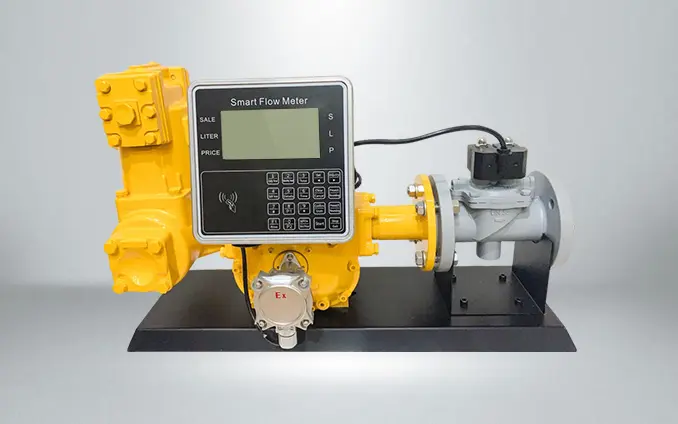
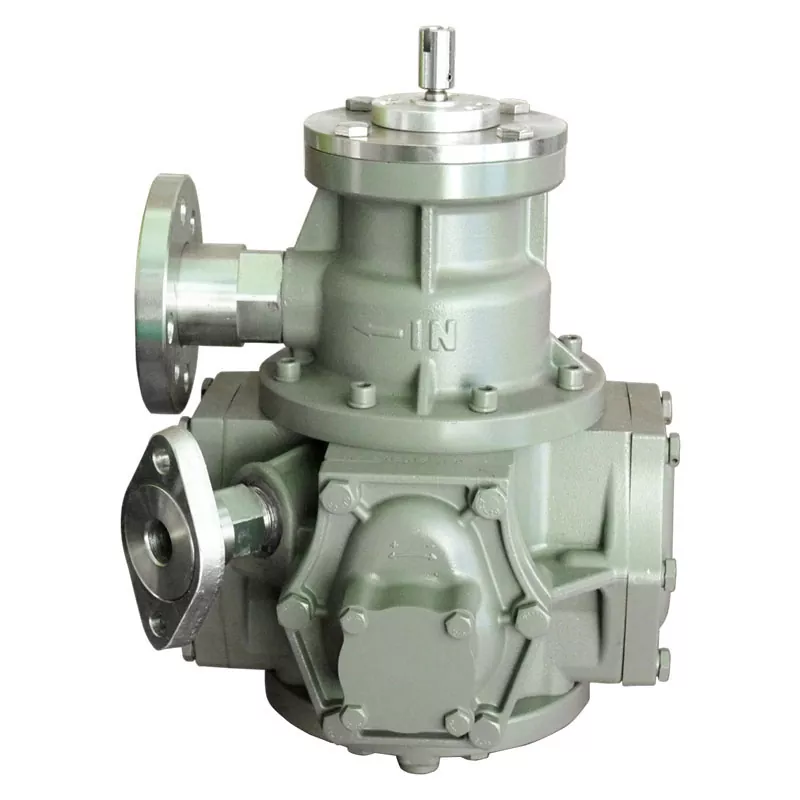
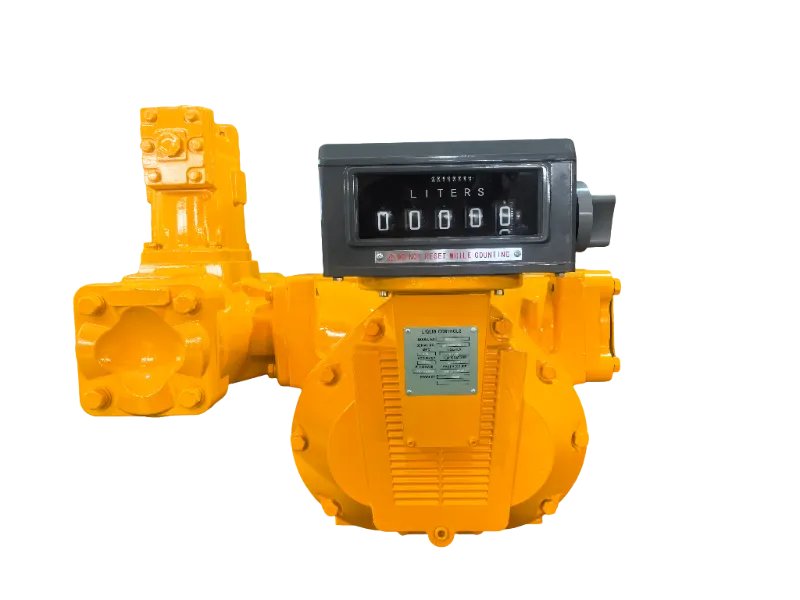
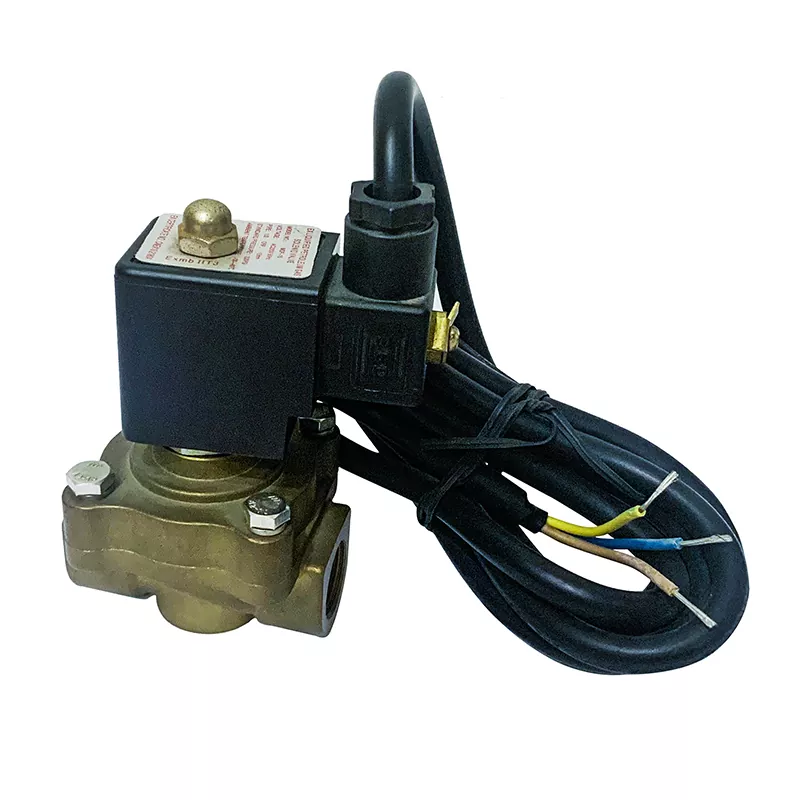
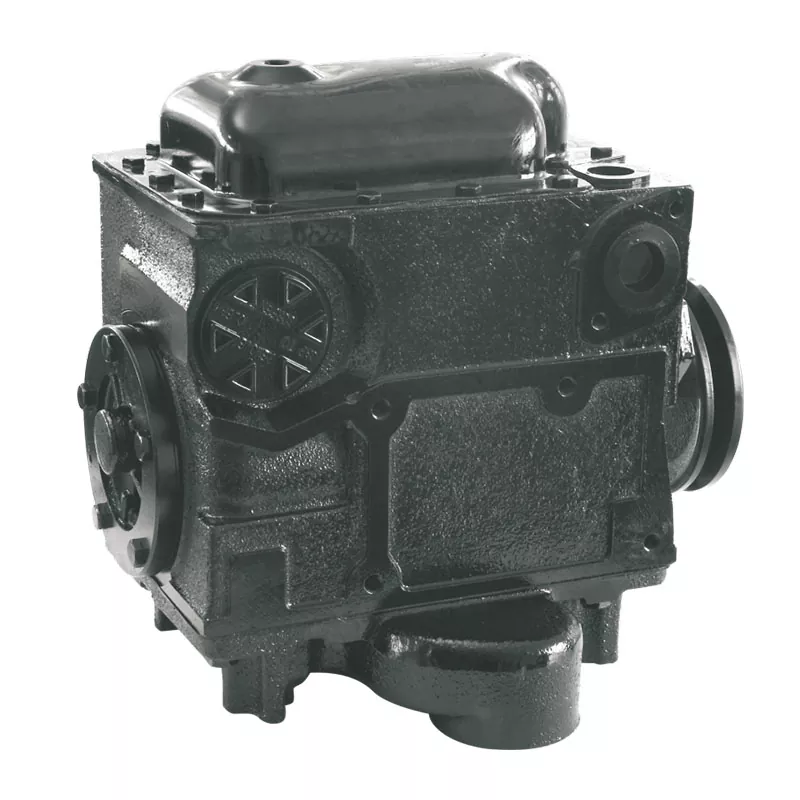
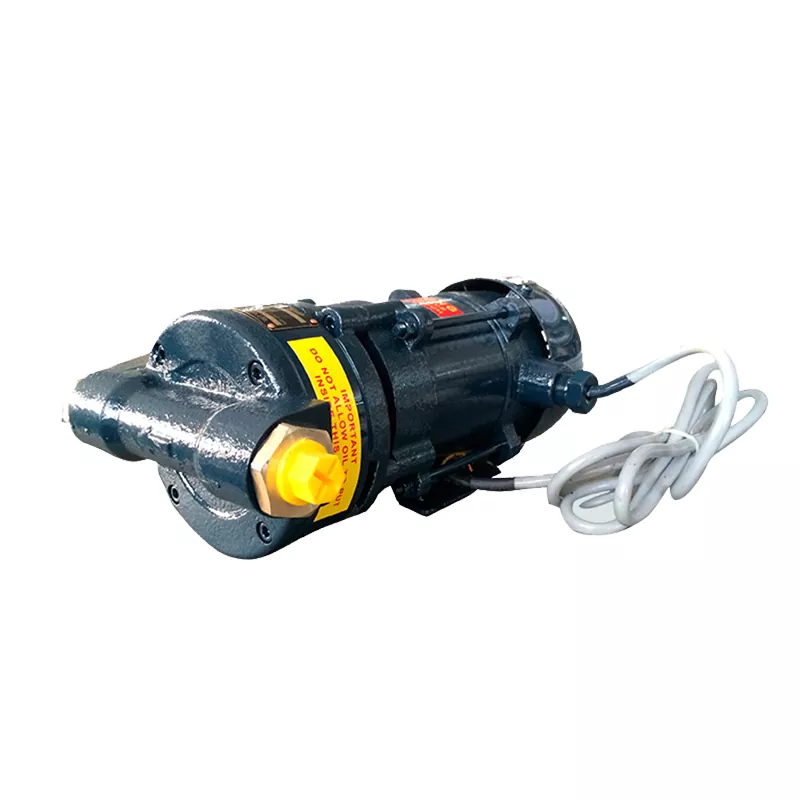
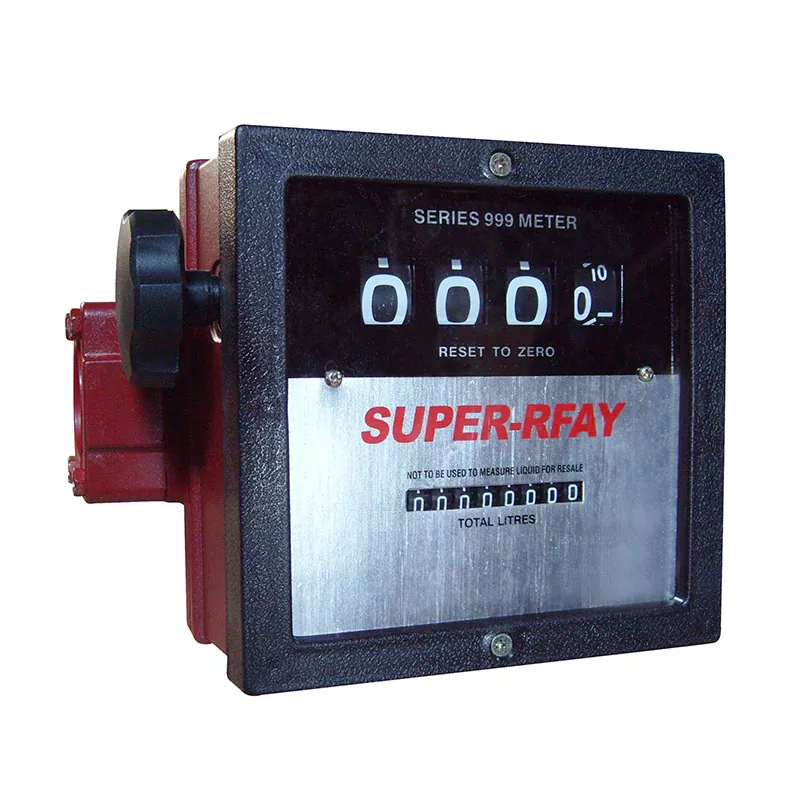
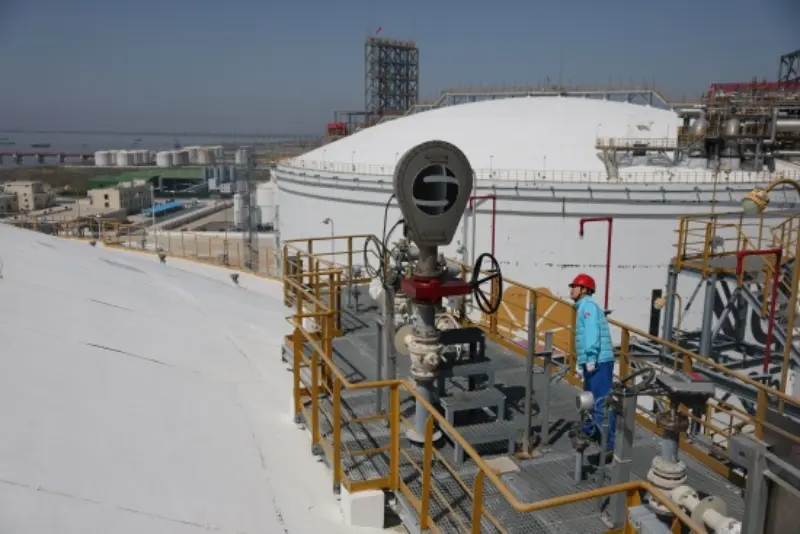
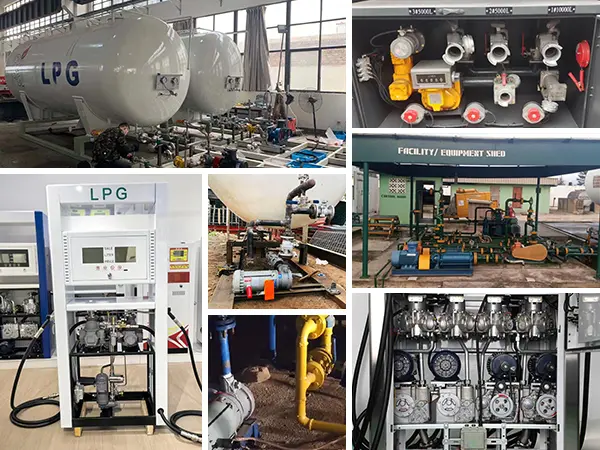
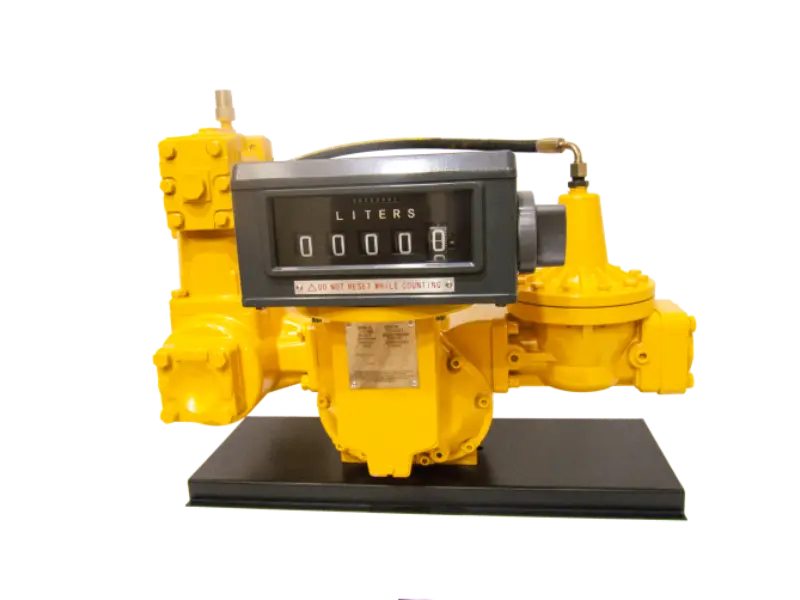
As a core metering device, the oil flow meter undertakes the task of quality monitoring throughout the entire process from oil receiving to dispensing at a gas station. It serves as the "digital heart" of the station, and its accuracy and reliability directly determine the health of the entire industry ecosystem. According to the 2023 report by the China Petroleum and Chemical Industry Federation, the average daily transaction volume at gas stations across the country exceeds 8 million tons, with every 0.1% increase in flow meter error rate potentially resulting in an economic loss of over 230 million RMB per year. By establishing a three-in-one assurance system combining technology, personnel, and institutional management, the compliance rate of gas station metering in China has risen from 81% in 2018 to 99.4% in 2023. However, continued breakthroughs are still needed in areas such as intelligent calibration, blockchain-based certification, and integration of environmental data.
The oil flow meter builds a complete metering data chain by monitoring oil flow rate, density, and temperature in real time. National standard GB/T 9164-2021 explicitly requires that the error of a fuel dispenser be controlled within ±0.3%, and the flow meter, as a fundamental component, must comply with the periodic verification requirements of GB/T 17167-2018.
An abnormal flow meter monitoring system can identify various typical faults in real time, such as sensor drift, seal failure, and electromagnetic interference. When abnormal fluctuations in pressure or flow rate occur, the system will automatically trigger alarms, activate backup equipment, or shut off the fuel nozzle. A multi-level calibration system covers three tiers: factory calibration, periodic calibration, and on-site calibration, ensuring full lifecycle management. Studies have shown that equipping gas stations with intelligent diagnostic systems significantly reduces accident rates and maintenance costs while improving long-term equipment stability.
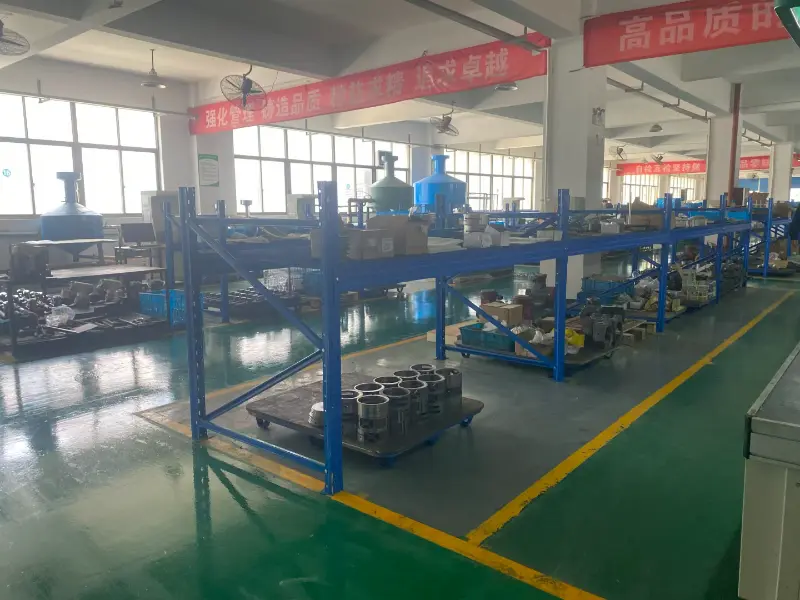
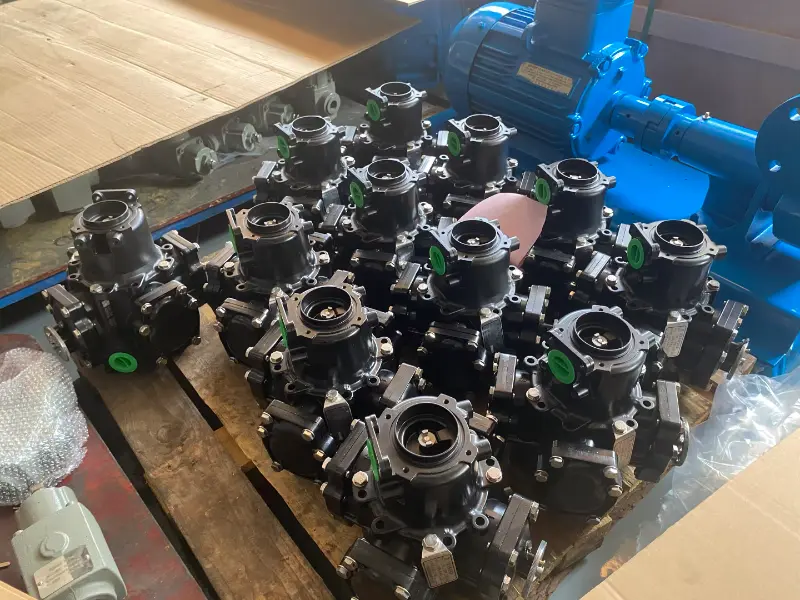
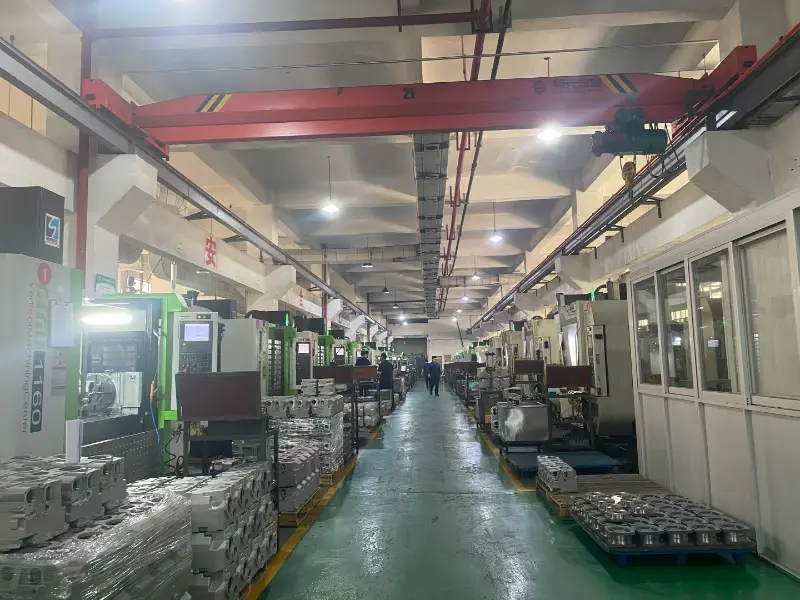
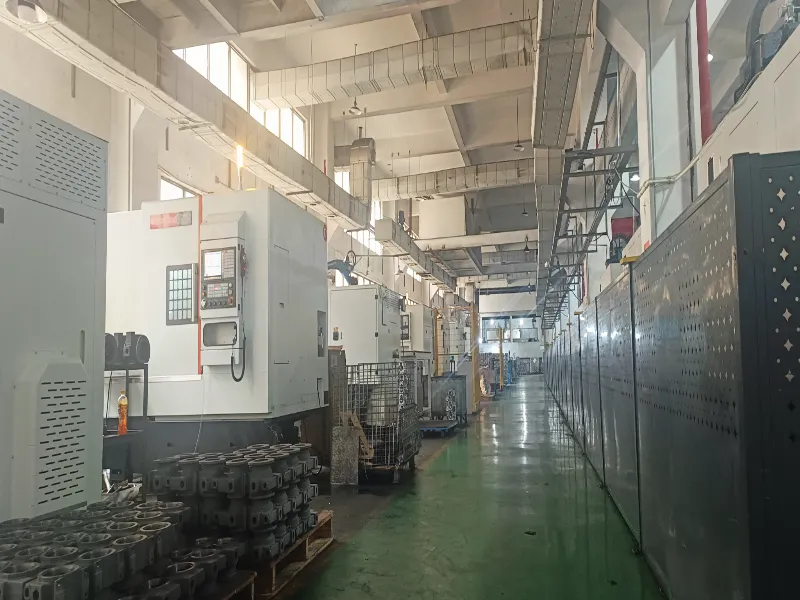
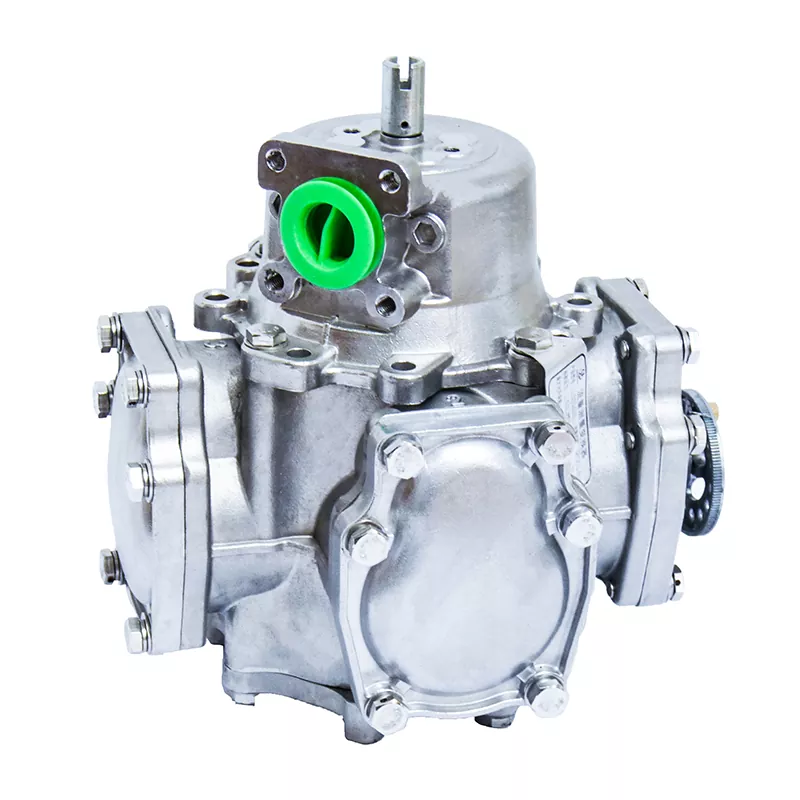
Our company has been engaged in the manufacturing of flow meter equipment for over 14 years. Taking the FM5B flow meter as an example, this product uses a piston-linkage structure to achieve an accurate displacement of 0.5 liters per cycle. After 100 hours of continuous operation at maximum flow rate, both its metering accuracy and repeatability error remain within ±0.1%, and the maximum error for the smallest measured quantity is controlled within ±0.3%. This fully demonstrates our technical expertise and manufacturing strength in the field of high-precision metering.
We use cookies to offer you a better browsing experience, analyze site traffic and personalize content. By using this site, you agree to our use of cookies.
Privacy Policy