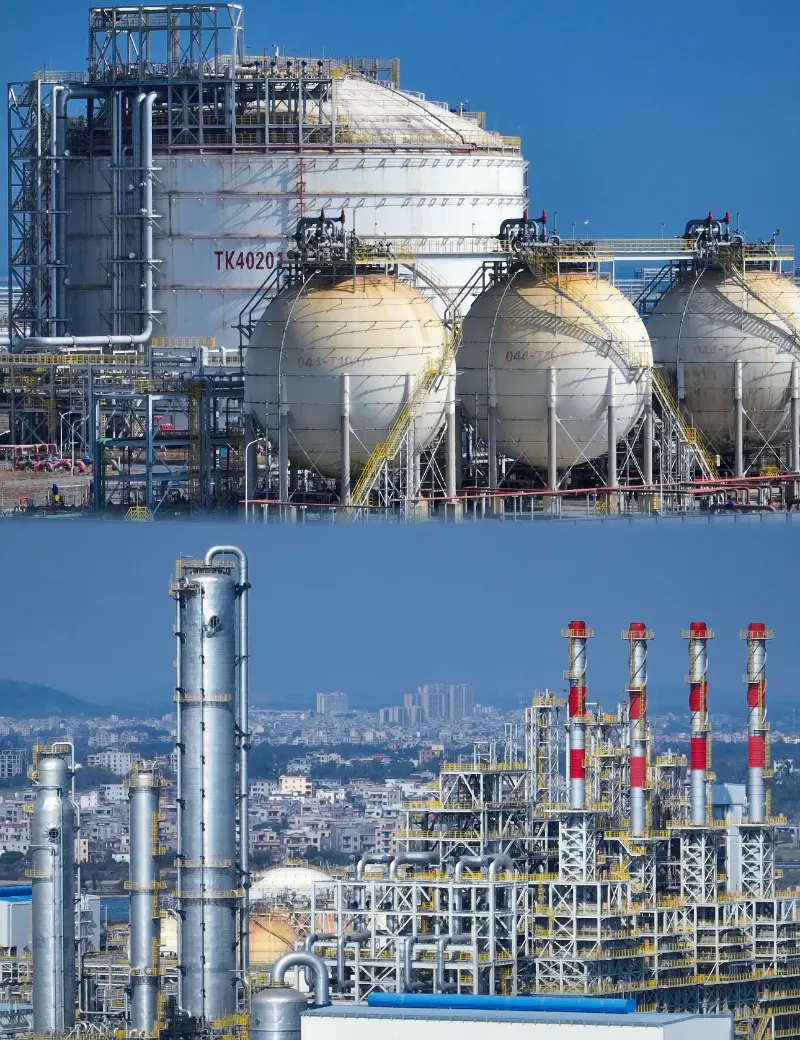
As the Middle East conflict disrupts global oil and gas supplies and drives up prices, countries are seeking fossil fuel alternatives to enhance energy security while pursuing decarbonization targets, and demand for biofuels is rising.More than 90% of the world's biofuels are produced from food crops, primarily corn grown in the United States; sugarcane grown in Brazil is the second largest source, followed by oil crops such as palm oil, soybean oil, and rapeseed oil, while used cooking oil and animal fats account for about 12%.
Asia buys approximately 80% of the oil transported through the Strait of Hormuz, and with the strait currently blocked, Asian countries have been seeking to increase biofuel use since the conflict began. Reuters reports that due to soaring energy prices, Vietnam has moved up its full transition to ethanol-blended gasoline from June to April; Indonesia has raised its mandatory palm oil-based biodiesel blend from 40% to 50%; U.S. refineries are required to blend record volumes of biofuels this year; and the Brazilian government plans to increase its ethanol blend from 30% to 32% by the end of June.
Biofuels can enhance energy security by reducing dependence on imports and help meet emission reduction targets. The industry supports economic development and job creation, particularly in rural areas, while utilizing agricultural residues and organic waste — both of which are abundant in India. The bioenergy model promotes circular economy practices and social inclusion. Ethanol and compressed biogas are leading growth in India, and the International Energy Agency states that under supportive policies, biofuel production, including biodiesel, could double by 2030. Since 2018, ethanol consumption in India has grown from less than 2 billion liters to over 11 billion liters.
Global liquid biofuel production has increased sevenfold over the past two decades, driven primarily by policies in the United States, Brazil, and the European Union, while consumption in Colombia, Argentina, Malaysia, and Thailand is also expected to grow.Growth is shifting from first-generation biofuels to technologies such as cellulosic ethanol and advanced biodiesel. These projects use non-food biomass, including agricultural residues, forestry waste, and municipal solid waste, achieving more sustainable practices without compromising food supply. Emerging options include algae-based biofuels such as biodiesel, bioethanol, and jet fuel, which are produced by photosynthetic microorganisms and can utilize wastewater, as well as bio-hydrogen produced from water primarily through biological or electrochemical processes.
Biomethanol is produced from biomass through low-intensity harvesting and improves fuel efficiency when blended with gasoline or used in fuel cells, while fourth-generation bio-based synthetic fuels use engineered microorganisms to convert carbon dioxide and organic waste into liquid fuels.
We use cookies to offer you a better browsing experience, analyze site traffic and personalize content. By using this site, you agree to our use of cookies.
Privacy Policy