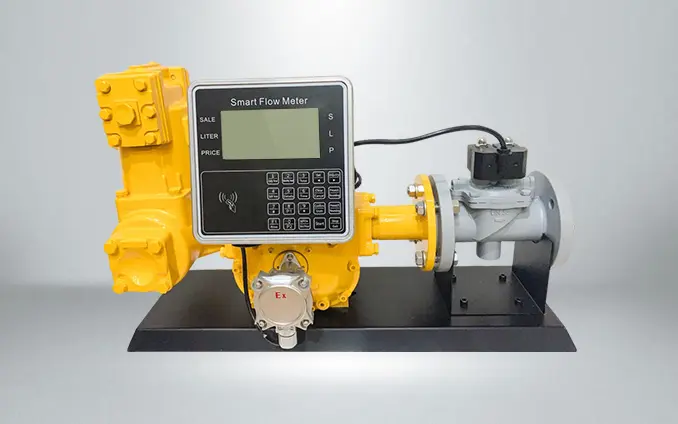
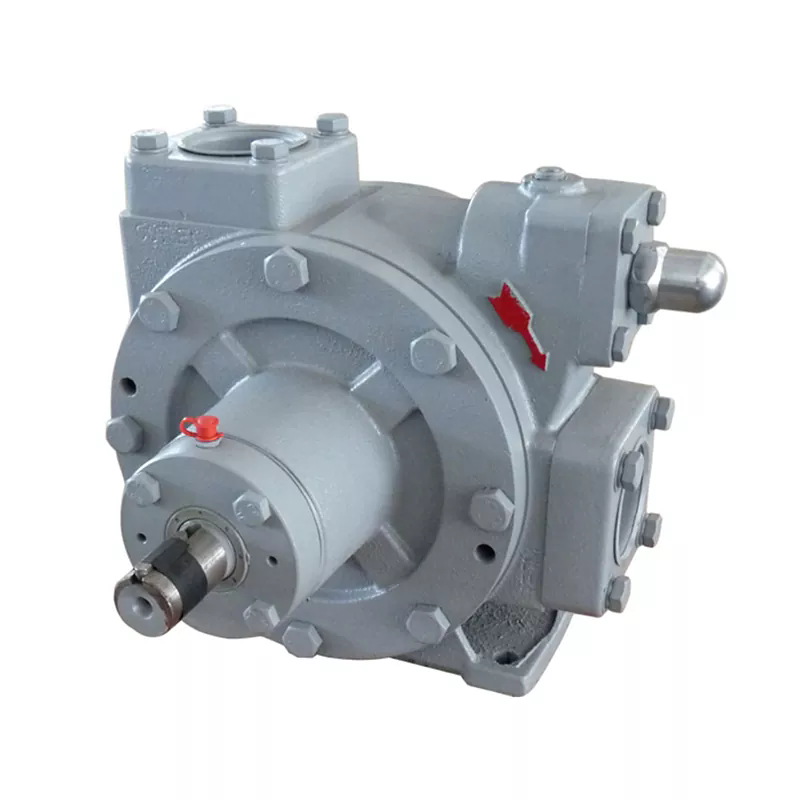
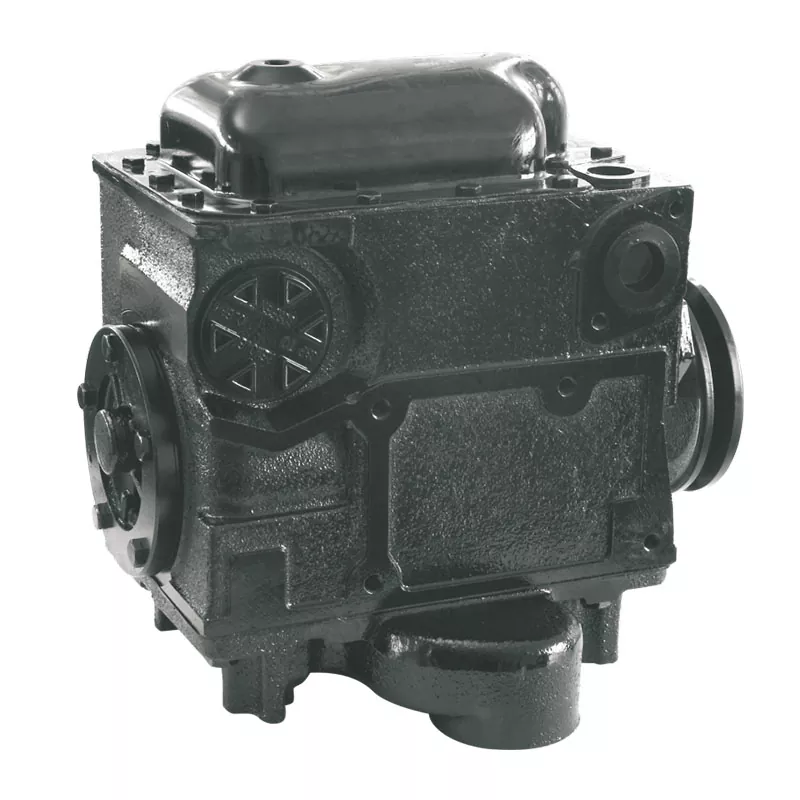
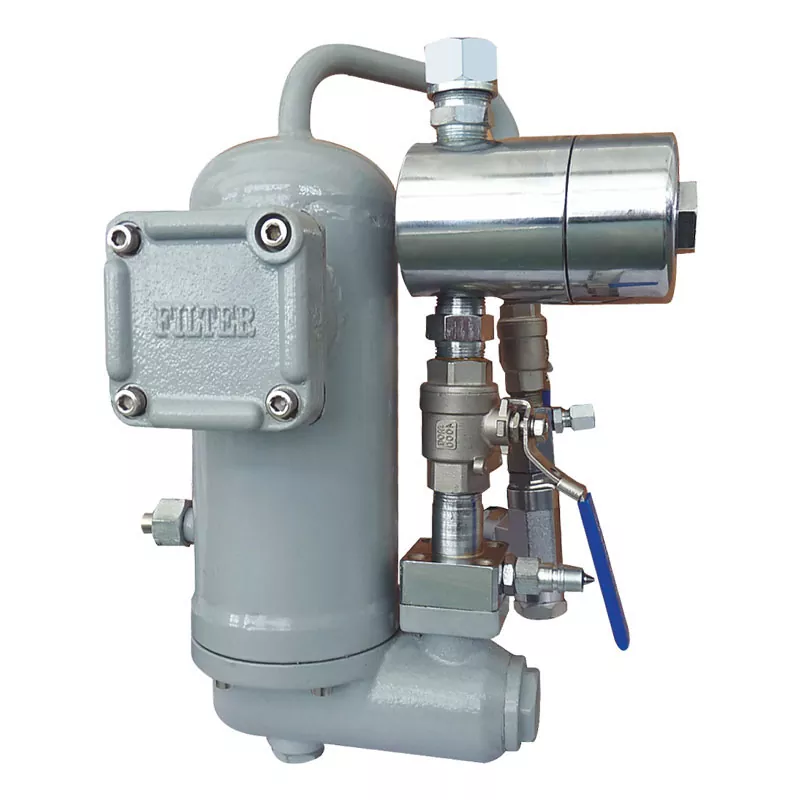
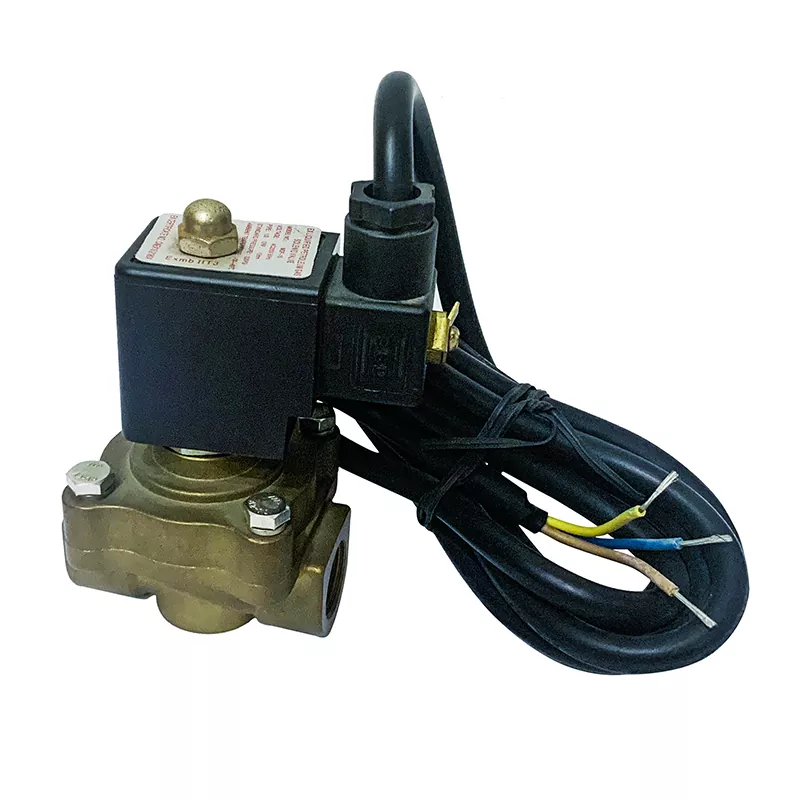
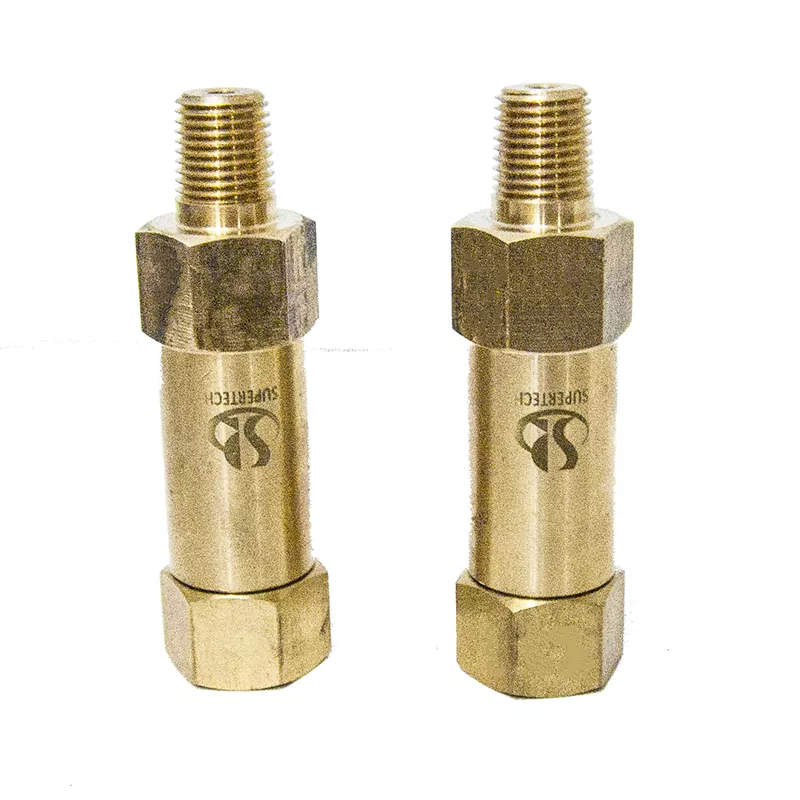
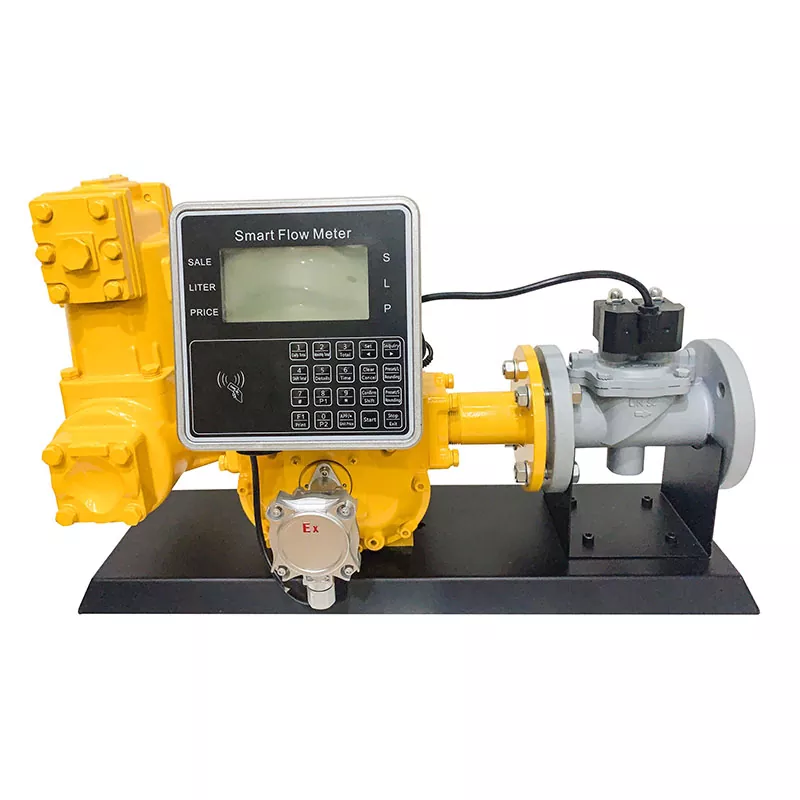
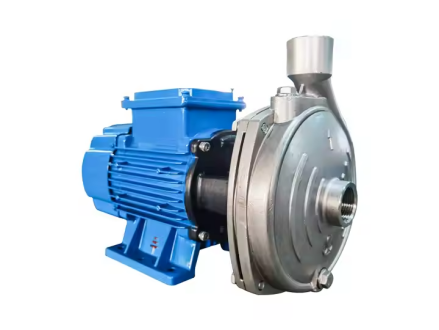
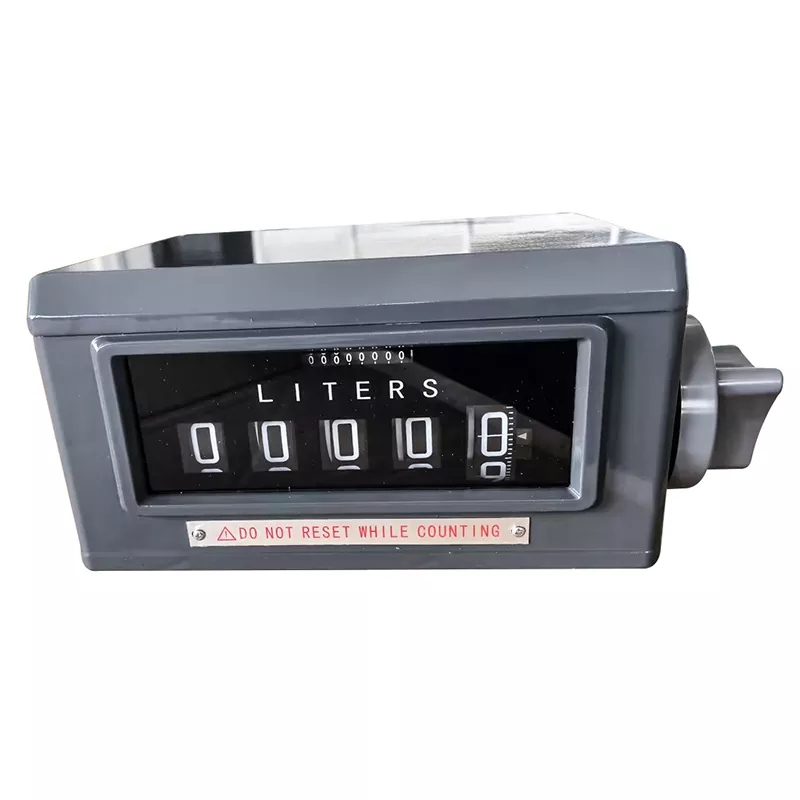
An LPG Vane Pump is a critical component in liquefied petroleum gas transfer systems, widely used in storage terminals, fillinges common operational challenges faced by buyers and operators, and provides practical guidance on selection, performance, safety, and maintenance. The content is structured to support informed decision-making for engineers, procurement managers, and system integrators seeking reliable LPG pumping solutions. stations, cylinder filling plants, and industrial fuel supply lines. This article explains how an LPG Vane Pump works, address
Explanation of internal structure and operating logic
Analysis of real-world operational challenges
Performance and safety advantages
Application environments and system integration
Selection guidance and parameter comparison
Maintenance practices and service life optimization
Working Principle of an LPG Vane Pump
An LPG Vane Pump operates on the principle of positive displacement. Inside the pump housing, a rotor is mounted eccentrically and fitted with multiple sliding vanes. As the rotor turns, centrifugal force and internal pressure push the vanes outward, forming sealed chambers between the vanes, rotor, and casing.
When LPG enters the suction port, the expanding chamber volume draws liquid gas into the pump. As the rotor continues to rotate, the chamber volume decreases, forcing the LPG toward the discharge port at a stable and controlled pressure. This mechanism ensures consistent flow, minimal pulsation, and reliable transfer of liquefied petroleum gas under varying operating conditions.
Common Customer Pain Points
Users sourcing LPG Vane Pumps often encounter recurring technical and operational challenges. Understanding these issues helps avoid costly downtime and safety risks.
Insufficient suction performance leading to vapor lock
Seal leakage caused by incompatible materials
Unstable flow rates during continuous operation
Premature wear due to poor lubrication or impurities
Difficulty matching pump specifications to system pressure
A properly engineered LPG Vane Pump addresses these concerns through optimized vane design, precise machining tolerances, and material compatibility with LPG properties.
Key Advantages of LPG Vane Pump Technology
Compared with other pump types, LPG Vane Pumps offer distinct benefits in liquefied gas handling applications.
Strong self-priming capability for reliable startup
Smooth and continuous flow with low vibration
High volumetric efficiency at low and medium speeds
Compact structure suitable for skid-mounted systems
Enhanced safety when handling volatile LPG media
These advantages make vane pumps particularly suitable for LPG transfer where flow stability and safety compliance are essential.
Typical Application Scenarios
LPG Vane Pumps are used across multiple industries where liquefied petroleum gas must be transferred or pressurized safely.
LPG storage and distribution terminals
Bulk LPG tanker loading and unloading
Cylinder filling and bottling plants
Industrial fuel supply systems
Autogas refueling stations
In each scenario, the pump must maintain liquid-phase LPG while preventing cavitation and excessive temperature rise.
How to Select the Right LPG Vane Pump
Selecting an appropriate LPG Vane Pump requires a systematic evaluation of operating conditions rather than relying on flow rate alone.
Required flow capacity and differential pressure
LPG composition and operating temperature
Installation layout and available suction head
Motor type and explosion-proof requirements
Compliance with regional safety standards
Careful selection ensures long service life, stable performance, and reduced operational risk.
Core Technical Parameters
Parameter
Typical Range
Description
Flow Rate
5 – 100 m³/h
Volume of LPG transferred per hour
Working Pressure
0.6 – 2.5 MPa
Maximum allowable discharge pressure
Speed
400 – 800 rpm
Optimized for liquid LPG handling
Material
Carbon steel / ductile iron
Compatible with LPG chemical properties
Seal Type
Mechanical seal
Prevents leakage and ensures safety
Operation and Maintenance Considerations
Proper operation and routine maintenance significantly extend the lifespan of an LPG Vane Pump.
Ensure adequate suction pressure to avoid cavitation
Regularly inspect vanes for wear and deformation
Maintain clean LPG supply to reduce internal abrasion
Check seals and bearings during scheduled shutdowns
Avoid dry running during startup or system testing
Following these practices minimizes unplanned downtime and maintains consistent system performance.
Frequently Asked Questions
Is an LPG vane pump suitable for continuous operation?
Yes. When properly selected and installed, an LPG Vane Pump is well suited for continuous-duty applications, offering stable flow and reliable thermal performance.
How does an LPG vane pump prevent vapor lock?
The positive displacement design and strong self-priming capability help maintain liquid-phase LPG, reducing the risk of vapor formation within the pump chamber.
What safety features are important for LPG vane pumps?
Key safety features include pressure relief valves, explosion-proof motors, reliable mechanical seals, and materials compatible with LPG properties.
Conclusion and Business Contact
Understanding how an LPG Vane Pump works is essential for selecting the right equipment, improving operational safety, and ensuring long-term system reliability. With proper design, installation, and maintenance, vane pump technology remains a dependable solution for LPG transfer applications across multiple industries.
Wenzhou supertech machine Co., Ltd. provides engineered LPG Vane Pump solutions designed to meet demanding industrial requirements. For customized specifications, technical consultation, or project support, contact us today to discuss how the right LPG pumping system can improve your operation.
We use cookies to offer you a better browsing experience, analyze site traffic and personalize content. By using this site, you agree to our use of cookies.
Privacy Policy