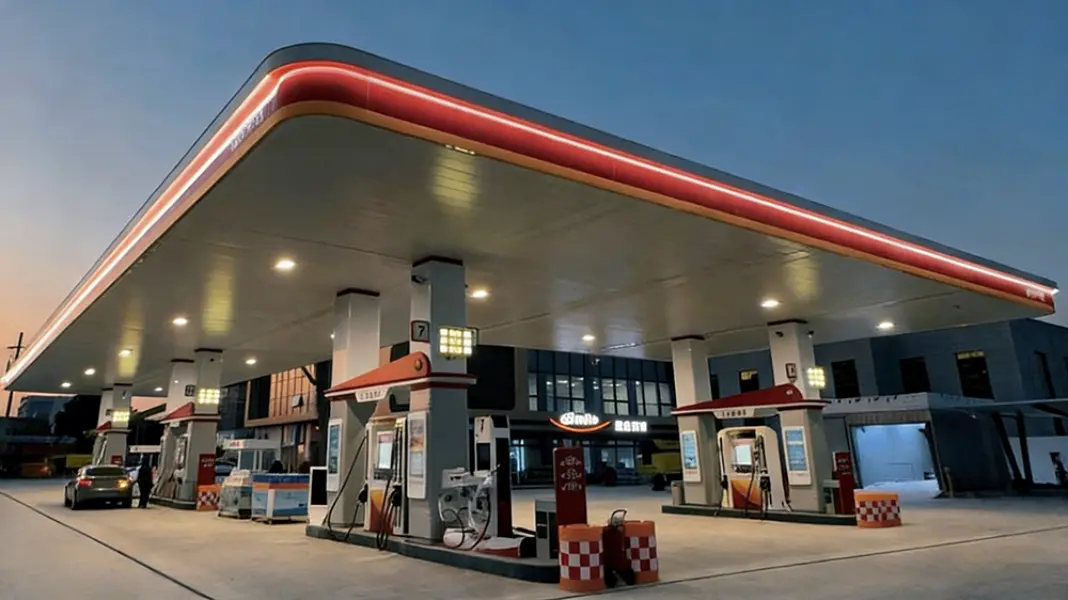
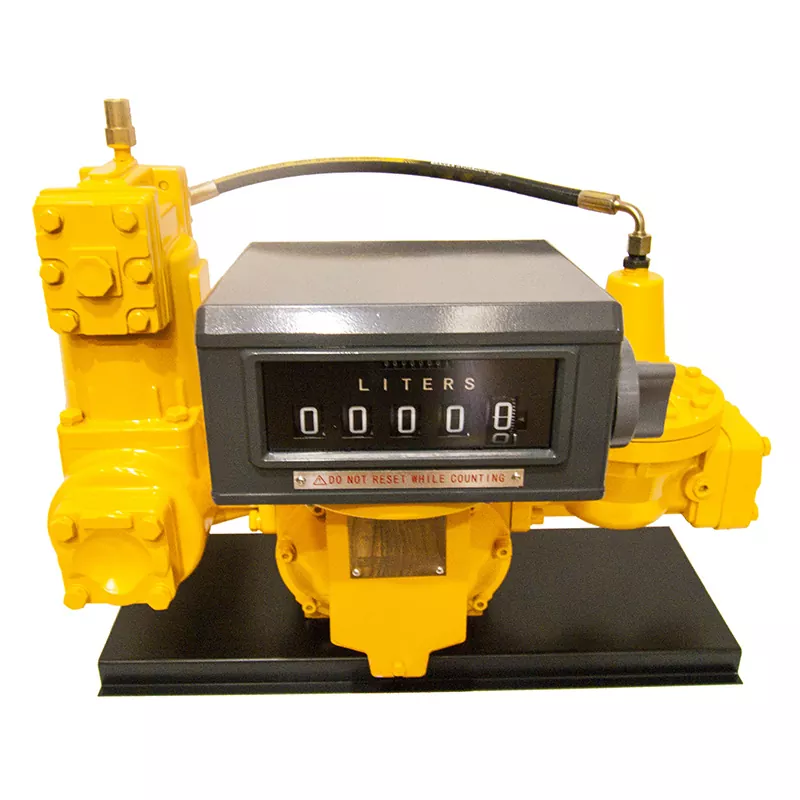
As the new energy revolution and consumption upgrades continue to deepen, a quiet yet profound equipment revolution centered on "smart upgrades and integrated services" is unfolding within China's gas station industry. From coastal expressways to western national highways, multiple energy enterprises have recently intensified procurement, testing, and deployment of a new generation of intelligent equipment to address increasingly diverse market demands.
The core of enhancing efficiency and experience
Intelligence has become the most prominent hallmark of the current upgrading of gas station equipment, aiming to address two major pain points: efficiency and user experience.
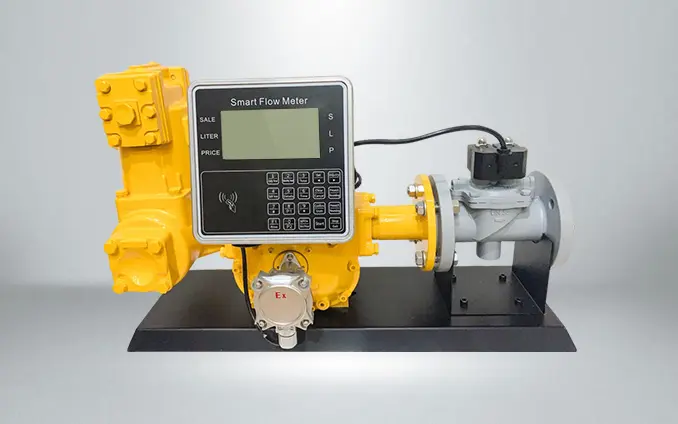
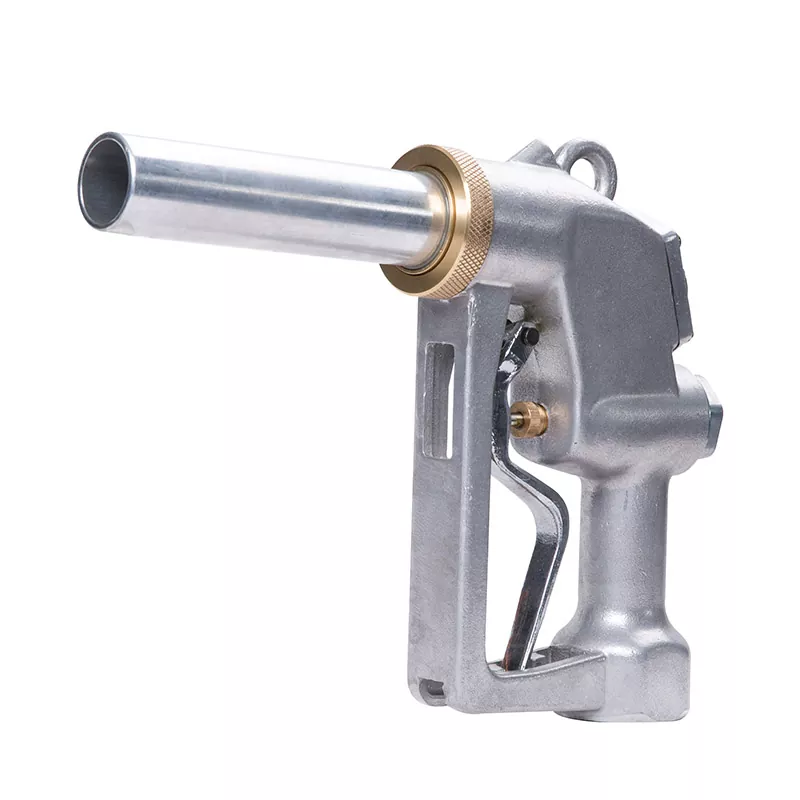
Traditional manual measurement and verification processes are time-consuming and labor-intensive. The fifth-generation multifunctional smart integrated machine developed by Zhejiang Expressway Petroleum Technology Branch has reduced inspection time by 50%. Some enterprises have begun procuring a new generation of smart fuel dispensers, designed to be equipped with multiple payment systems.
This trend of intelligentization is spreading from large conglomerates to a broader range of market participants. Sinochem Petroleum recently completed a round of fuel dispenser procurement for its gas stations in Sichuan, while Sinopec has launched a large-scale fuel dispenser renovation project at a highway service station in Wenling, Zhejiang.
From single fuel to an integrated energy island
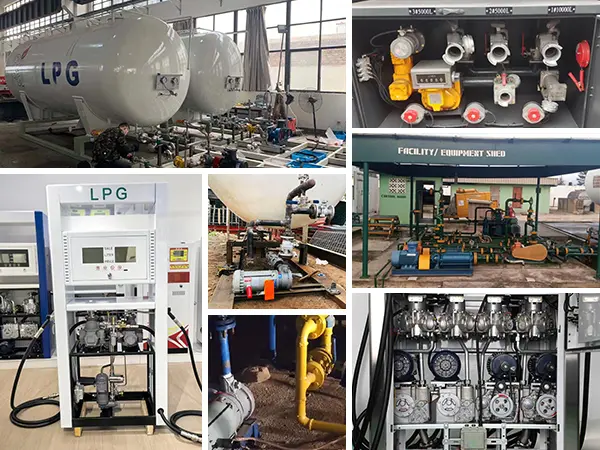
The upgrade extends beyond traditional fuel equipment. To serve long-distance trucks, the Zhongzi Service Area gas station on the Guang-Shan Expressway, through a public tender, procured a complete set of LNG refueling equipment for 3.52 million yuan and is transforming into an "oil-gas co-construction station."
This is not an isolated case. The R&D team of Zhejiang Expressway Petroleum has set its sights on the "future of integrated energy services" and, in collaboration with ecosystem partners, developed the "Intelligent Virtual Expansion Pile."
This type of integrated energy station, combining "oil, gas, electricity, hydrogen, and services," is becoming the standard model for leading industry players as they plan for the future. Each equipment procurement represents a step toward this ultimate form.
Building a rigid bottom line for development.
While pursuing efficiency and diversification, safety and environmental protection remain the unshakable bottom line of equipment upgrades. Especially under extreme weather conditions, the stability and reliability of equipment are of paramount importance.
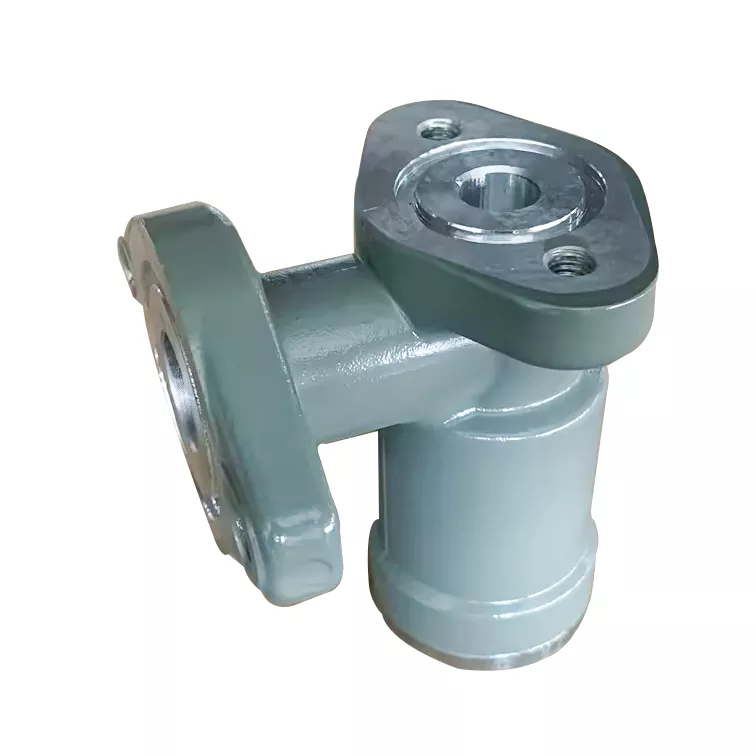
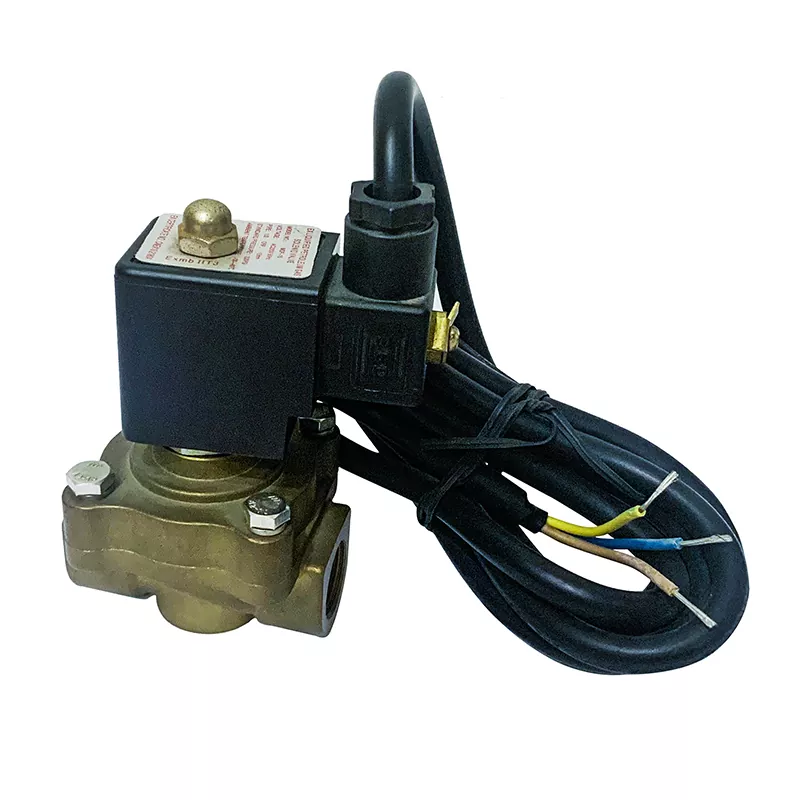
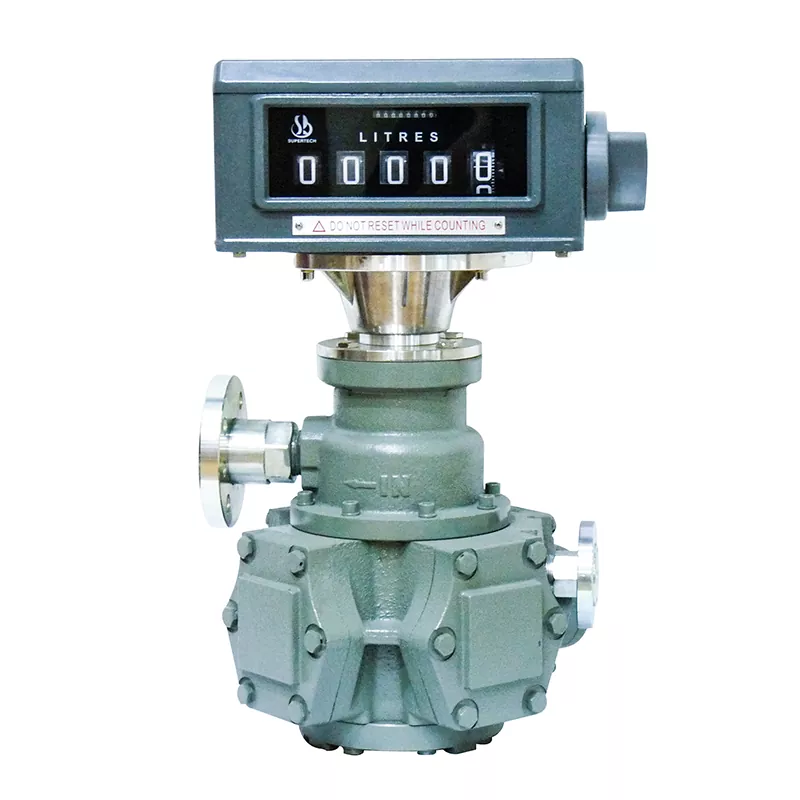
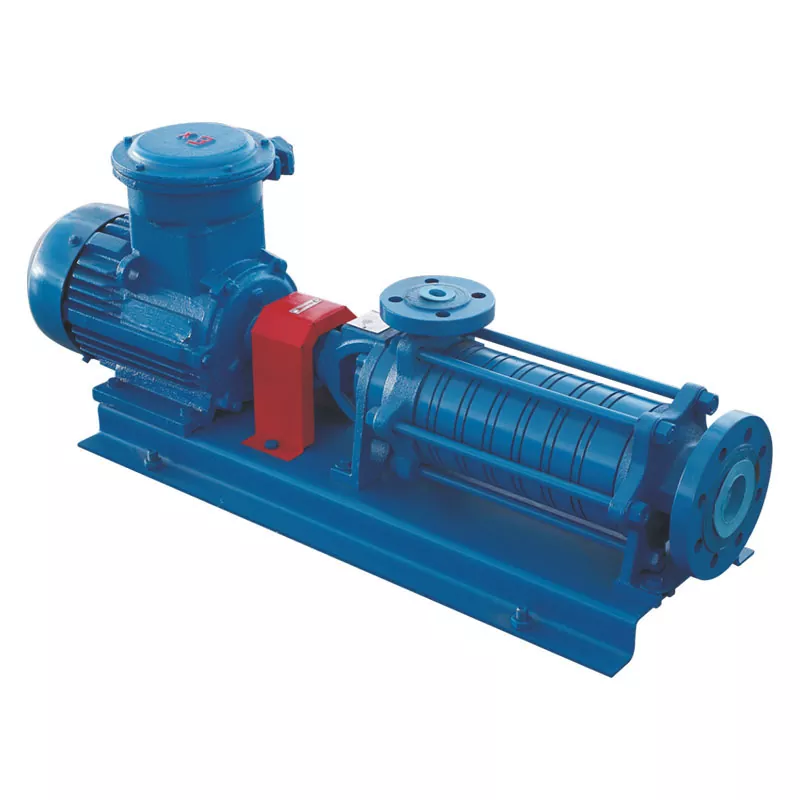
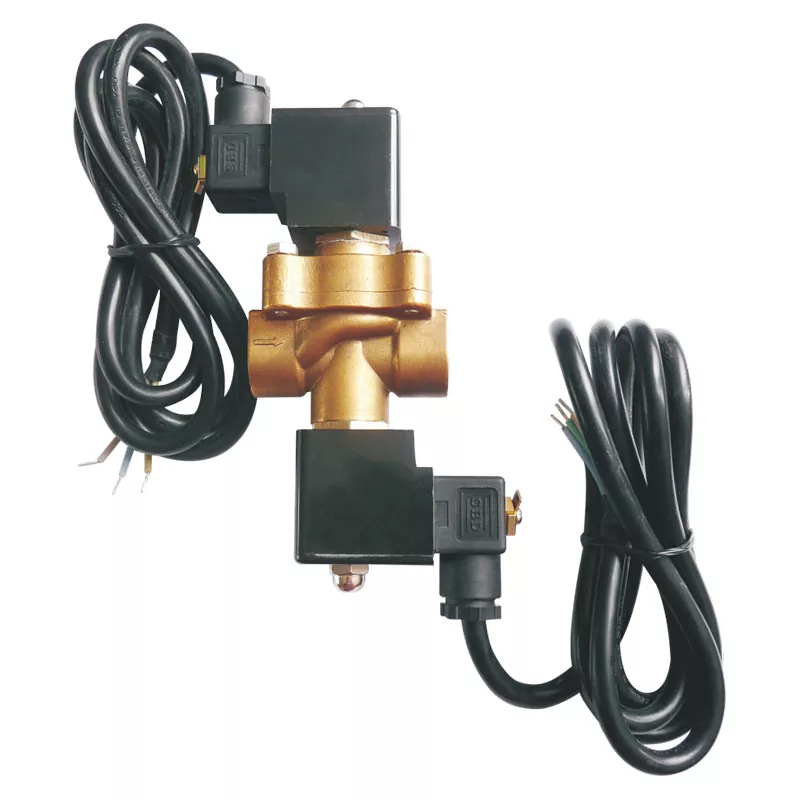
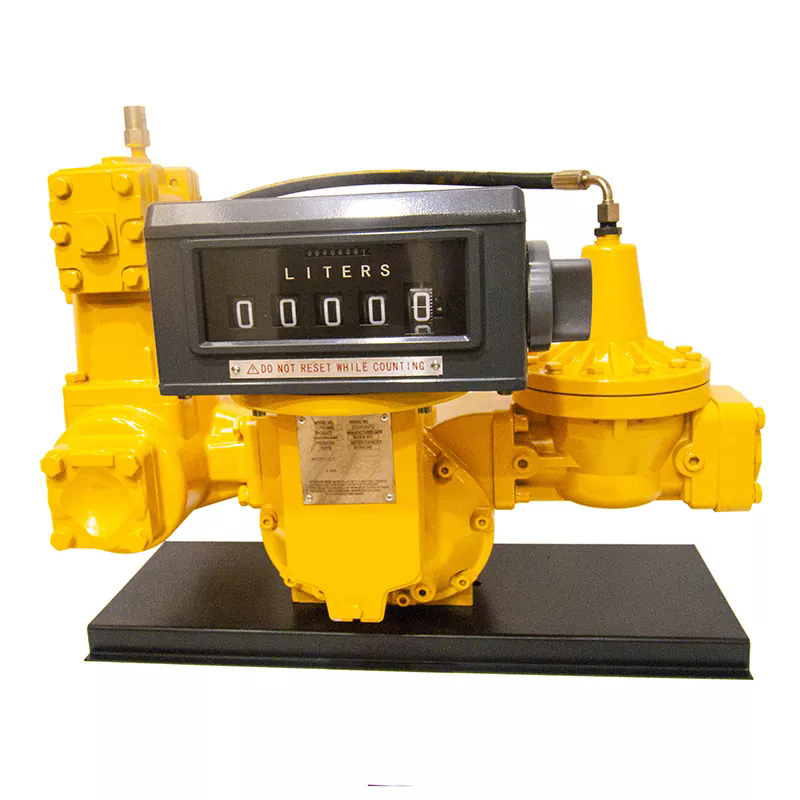
The recent low-temperature freezing rain and snow weather across multiple regions nationwide have tested the cold resistance of gas station equipment. Sinopec Xinhua Company activated emergency response plans, conducting anti-freezing adjustments and comprehensive inspections of core components such as pipeline valves, internal pump bodies, and metering units of fuel dispensers to ensure smooth fuel delivery.
In terms of environmental protection, technological iteration directly generates economic benefits. Zhejiang Expressway Petroleum optimized its core vapor recovery devices by improving membrane component materials and processes, and integrating them with an intelligent control platform. This not only enhanced efficiency but also reduced overall costs by approximately 15%.
The Rise of Domestic Capabilities and the Deepening of Cooperation
The wave of equipment upgrades has also driven the restructuring of the industrial chain. Recent series of procurement activities show that domestic equipment manufacturers have become the absolute main force.
In the LNG equipment procurement for the Guang-Shan Expressway, all three top-ranked bid candidates were domestic enterprises. Sinochem Petroleum's fuel dispenser procurement project was ultimately awarded to Zhengxing Technology, a well-known domestic fuel dispenser brand.
Furthermore, industry-academia-research collaboration models are deepening increasingly. Zhejiang Expressway Petroleum has partnered with multiple universities, including Southeast University and Zhejiang University, to apply technologies such as artificial intelligence in the field of energy safety. Related achievements have already won awards in provincial-level innovation competitions. This open innovation approach is injecting cutting-edge technological momentum into the industry.
We use cookies to offer you a better browsing experience, analyze site traffic and personalize content. By using this site, you agree to our use of cookies.
Privacy Policy