Email Us
News

Why Is LPG Pump Technology Becoming Essential for Modern Fueling Systems?

2026-06-08 0 Leave me a message

As the global energy landscape continues to evolve, the demand for efficient and reliable fuel transfer equipment is growing steadily. Among the most important components in alternative fuel dispensing infrastructure, the LPG Pump plays a critical role in ensuring safe, stable, and accurate fuel delivery. Industry professionals are increasingly focusing on technological advancements that improve operational efficiency while meeting stricter performance expectations.

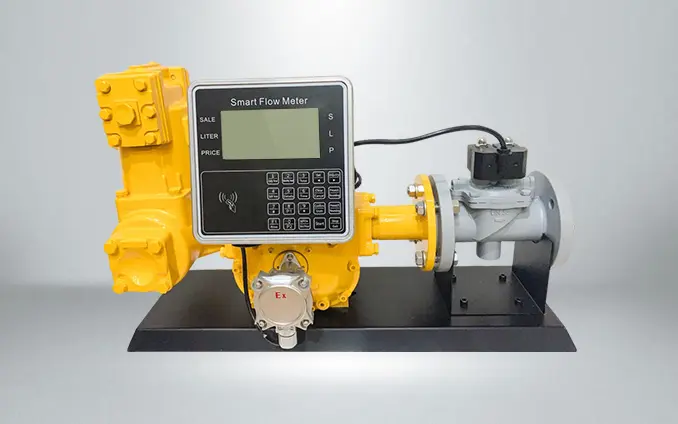
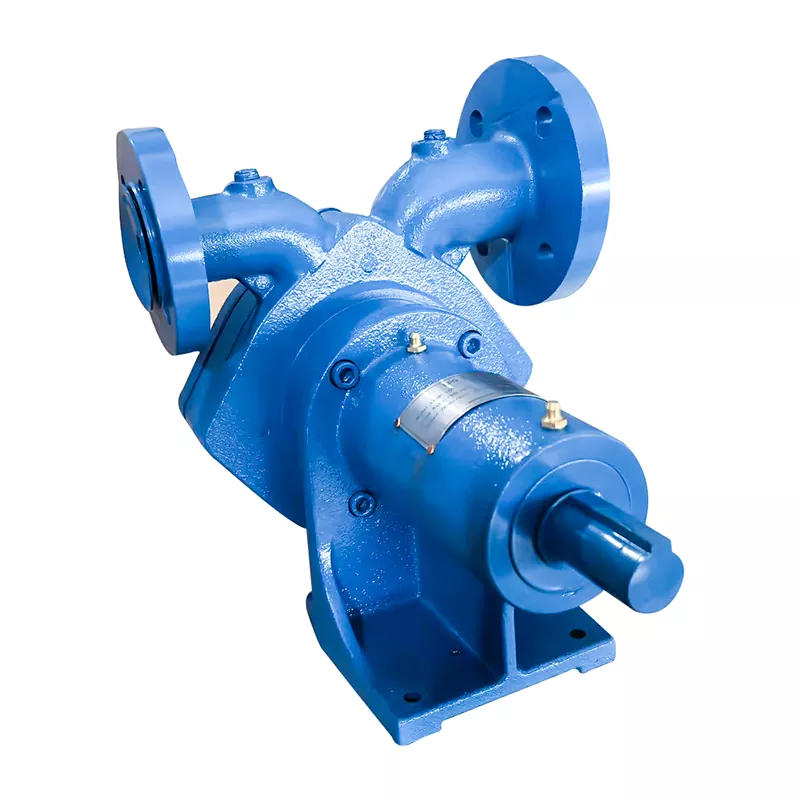
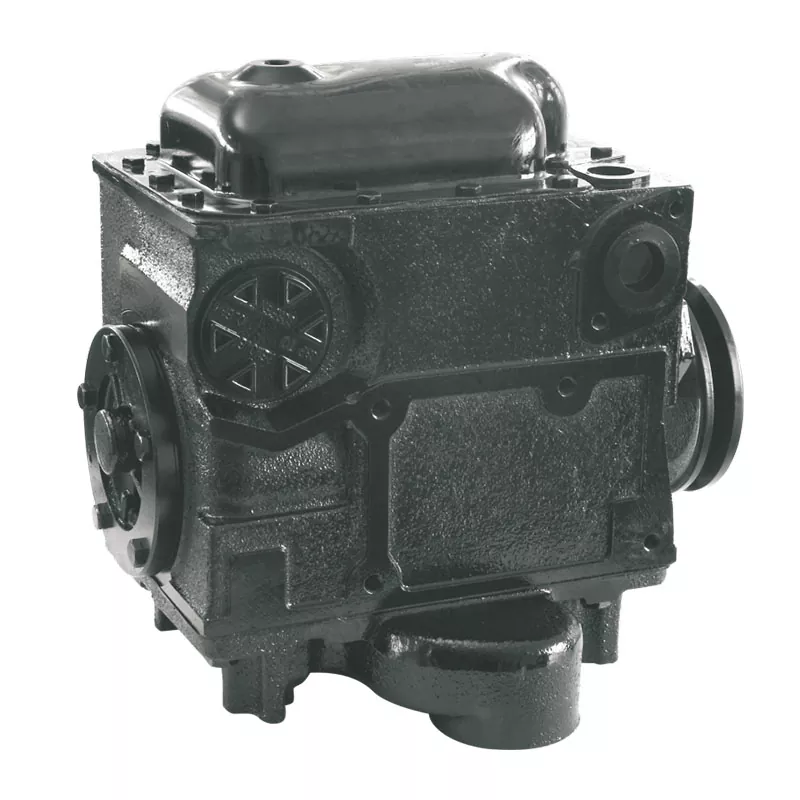
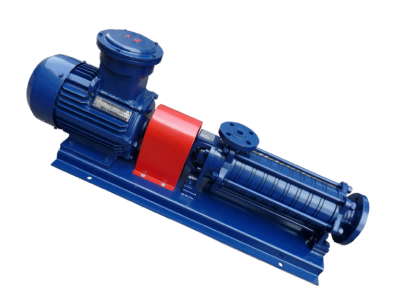
LPG Pump

The Changing Requirements of Fuel Dispensing Infrastructure

The fueling industry has experienced significant transformation as operators seek equipment capable of supporting long-term performance under demanding working conditions. Reliability, operational consistency, and maintenance efficiency have become major considerations for facility owners and engineering teams.

Traditional fuel transfer systems often faced challenges related to component wear, pressure fluctuations, and environmental exposure. As fuel distribution networks continue expanding, equipment manufacturers are developing advanced mechanical solutions designed to improve overall system stability while reducing operational interruptions.

Modern fueling facilities require equipment that can maintain smooth fluid movement, support continuous operation, and adapt to various environmental conditions. This shift has encouraged greater investment in precision engineering, material optimization, and manufacturing quality control.

Growing Emphasis on Operational Stability

Stable fuel transfer remains one of the primary objectives within the industry. Equipment performance directly affects dispensing accuracy, service continuity, and customer satisfaction. For this reason, manufacturers are focusing on improved mechanical structures capable of maintaining consistent flow characteristics during daily operation.

Enhanced internal designs help reduce friction, minimize mechanical stress, and improve fluid circulation. These developments contribute to longer service life and lower maintenance requirements across different applications.

Increasing Expectations for Equipment Durability

Fuel dispensing environments often expose mechanical components to challenging operating conditions. Continuous usage, temperature variation, and prolonged fluid contact can accelerate wear if equipment is not properly engineered.

To address these concerns, manufacturers are utilizing advanced materials, optimized machining processes, and stricter inspection procedures. The result is equipment capable of delivering dependable performance throughout extended operational cycles.

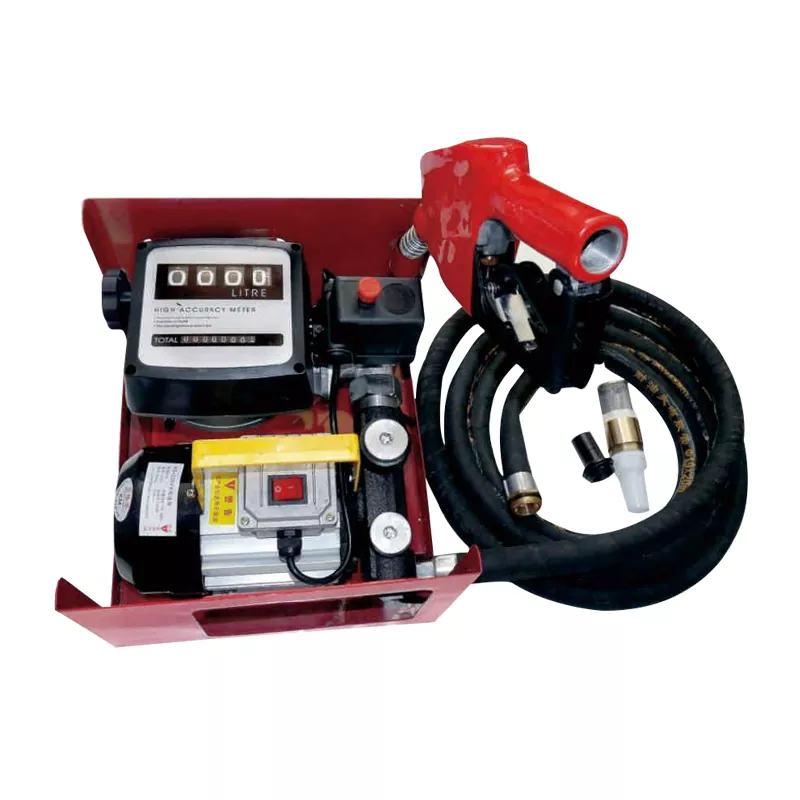
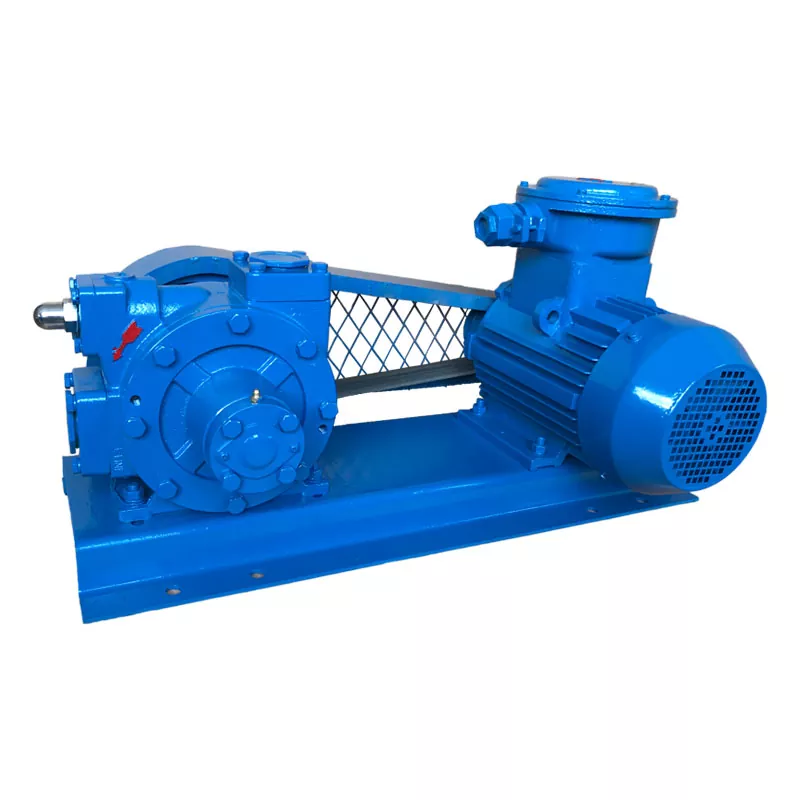
LPG Pump

Key Factors Driving Industry Innovation

Several market trends are accelerating technological development across the fuel transfer sector. Environmental considerations, infrastructure modernization initiatives, and growing operational efficiency requirements continue to influence equipment design and manufacturing strategies.

Manufacturers are responding by introducing solutions that combine precision engineering with practical maintenance advantages. This approach supports both performance optimization and long-term operational sustainability. Increasingly, companies are incorporating high-performance LPG Pump designs that enhance stability and minimize downtime.

Advanced Manufacturing Processes

Modern production facilities increasingly rely on precision machining technologies to improve component consistency. High manufacturing accuracy helps ensure proper assembly alignment, smoother mechanical operation, and enhanced equipment reliability.

Carefully controlled production environments also contribute to improved product quality by reducing variations that could affect field performance. This level of manufacturing precision has become a critical factor in maintaining competitive advantages within the industry.

Material Selection and Engineering Design

The choice of materials plays a significant role in determining equipment performance. Engineers evaluate factors such as corrosion resistance, wear resistance, mechanical strength, and compatibility with operational requirements when selecting construction materials.

Well-designed components help maintain structural integrity while supporting efficient fluid transfer. These characteristics are particularly important in applications where long-term reliability is essential.

How Equipment Performance Influences Facility Efficiency

The performance of fuel transfer equipment directly impacts overall facility productivity. Efficient operation helps reduce downtime, simplify maintenance procedures, and improve service consistency.

Facilities equipped with high-quality transfer systems often benefit from smoother daily operations and reduced disruptions. This contributes to better resource utilization and enhanced operational planning.

As infrastructure operators continue prioritizing efficiency, the importance of dependable mechanical components becomes increasingly apparent throughout the industry.

Maintenance Considerations

Maintenance efficiency remains an important factor when evaluating equipment performance. Simplified servicing procedures can significantly reduce operational interruptions while helping technical teams perform routine inspections more effectively.

Manufacturers are increasingly designing equipment with accessibility and maintainability in mind. This approach supports faster maintenance activities and contributes to improved lifecycle performance.

Long-Term Cost Management

Although initial equipment selection is important, long-term operational value often depends on reliability and durability. Equipment capable of maintaining consistent performance over extended periods can help reduce maintenance-related expenses and improve overall asset utilization.

Organizations are therefore placing greater emphasis on lifecycle considerations when evaluating mechanical solutions for fuel dispensing applications.

Industry Priorities for Future Development

The future of fuel transfer technology will likely be shaped by continued innovation in engineering design, manufacturing efficiency, and product reliability. Industry participants are actively exploring opportunities to enhance operational performance while supporting evolving infrastructure requirements.

Emerging technologies may further improve system monitoring, equipment integration, and maintenance planning. At the same time, manufacturers will continue refining mechanical designs to achieve greater efficiency and operational consistency. Advanced engineering solutions, including next-generation LPG Pump systems, are expected to become central to these improvements.

Focus on Precision and Reliability

Precision engineering is expected to remain a central development objective across the industry. Improved component accuracy supports better mechanical performance and contributes to enhanced system stability.

As customer expectations continue rising, manufacturers will likely invest further in research, production capabilities, and quality assurance programs to maintain high industry standards.

Supporting Sustainable Infrastructure Growth

Infrastructure expansion requires equipment capable of meeting both current and future operational demands. Reliable fuel transfer solutions play an important role in supporting stable energy distribution networks and ensuring consistent service delivery.

By combining robust engineering with efficient manufacturing practices, industry leaders are helping create a stronger foundation for sustainable infrastructure development.

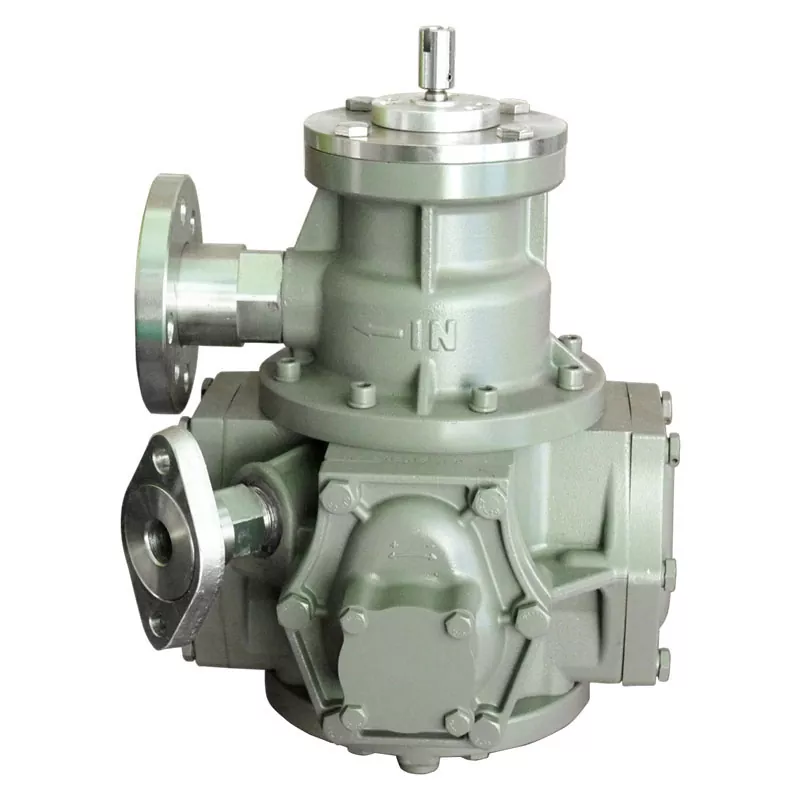
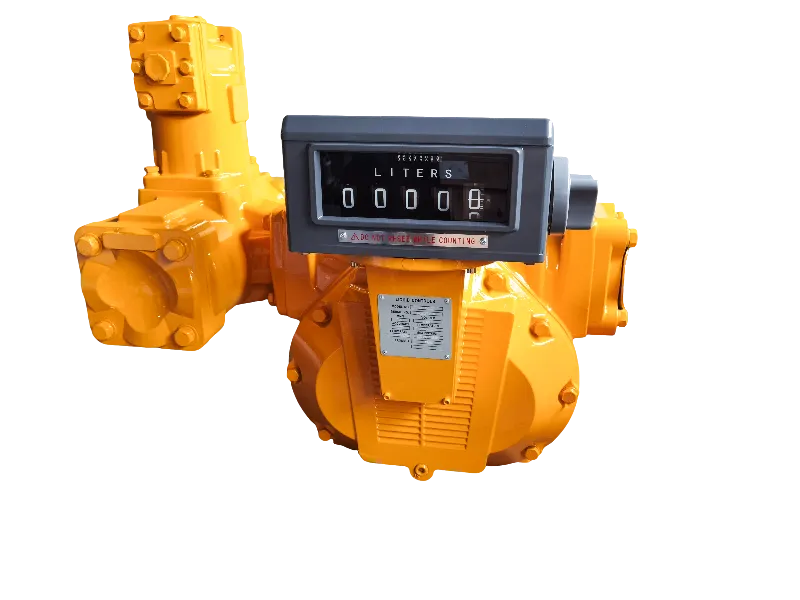
LPG Pump

Common Industry Evaluation Criteria

Evaluation Area Industry Focus
Mechanical Reliability Consistent operation under continuous usage
Material Quality Resistance to wear and environmental influence
Flow Performance Stable and efficient fluid transfer
Maintenance Efficiency Convenient inspection and servicing procedures
Manufacturing Precision Accurate component production and assembly
Operational Stability Long-term performance consistency

Industry Outlook

As market expectations continue evolving, the role of advanced fuel transfer equipment will become increasingly significant. Companies throughout the petroleum and alternative fuel sectors are seeking dependable solutions that combine efficiency, durability, and precision engineering.

The ongoing development of LPG Pump technology reflects the industry's commitment to improving operational performance while supporting modern fueling infrastructure. Through continuous innovation and quality-focused manufacturing, equipment suppliers are helping shape the future of fuel dispensing systems worldwide.

Among the manufacturers contributing to this progress, Wenzhou Supertech Machine Co., Ltd. has established a strong reputation within the petroleum equipment sector. Specializing in fuel dispenser mechanical parts and alternative fuel dispensing components, the company continuously integrates advanced technology with independent innovation. Supported by a comprehensive quality management system, sophisticated production capabilities, and strict inspection standards, Supertech delivers reliable solutions trusted by industry professionals worldwide. Its commitment to product excellence and long-term performance continues to strengthen its position as a respected manufacturer in the global fuel equipment market.

With growing attention on efficiency, reliability, and infrastructure modernization, the LPG Pump will remain a vital component supporting the continued advancement of fuel dispensing technology.

Related News
Leave me a message
Mobile
+86-15671022822
Address
No. 460, Jinhai Road, Economic And Technological Development Zone, Wenzhou, Zhejiang, China
X
We use cookies to offer you a better browsing experience, analyze site traffic and personalize content. By using this site, you agree to our use of cookies. Privacy Policy
Reject Accept