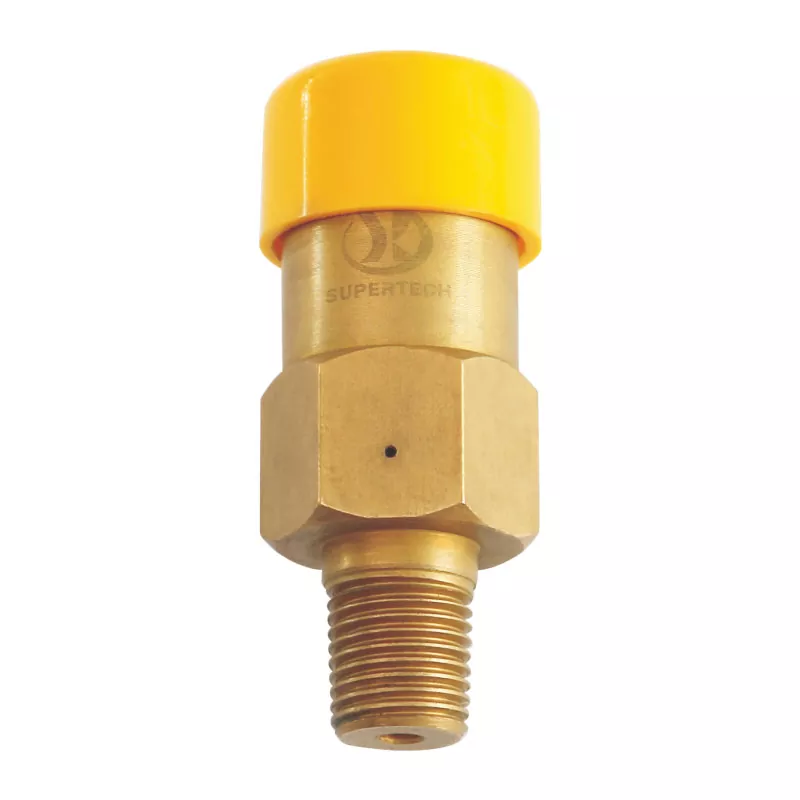
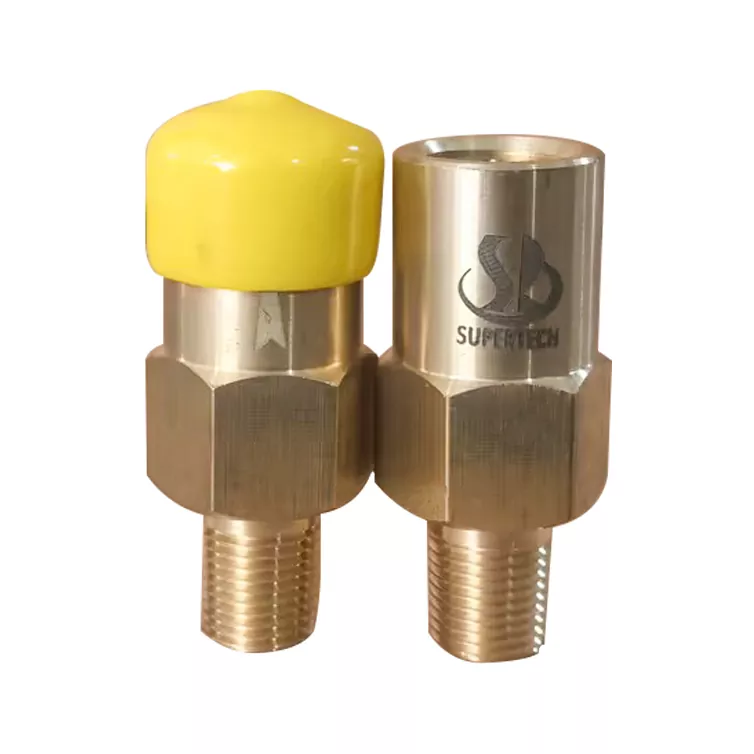
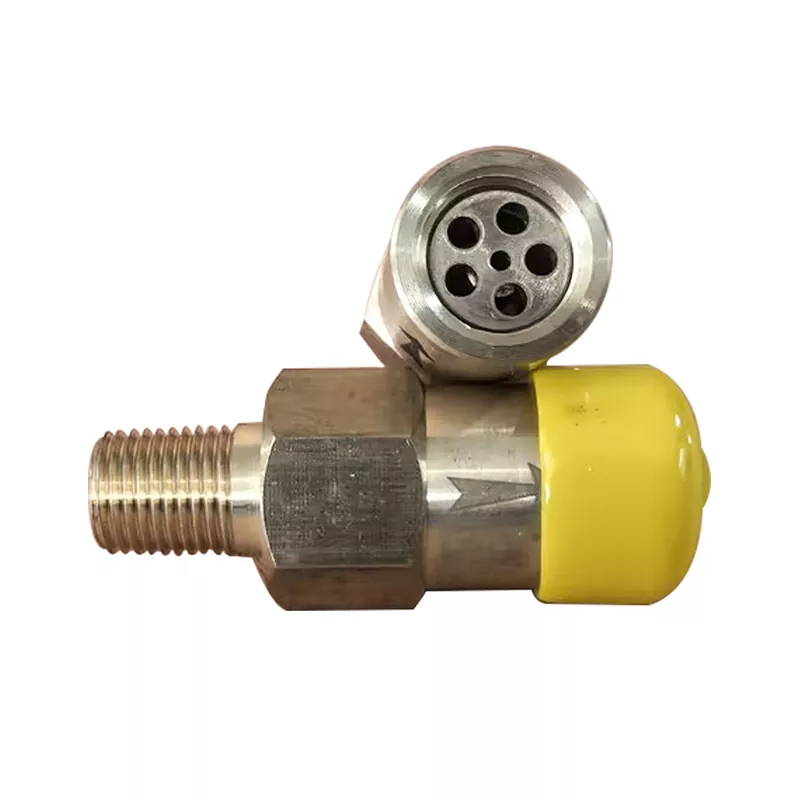
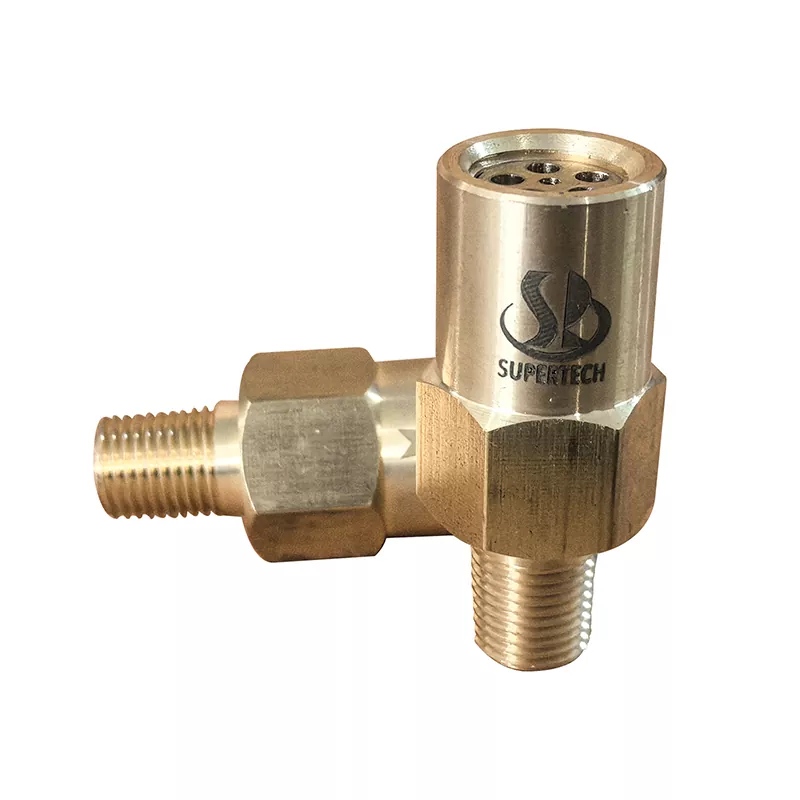
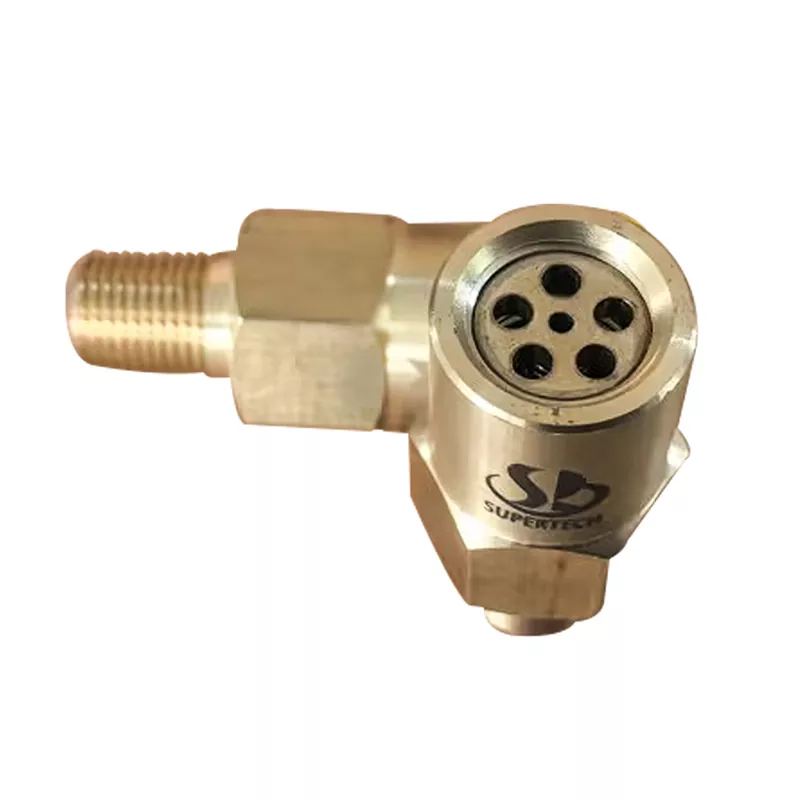
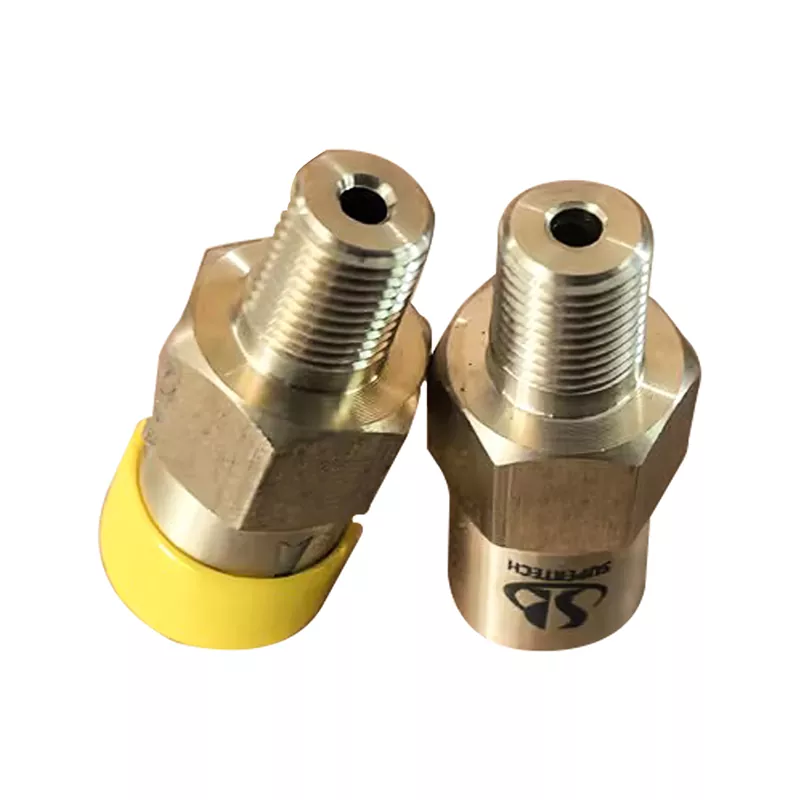
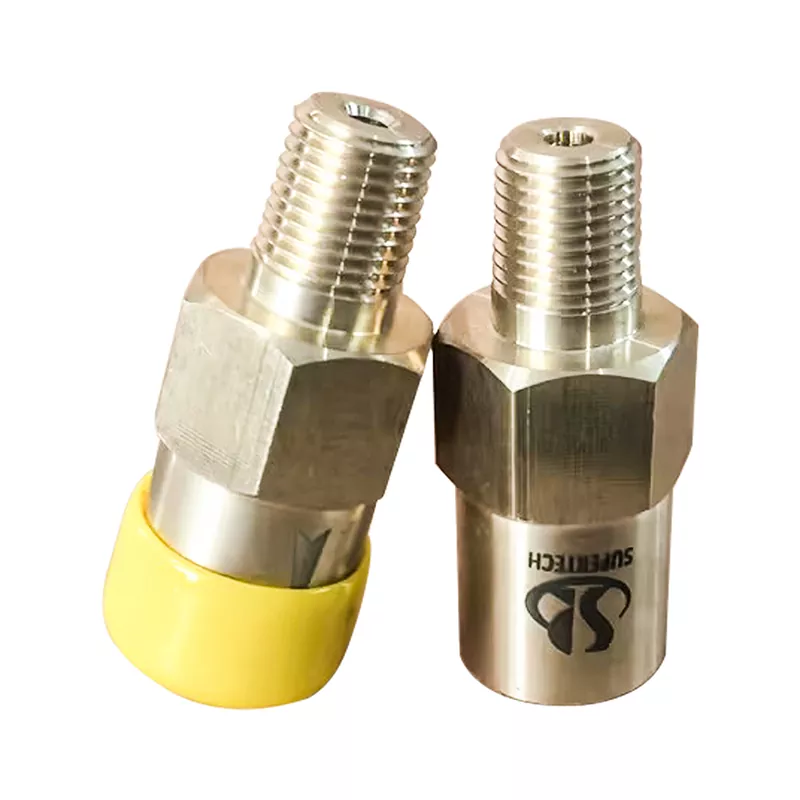
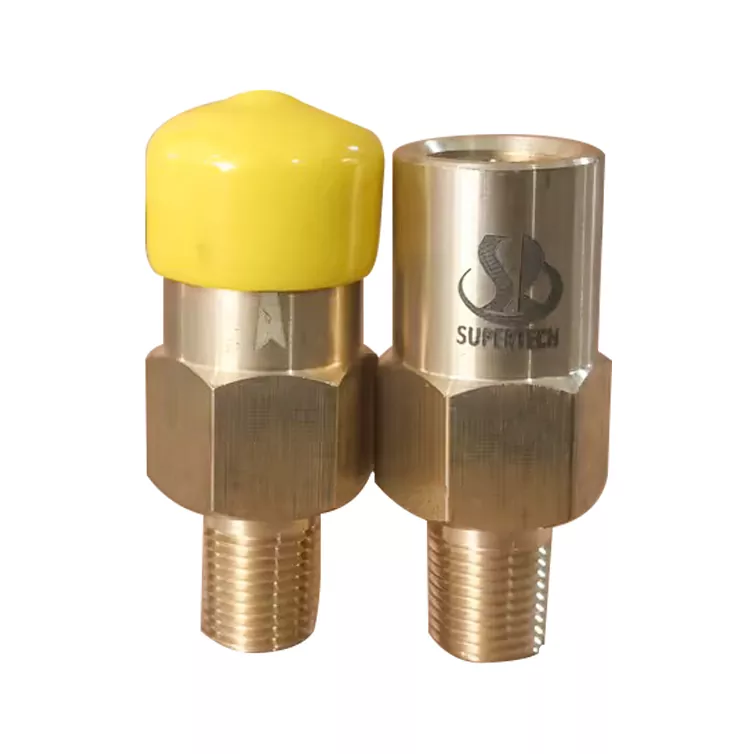
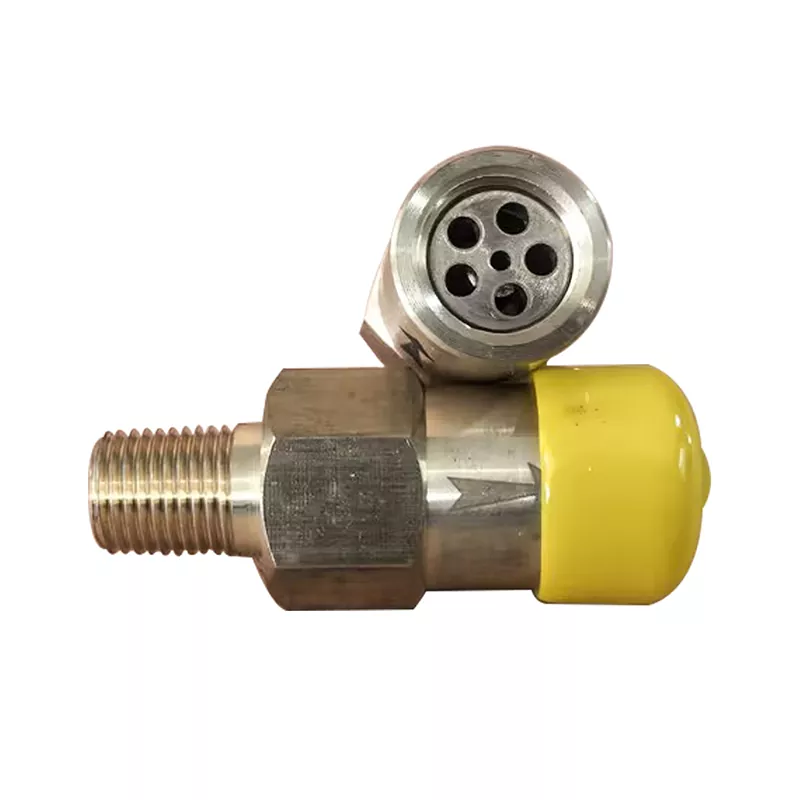
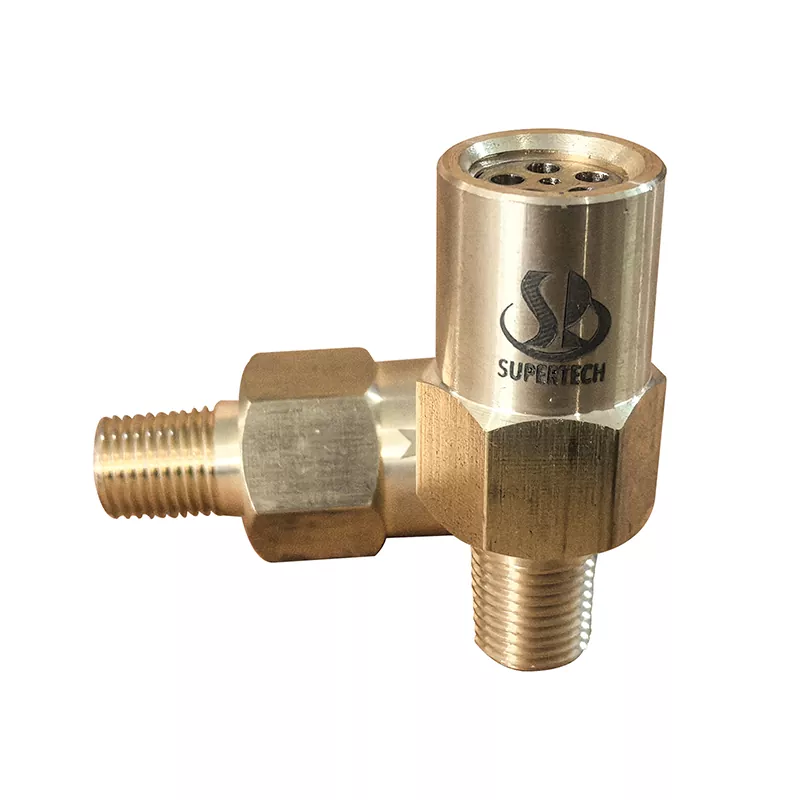
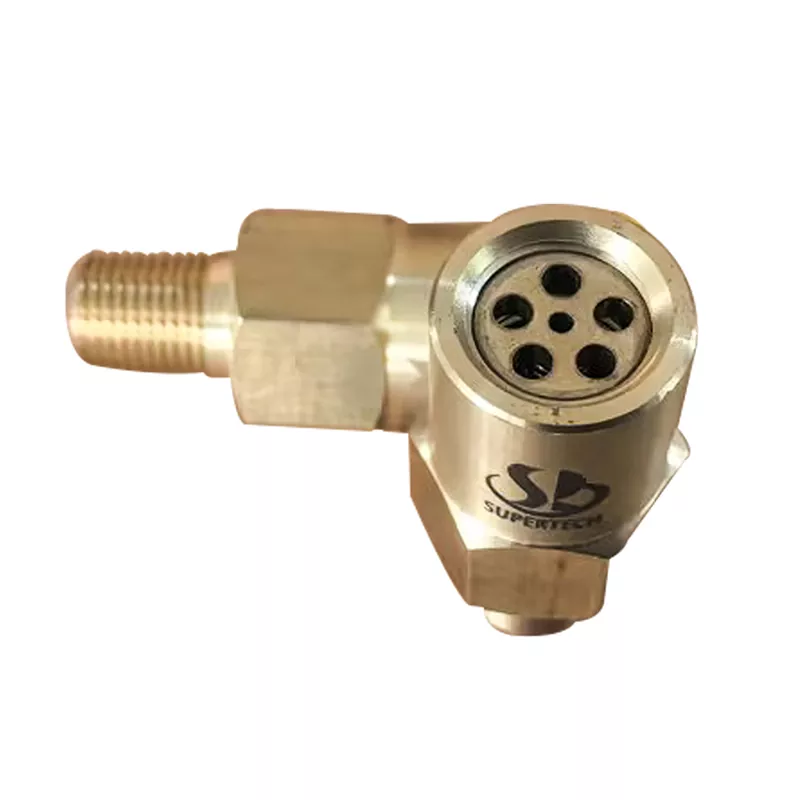
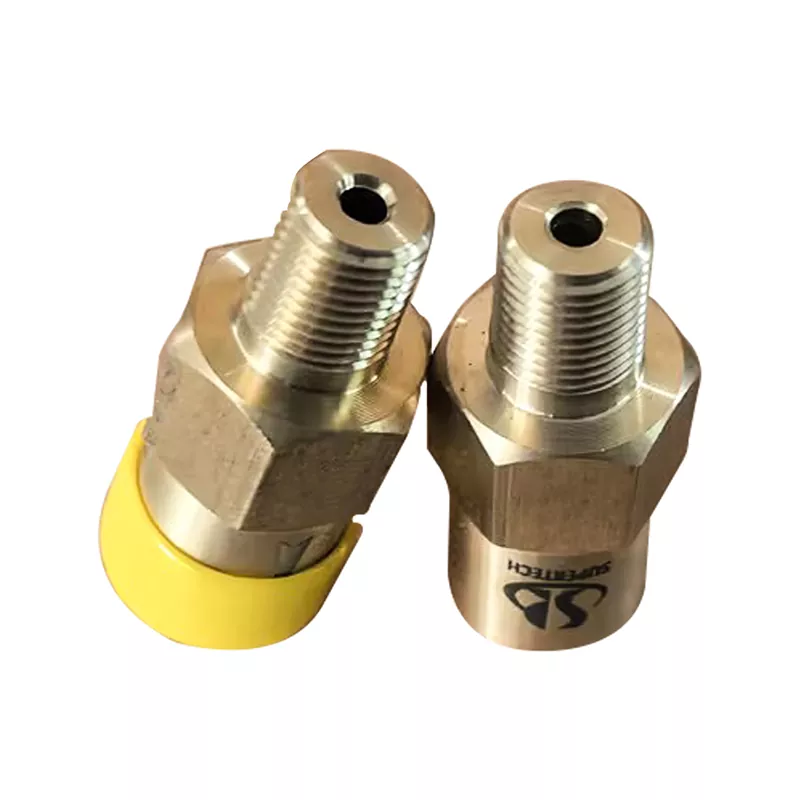
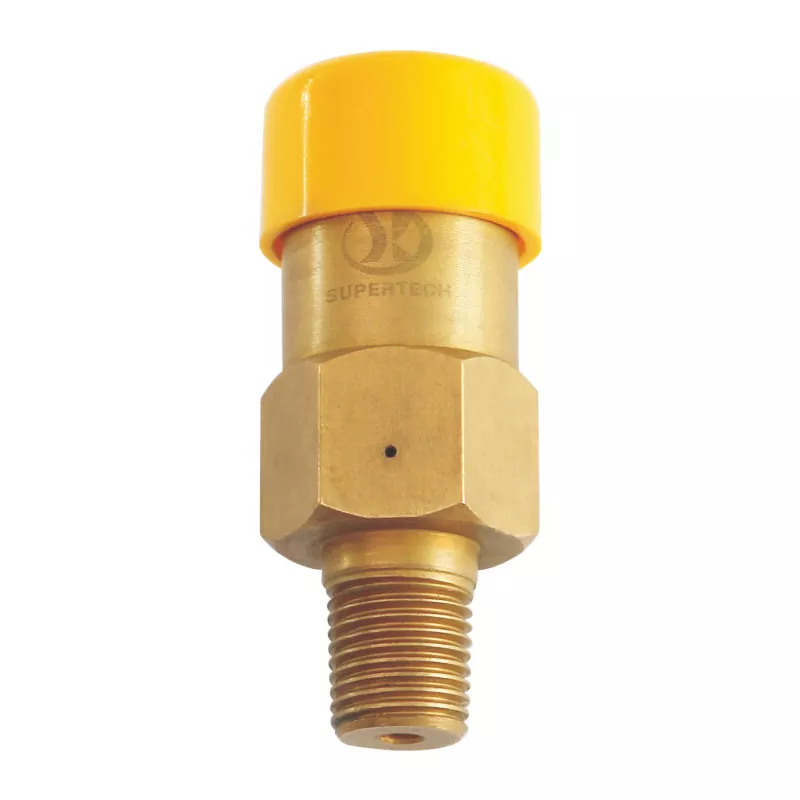
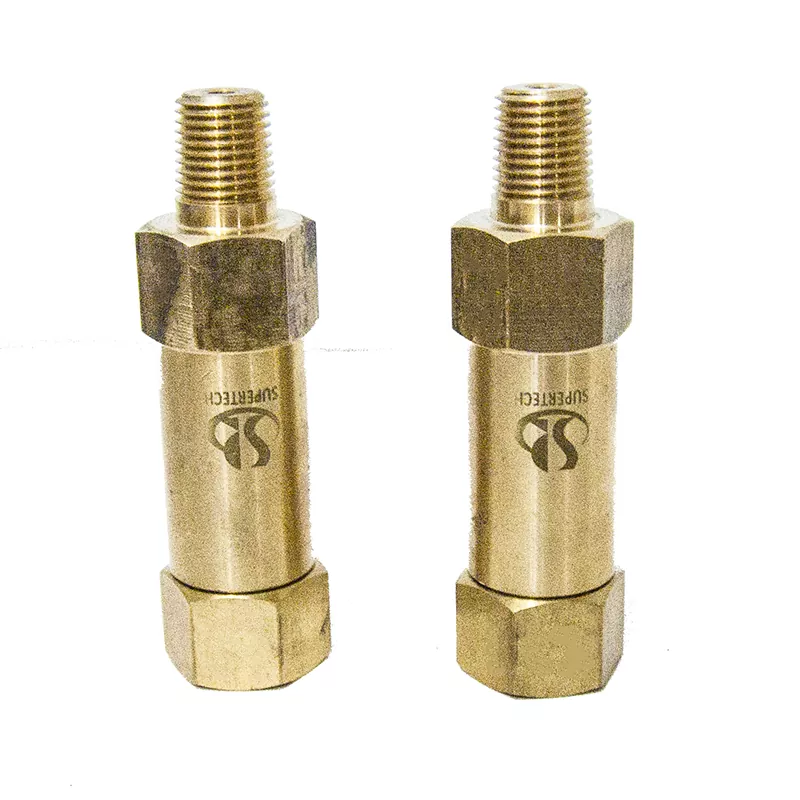
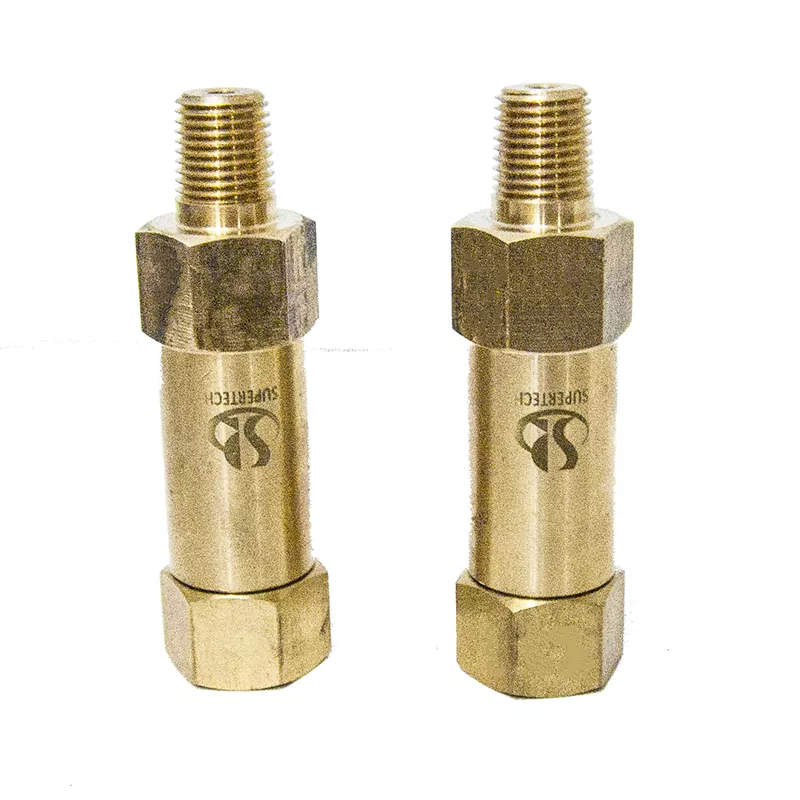
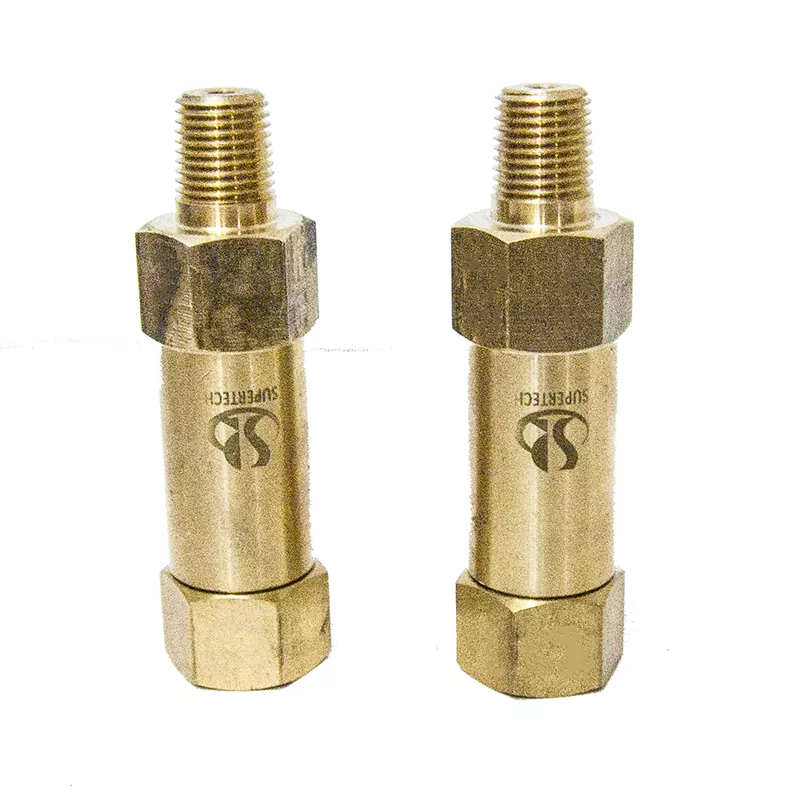
A LPG safety valve is a critical safety device used in liquefied petroleum gas (LPG) storage tanks or systems. Its core function is to automatically open when the internal pressure of the container exceeds a preset safe value, releasing part of the medium to reduce pressure and prevent container rupture or explosion due to excessive pressure. It typically employs a spring-loaded design, featuring precise set-point pressure for activation and reliable sealing performance. This ensures it remains tightly closed under normal pressure conditions and responds promptly during over pressure events. As an indispensable component for ensuring the safety of LPG storage, transportation, and usage, the safety valve requires regular calibration and maintenance to guarantee it remains in effective working condition.
A LPG safety valve, also known as a pressure relief valve, serves as the final and crucial mechanical safety barrier in a liquefied petroleum gas system. Its core function operates on the principle of automatic over pressure relief: when the internal pressure within a storage tank or pipeline abnormally rises beyond a preset safety limit due to factors such as temperature increase, the valve immediately opens automatically, discharging excess vaporized liquefied gas to a safe area. This action rapidly reduces the system pressure, preventing the container from physical rupture or even explosion caused by over pressure. To ensure absolute reliability, it adopts a purely mechanical structure (typically spring-loaded) and does not rely on external power or signals, featuring precise set pressure and effective resealing performance. Given its critical importance, the safety valve must be regularly calibrated and maintained by professional institutions. Unauthorized adjustment or blockage by users is strictly prohibited to guarantee that it fulfills its role as a "lifesaving guardian" without fail during emergencies.
Product Parameter (Specification)
Max Working Pressure:
2.5MPa
Safety using pressure:
1.8-2.5MPa
Thread:
ZG1/4”
Feature
The core advantage of a LPG safety valve lies in its purely mechanical automatic over pressure protection capability. As the system's "last line of defense," its greatest strength is that it requires no external power or manual intervention. Relying solely on its internal spring and pressure-sensing mechanism, it can instantly and automatically open to relieve pressure when pressure exceeds the limit, offering rapid response and absolute reliability. Its design ensures "fail-safe" operation, meaning that even in the event of a complete system power failure, the safety valve can still function independently, effectively preventing catastrophic incidents such as container explosions or pipeline ruptures caused by pressure buildup. Additionally, its simple and robust structure results in relatively low maintenance costs, while regular calibration ensures long-term protective performance. It provides an indispensable foundation for the intrinsic safety of liquefied gas systems.
Application
1.As a critical accessory for liquefied petroleum gas storage tanks, safety valves are directly installed at the tank top to prevent a sharp pressure rise caused by sudden temperature changes, overfilling, or fire, thereby avoiding physical explosions of the storage tanks.
2.Safety valves are installed at key nodes in process pipelines and equipment, such as unloading, refueling, and vaporization systems, to release localized high pressure caused by malfunctions or operational errors, protecting equipment and maintaining process stability.
3.According to national special equipment safety regulations, installing certified safety valves is a prerequisite for the legal operation of liquefied gas-related equipment and a key focus of safety supervision and inspections.
4.As a purely mechanical, passive final protection device, safety valves do not rely on electrical power or control systems. Even if all electronic monitoring fails, they can independently relieve pressure, buying critical time for emergency response and enhancing the intrinsic safety level of the system.
We use cookies to offer you a better browsing experience, analyze site traffic and personalize content. By using this site, you agree to our use of cookies.
Privacy Policy