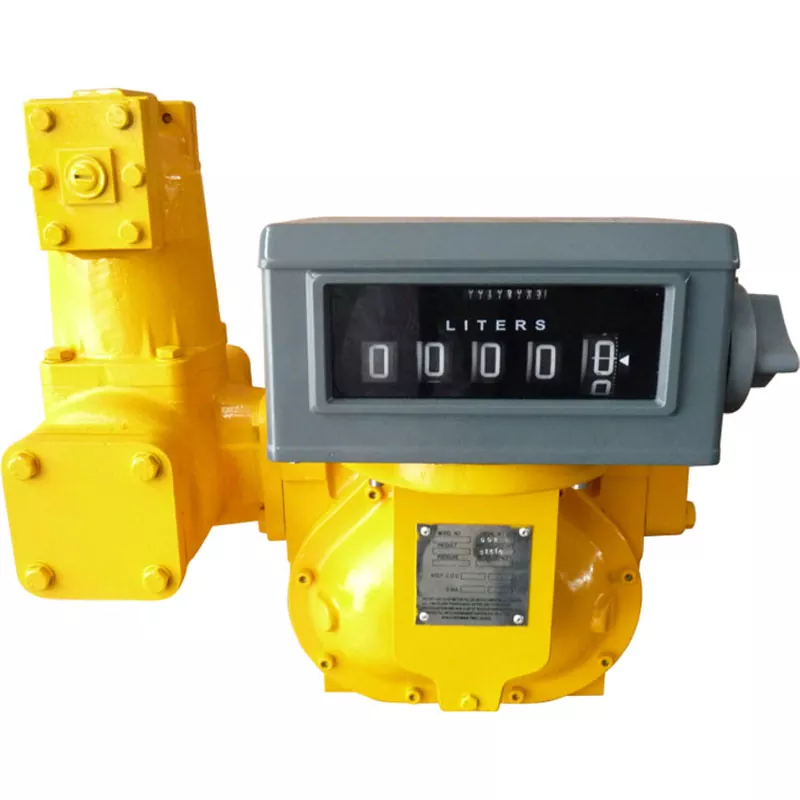
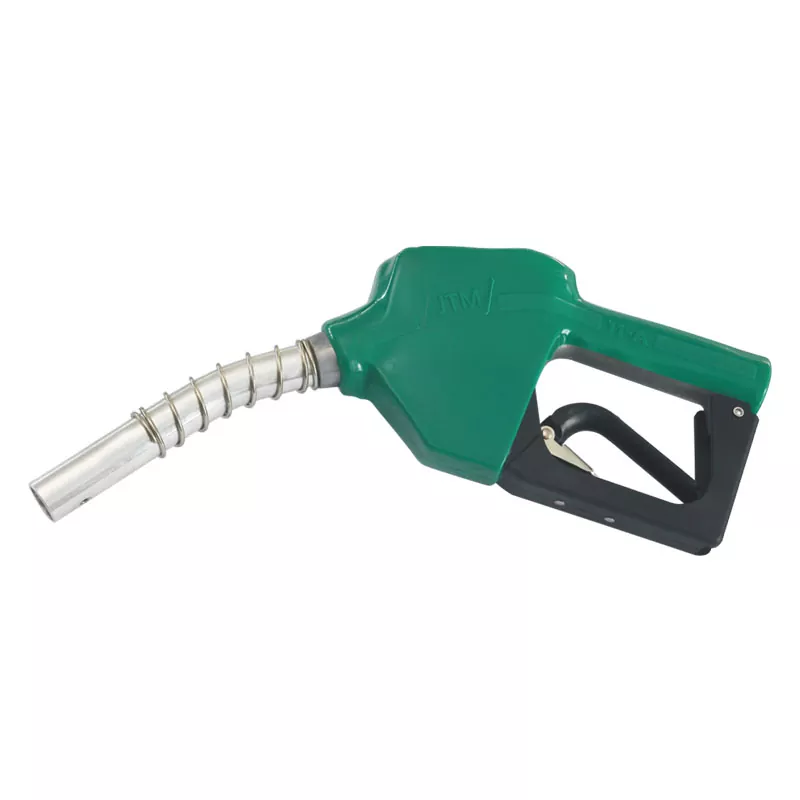
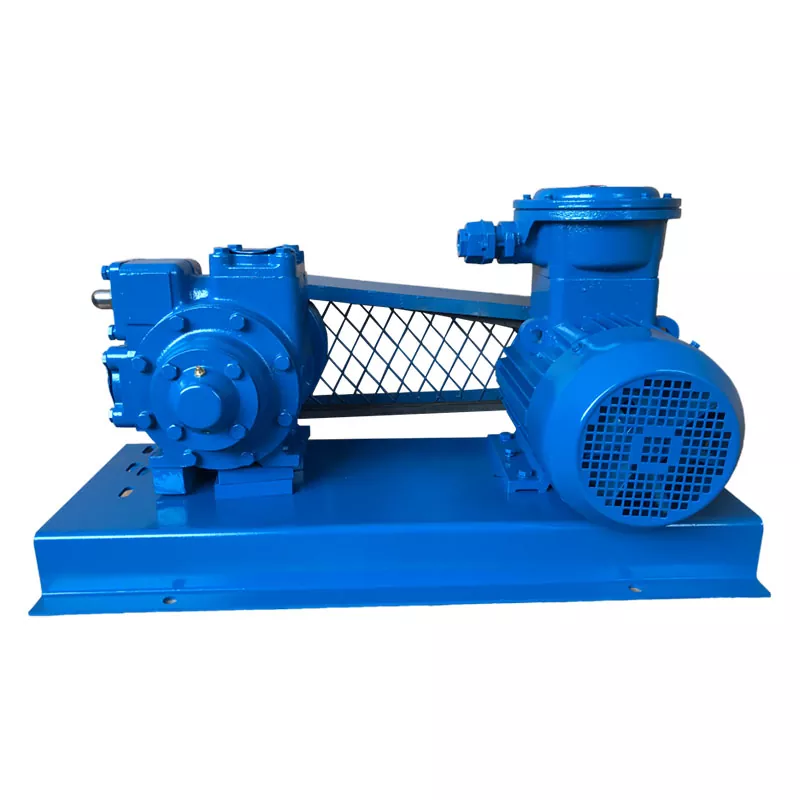
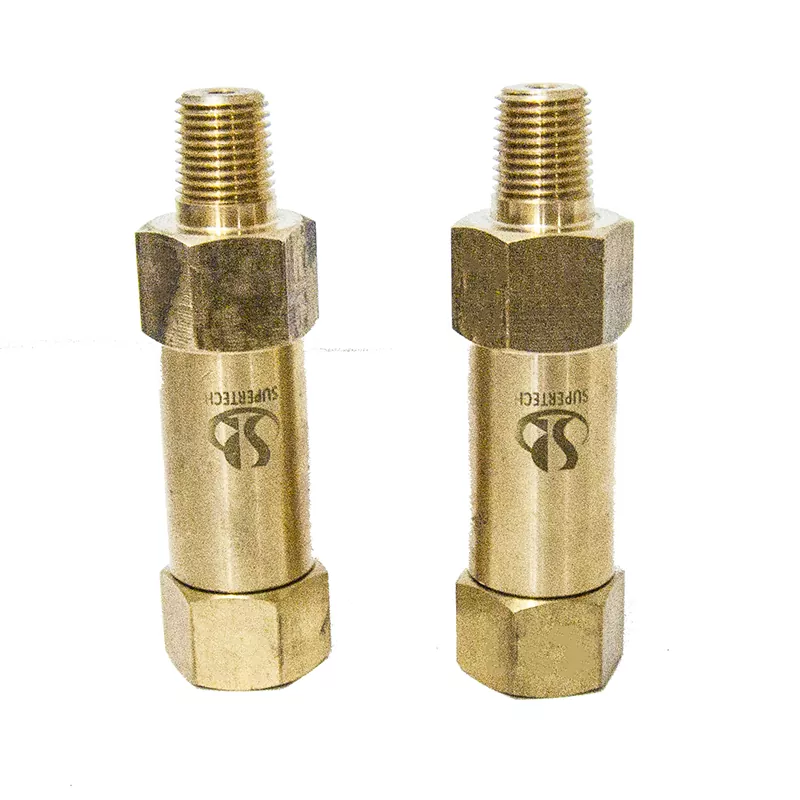
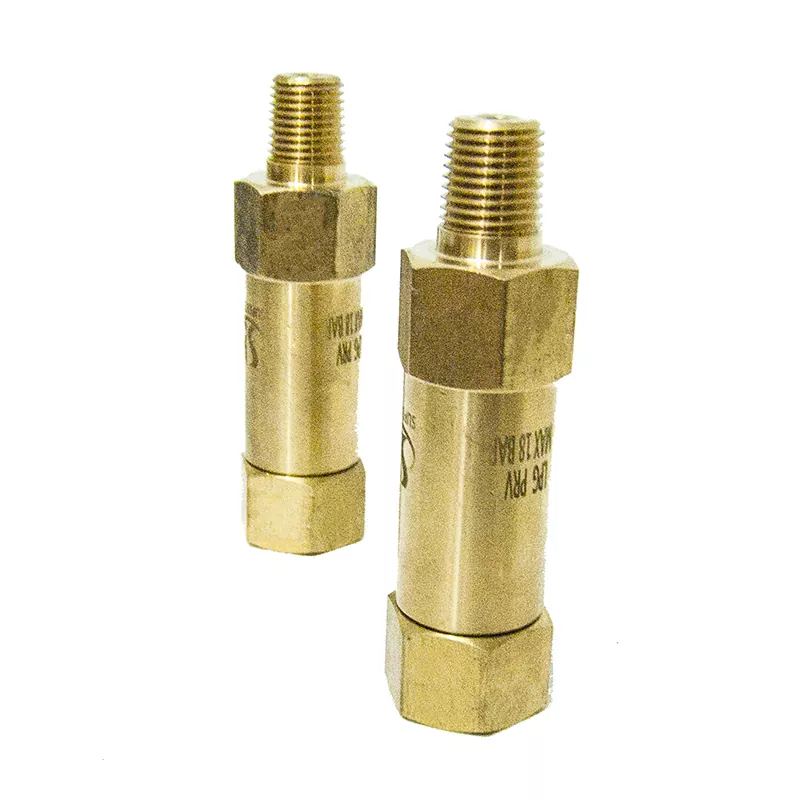
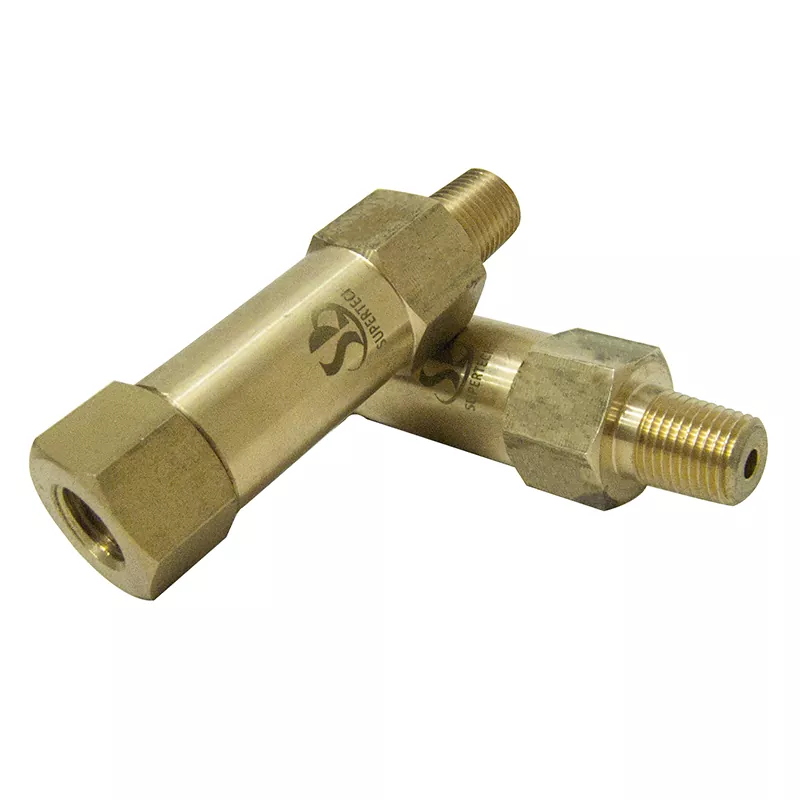
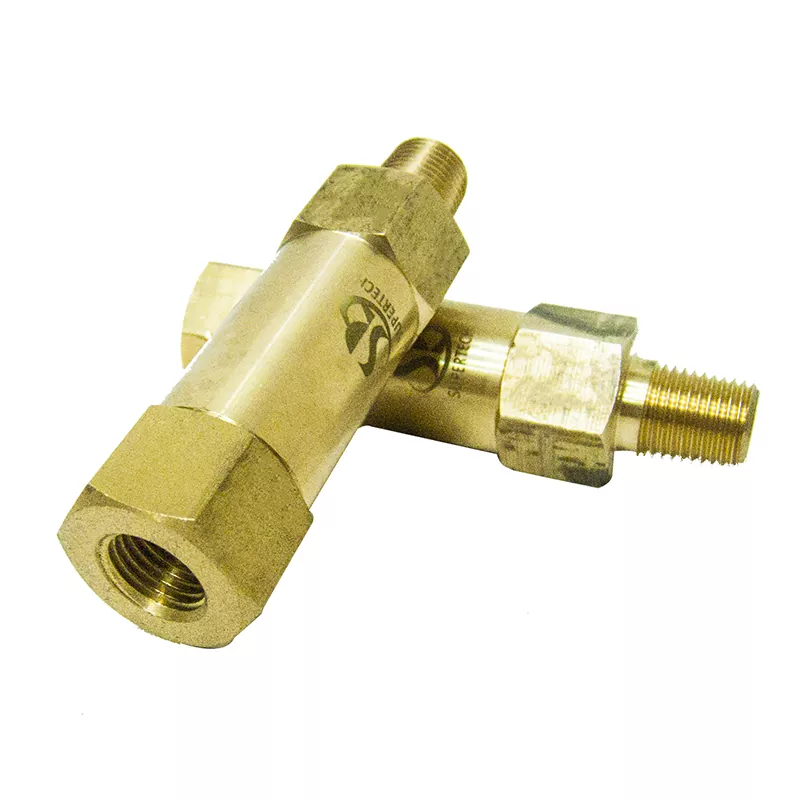
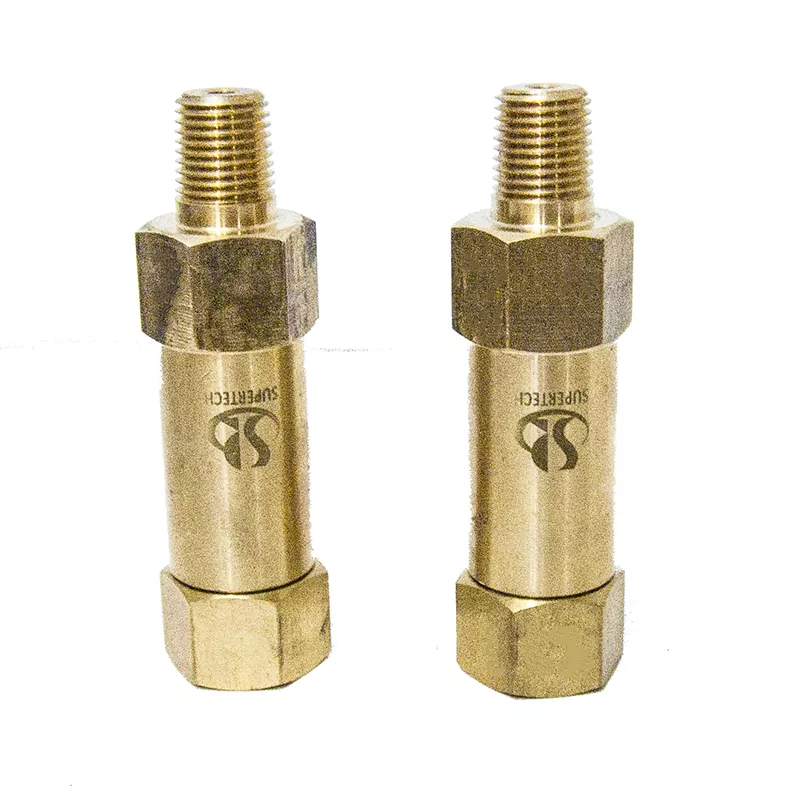
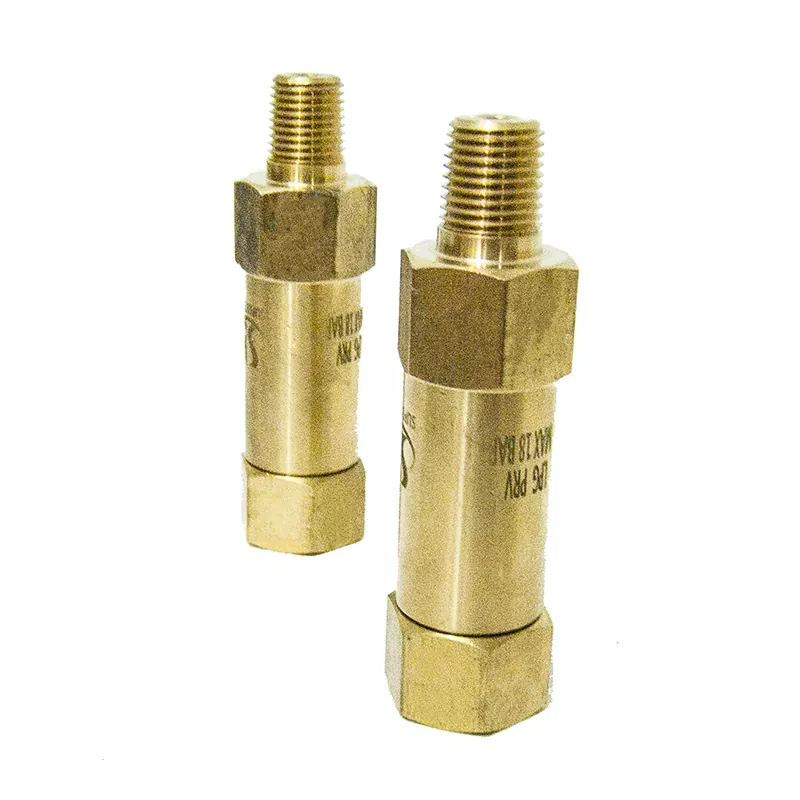
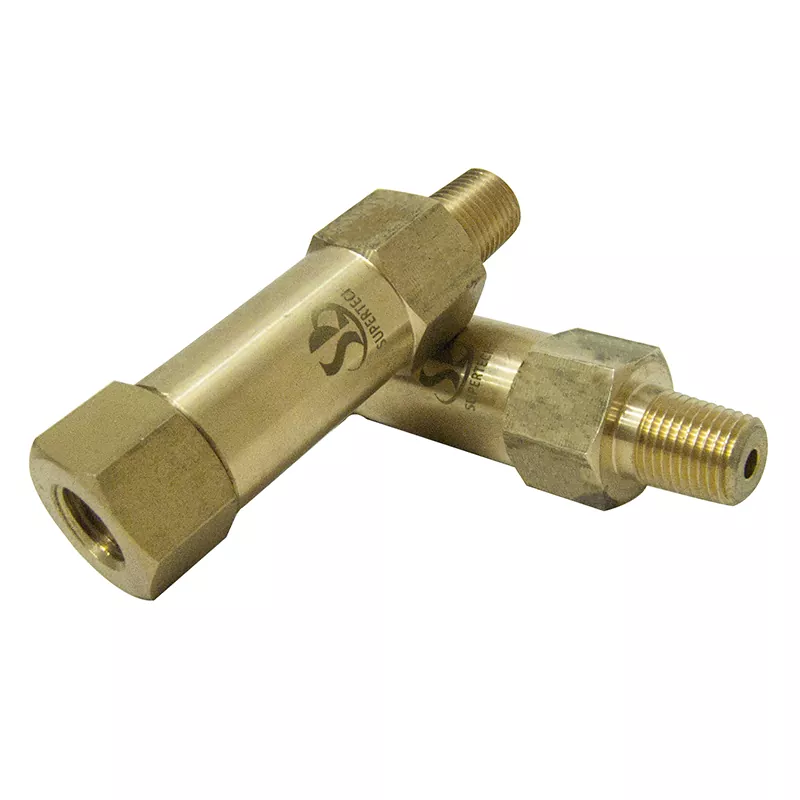
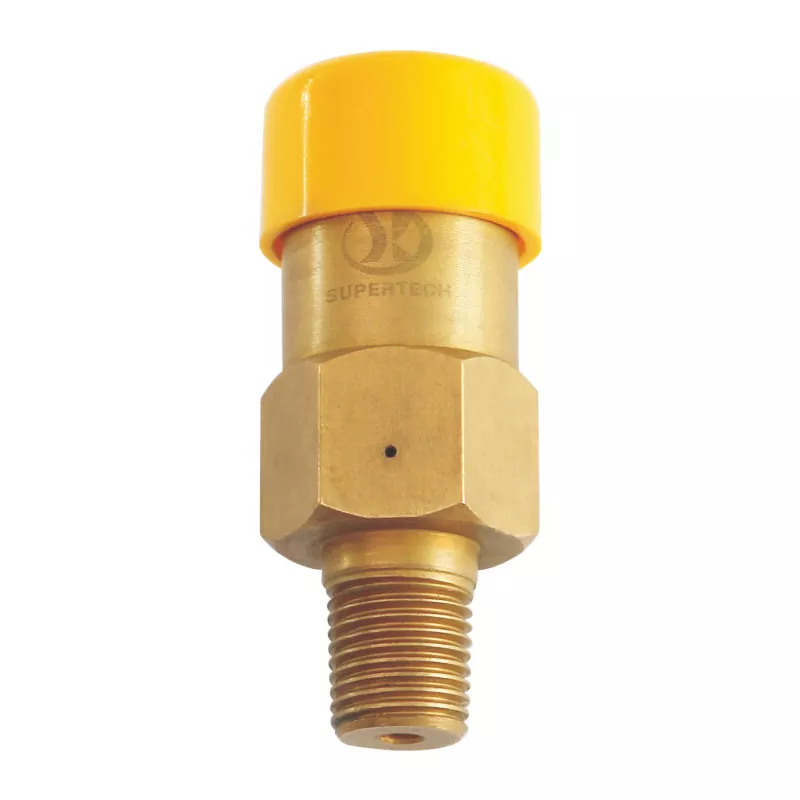
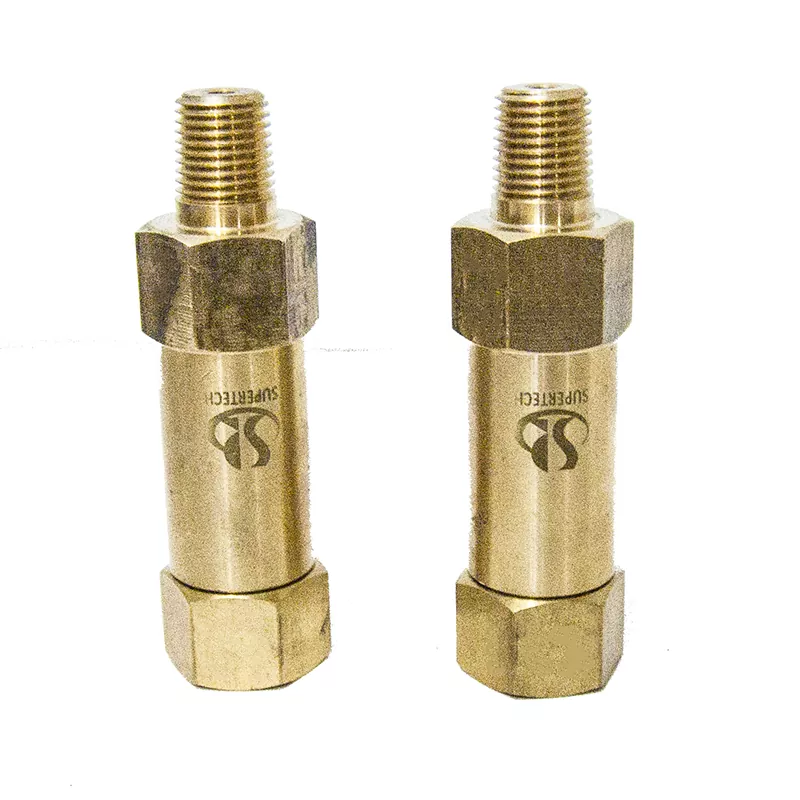
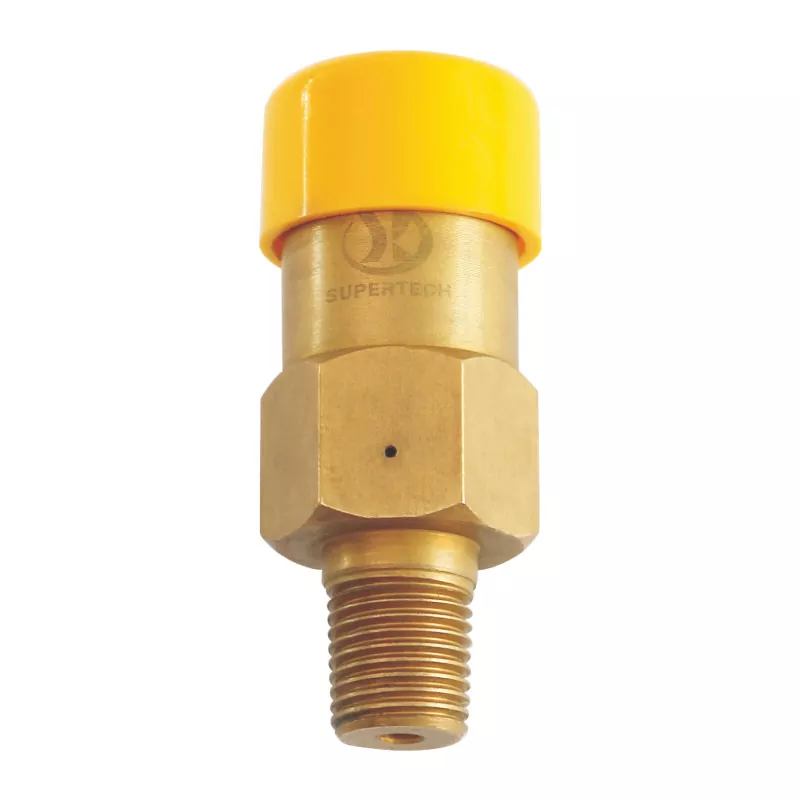
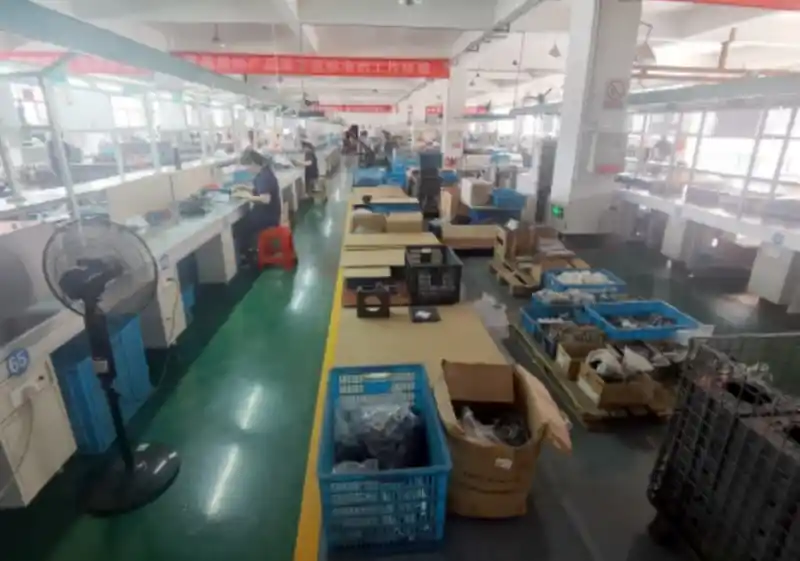
The core function of an LPG pressure relief valve is to reduce the high-pressure gas from the cylinder (which varies with temperature and remaining gas volume) in a single stage and stabilize it to the low pressure required by the combustion appliance. It ensures a constant and safe operating pressure is delivered, regardless of fluctuations in upstream pressure or changes in downstream gas consumption, thereby enabling stable combustion in gas appliances and preventing safety accidents such as leaks or flame out caused by excessive pressure.
An LPG pressure relief valve is an indispensable safety device installed on an LPG cylinder. Its core function is to reduce the fluctuating high-pressure gas inside the cylinder and stabilize it to the low pressure required by combustion appliances, ensuring a constant and safe operating pressure is delivered regardless of fluctuations in upstream pressure or changes in downstream gas consumption. This enables stable combustion in gas appliances and prevents safety accidents such as leaks or flame out caused by excessive pressure.
Product Parameter (Specification)
Working pressure:
1.8MPa
Pressure difference:
0.3MPa
Flow Rate:
5-50L/min
package:
20pcs/carton
Net weight
10kg
Gross weight
12kg
Size:
475mm*230mm*240mm
Feature
The core advantages of an LPG pressure relief valve lie in its integration of safety, stability, efficiency, and durability. Serving as the critical safety barrier between the cylinder and the appliance, it automatically withstands drastic fluctuations in source pressure, precisely locking the high-pressure gas (during high temperatures or when the cylinder is full) into the low-pressure safety range required by the appliance. This fundamentally eliminates the risks of hose burst and flame out-induced leakage. Simultaneously, its stable output pressure ensures complete combustion of the gas, keeping the flame a clean and vigorous blue, which not only improves thermal efficiency and saves on gas costs but also reduces the generation of harmful gases. Furthermore, with its fully mechanical structure requiring no electricity, it leverages an automatic feedback mechanism for long-term reliable operation, providing a simple yet highly efficient gas usage guarantee for both domestic and commercial kitchens.
Application
1. Household/Domestic Use:
This is the most common application scenario. The valve is primarily installed on LPG cylinders in residential homes to connect to gas stoves and water heaters. It ensures that the gas pressure entering the home remains stable and within safety standards, guaranteeing a steady flame for daily cooking and bathing while preventing equipment damage or carbon monoxide poisoning caused by pressure fluctuations.
2. Commercial Catering:
Applied in restaurants, canteen kitchens, or commercial kitchens. Due to the high gas consumption and frequent use in commercial settings, these valves require a larger flow capacity. They ensure that the gas supply pressure does not drop when multiple wok burners and steamers are operating simultaneously, meeting the demands of high-heat cooking while withstanding the complex kitchen environment.
3. Industrial Heating:
In industrial scenarios where LPG is used as fuel—such as in boilers, drying equipment, and industrial kilns—the pressure reducing valve is used for precise inlet pressure control. This ensures that high-power burners maintain a stable combustion mixture according to process requirements, helps sustain constant production temperatures, improves the quality rate of industrial products, and guarantees the safety of continuous production.
4. Motor Vehicles and Special Equipment:
In LPG bi-fuel vehicles, forklifts, and outdoor construction machinery that use LPG as fuel, the pressure reducing valve (also known as a vaporizer/regulator) does more than just reduce pressure. It utilizes heat from the engine coolant to vaporize liquid LPG, supplying the engine with a stable pressure of gaseous fuel to ensure smooth power output.
We use cookies to offer you a better browsing experience, analyze site traffic and personalize content. By using this site, you agree to our use of cookies.
Privacy Policy