Topic: This comprehensive guide explores the critical role of the LPG dispenser filling nozzle. We delve into its operation, key features, common challenges faced by station operators, and how selecting a high-quality nozzle from a trusted manufacturer like Supertech-machine can solve persistent pain points related to safety, efficiency, and durability, ultimately protecting your business and customers.
Table of Contents
The Critical Role of the Nozzle in the LPG Dispensing System
Deconstructing the Nozzle: Core Components and Function
Common Pain Points and Operational Challenges
Supertech-machine Nozzle Solutions: Engineering for Excellence
Comparative Analysis: Standard vs. Advanced Nozzle Features
Maintenance and Best Practices for Longevity
Frequently Asked Questions (FAQ)
The Critical Role of the Nozzle in the LPG Dispensing System
The LPG dispenser filling nozzle is far more than a simple point of contact between the dispenser and the vehicle tank. It is a precisely engineered safety and control device, serving as the final guardian in the refueling process. Its primary functions are threefold: to create a secure, leak-proof connection with the vehicle receptacle; to precisely control the flow of highly pressurized liquid petroleum gas; and to automatically shut off the flow when the tank is full or if the connection is compromised. A failure in any of these functions can lead to significant safety hazards, product loss, and operational downtime. For station owners and operators, the reliability of this component directly impacts customer trust, regulatory compliance, and bottom-line profitability. It is the critical interface where technology meets user interaction, demanding unwavering reliability.
Deconstructing the Nozzle: Core Components and Function
Understanding how a nozzle works requires a look at its internal anatomy. Each component plays a specific role in the safe transfer of LPG.
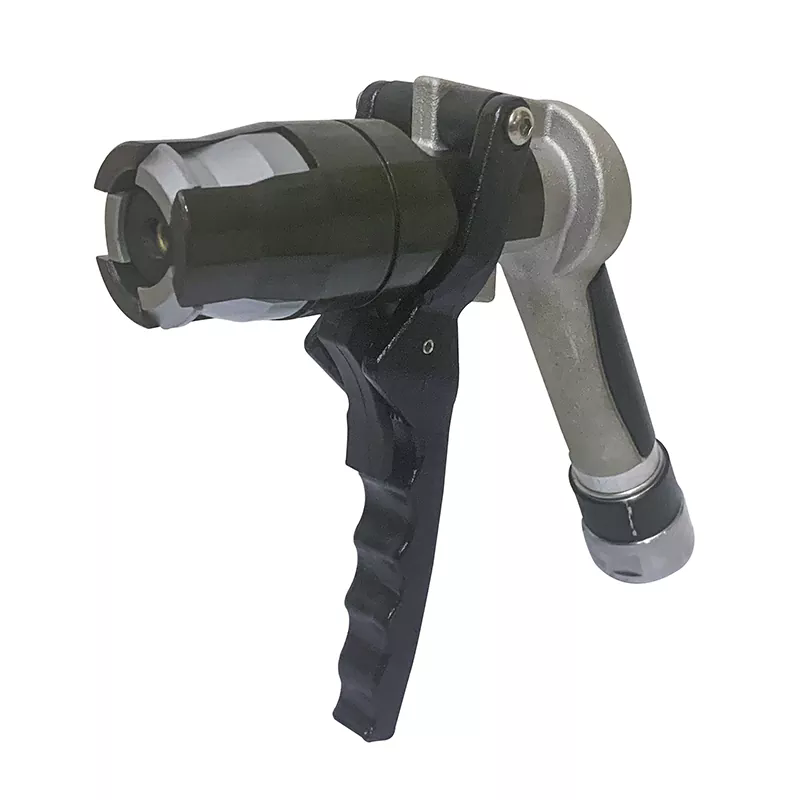
Nozzle Body and Handle: Constructed from high-grade, drop-forged brass or stainless steel for durability and resistance to high pressure and mechanical stress. The handle ergonomics are crucial for operator ease and to prevent accidental disconnection.
Coupling Mechanism (Bayonet or ACME Thread): This is the part that physically locks onto the vehicle's fill receptacle. A secure, easy-to-engage, and leak-proof coupling is non-negotiable for preventing spills during filling.
Internal Valve Assembly: The heart of the nozzle. It controls the flow of LPG and is typically actuated by pulling the handle lever. Precision machining ensures smooth operation and tight sealing when closed.
Automatic Shut-off System: Often a critical safety feature. It uses a diaphragm or sensor mechanism to detect back-pressure changes. When the vehicle tank reaches its safe fill level (typically 80-85%), the increased vapor pressure triggers an immediate shut-off, preventing overfilling.
Vapor Return Path (for Balanced Systems): In advanced dispenser setups, the nozzle may integrate a separate vapor return line. This captures vapors displaced from the vehicle tank and returns them to the storage system, enhancing environmental compliance and efficiency.
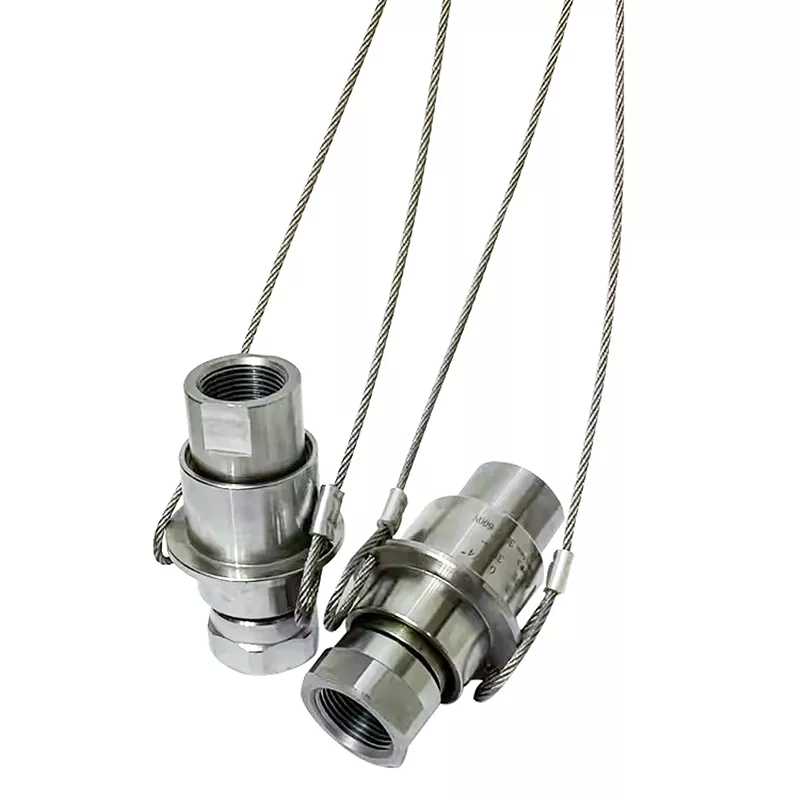
Safety Breakaway Device: An optional but highly recommended safety feature. This is a specially designed coupling that will separate safely under excessive tension (e.g., if a driver drives away with the nozzle still attached), instantly sealing both ends to prevent a massive LPG release.
Common Pain Points and Operational Challenges
Operators frequently encounter several recurring issues with substandard or worn-out LPG nozzles:
Use of low-grade materials not suited for constant use and exposure to LPG and outdoor elements.
Incompatibility with Vehicle Receptacles
Inability to service certain vehicles, lost business, damage to customer's fill inlet.
Non-standard coupling design or poor adherence to regional specifications.
Supertech-machine Nozzle Solutions: Engineering for Excellence
At Supertech-machine, we engineer our LPG dispenser filling nozzles to directly address these industry pain points. Our design philosophy centers on safety, durability, and user experience.
Premium Material Construction: We use certified, high-density forged brass and stainless steel alloys that offer superior tensile strength and corrosion resistance, ensuring a long service life even in harsh operating environments.
Precision-Engineered Sealing System: Our proprietary multi-layered seal and gasket kits are made from LPG-resistant compounds like Nitrile (NBR) or Viton, designed to maintain elasticity and a perfect seal across a wide temperature range, eliminating leakage.
Smooth-Action Valve Design: The internal valve mechanism is polished and calibrated for effortless, single-handed operation. This reduces operator strain and ensures a consistent, reliable flow every time.
Reliable Automatic Shut-off Mechanism: We incorporate a robust, field-adjustable shut-off system with a sensitive yet durable diaphragm. It is designed to resist clogging and provide accurate, dependable shut-off at the precise moment, safeguarding against overfills.
Integrated Safety Features: Our nozzles are available with built-in, certified safety breakaway couplings. This added layer of protection can prevent catastrophic incidents, offering peace of mind to station operators.
Global Compatibility: We manufacture nozzles to meet various international standards (like ACME, DIN, or bayonet types), ensuring they are compatible with the vast majority of LPG vehicles globally.
Comparative Analysis: Standard vs. Advanced Nozzle Features
Feature
Standard Nozzle
Supertech-machine Advanced Nozzle
Primary Material
Standard brass, prone to stress cracking
High-density forged brass / stainless steel
Seal Longevity
Standard rubber, degrades faster
Specialized LPG-resistant compound (NBR/Viton)
Valve Action
Can become stiff over time
Polished, smooth-action mechanism
Shut-off Accuracy
Basic mechanism, may fail
Adjustable, reliable diaphragm system
Safety Breakaway
Often an extra-cost add-on or absent
Available as integrated, certified safety device
Maintenance Cycle
Frequent seal and part replacement needed
Extended service intervals, robust design
Maintenance and Best Practices for Longevity
Even the best equipment requires proper care. Follow these best practices to maximize the lifespan and performance of your LPG filling nozzle:
Perform Daily Visual Inspections: Check for any signs of physical damage, corrosion, or leakage at the coupling and hose connection before starting operations.
Conduct Regular Leak Tests: Use a approved leak detection solution to test the nozzle valve and coupling seals weekly or as per your safety protocol.
Keep it Clean: Wipe the nozzle and coupling clean after each use. Prevent dirt and debris from entering the valve mechanism or the vehicle's fill receptacle.
Follow Correct Coupling/Uncoupling Procedure: Train all operators to securely lock the nozzle onto the vehicle receptacle and to ensure the valve is fully closed before uncoupling.
Schedule Professional Servicing: Adhere to the manufacturer's recommended service intervals. Have a qualified technician inspect internal components, replace seals, and calibrate the shut-off mechanism periodically.
Never Force or Drop the Nozzle: Avoid using excessive force to operate a sticky valve. This indicates a need for maintenance. Protect the nozzle from impacts that can misalign internal parts.
Frequently Asked Questions (FAQ)
How often should the seals in an LPG nozzle be replaced?
There is no universal timeline as it depends on usage frequency and conditions. However, we recommend inspecting seals every 3-6 months and replacing them at the first sign of wear, hardening, or as part of an annual preventative maintenance schedule. Supertech-machine nozzles use long-life seals to extend this interval.
Can a faulty nozzle cause an LPG dispenser to give inaccurate readings?
While the nozzle itself doesn't house the metering system, significant leaks or a malfunctioning internal valve that doesn't open fully can indirectly affect the overall system pressure and flow consistency, potentially impacting the accuracy of the transaction. A secure, full-flow nozzle is essential for precise measurement.
What should I do if my nozzle's automatic shut-off stops working?
Immediately stop using the nozzle. A failed shut-off is a serious safety risk that can lead to tank overfilling. Isolate the dispenser and have the nozzle serviced or replaced by a qualified technician. Do not attempt to use the dispenser in manual mode without this critical safety feature.
Are Supertech-machine nozzles compatible with all types of LPG dispensers?
Our nozzles are designed to standard thread and connection specifications common in the industry. They are generally compatible with most major dispenser brands. It is always advisable to confirm the coupling type (e.g., 3/4" ACME) and hose thread connection with your dispenser manual or our technical team to ensure a perfect fit.
Why is a safety breakaway coupling so important?
It is a last-line defense against a major incident. If a vehicle drives away with the nozzle attached, the breakaway coupling will safely separate, instantly isolating the fuel supply on both sides. This prevents a hose rupture and a large, uncontrolled release of LPG, which could lead to fire or explosion.
Ready to Eliminate Nozzle Leaks, Downtime, and Safety Worries?
The LPG dispenser filling nozzle is a small component with a massive responsibility. Investing in a robust, reliable nozzle from a specialist manufacturer is an investment in the safety, efficiency, and reputation of your refueling operation. Supertech-machine combines decades of engineering expertise with a deep understanding of the field's challenges to deliver components you can trust.
Explore our engineered solutions and discover how our commitment to quality can protect your business. Contact us today to discuss your requirements, request detailed specifications, or find the right nozzle for your dispenser system.
We use cookies to offer you a better browsing experience, analyze site traffic and personalize content. By using this site, you agree to our use of cookies.
Privacy Policy