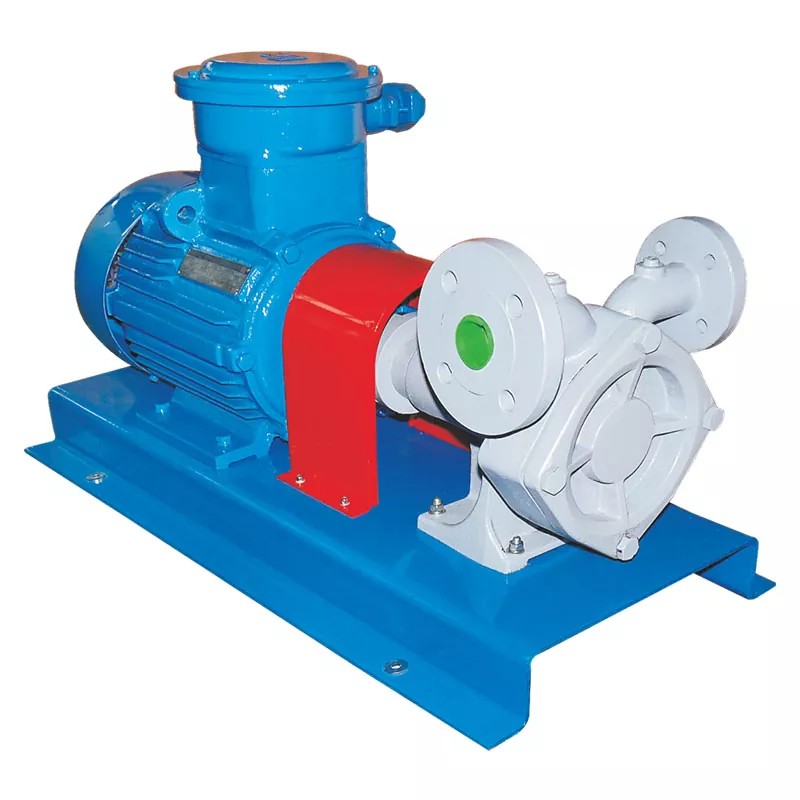
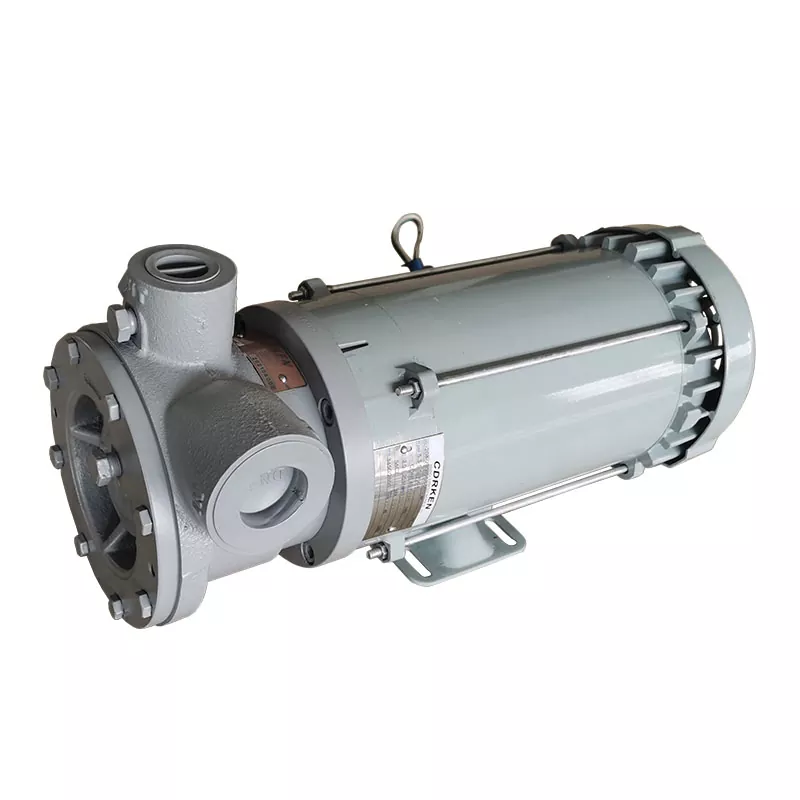
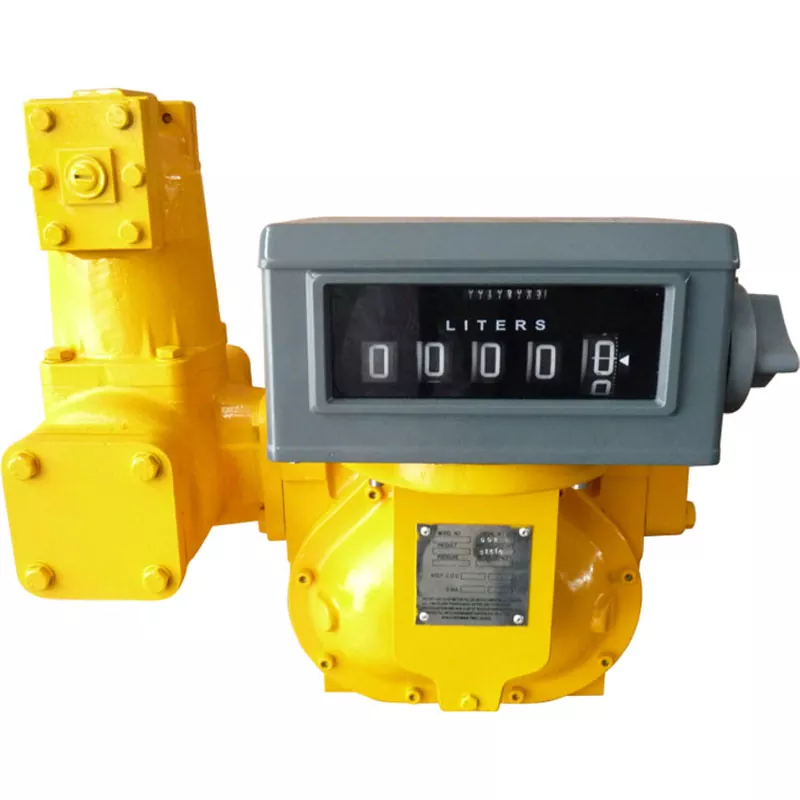
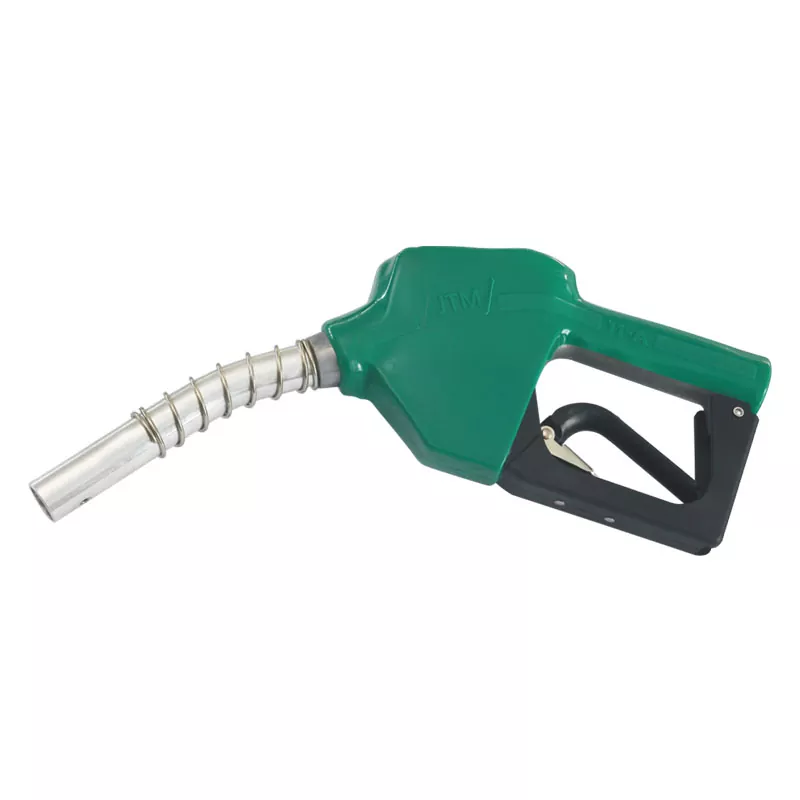
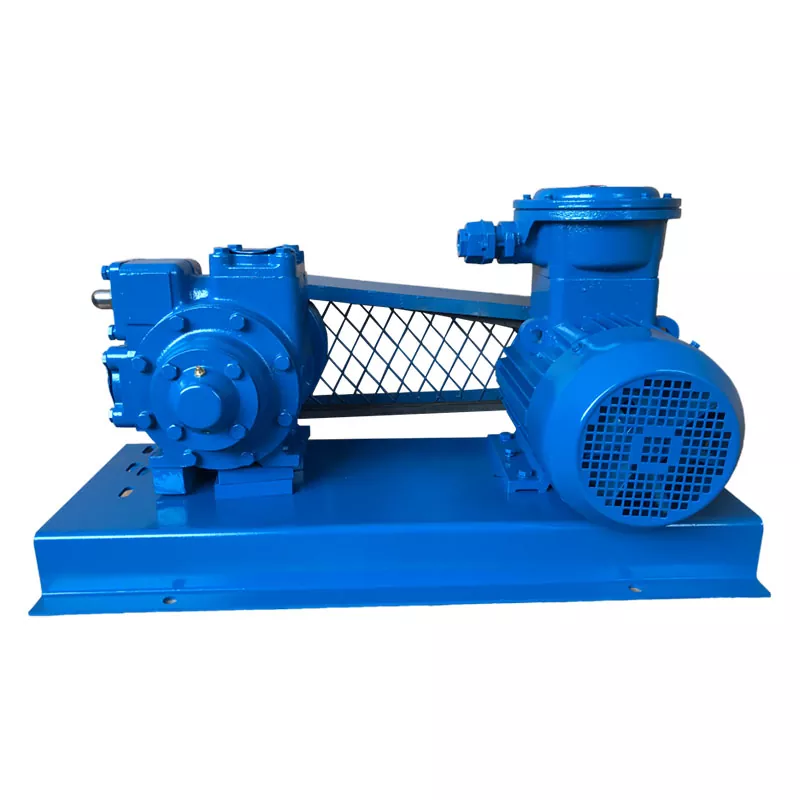
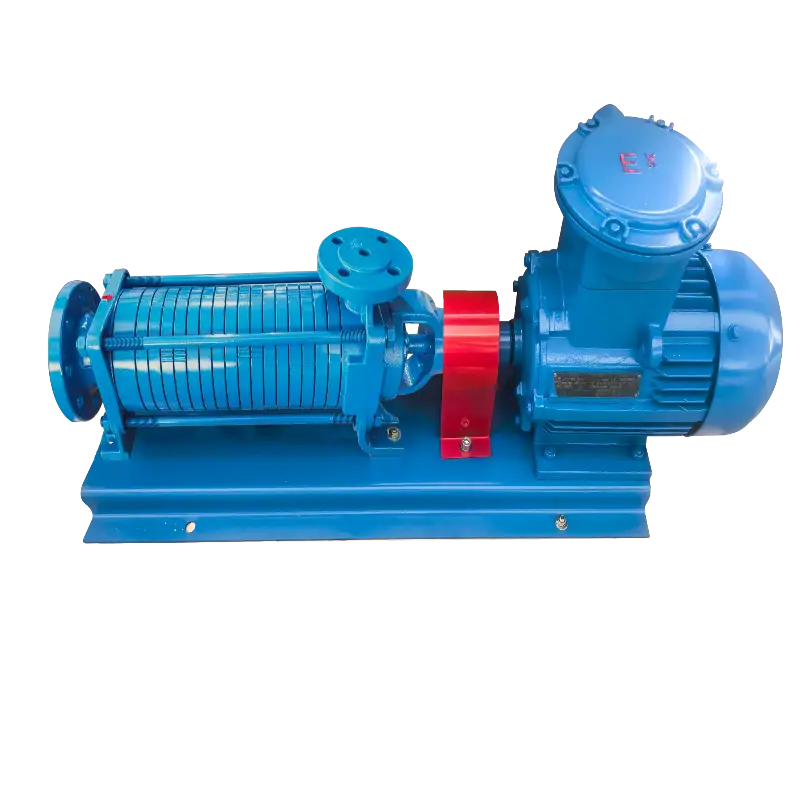
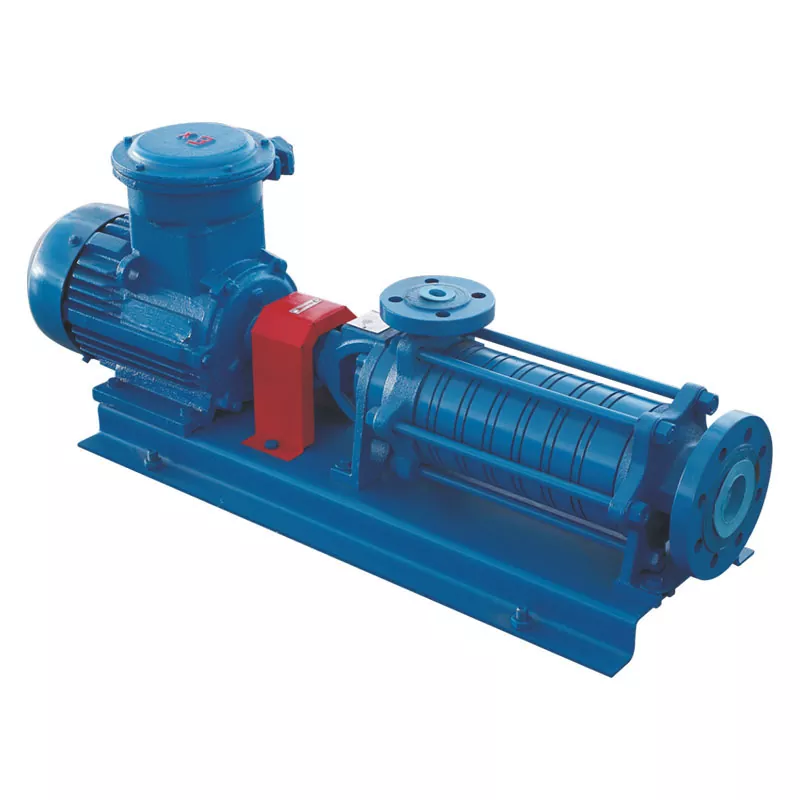
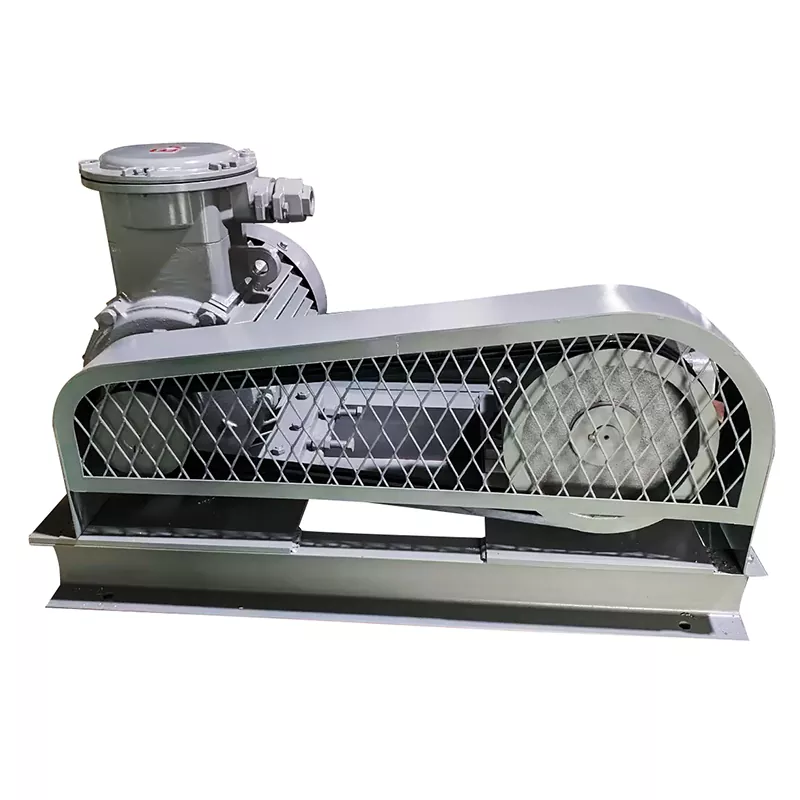
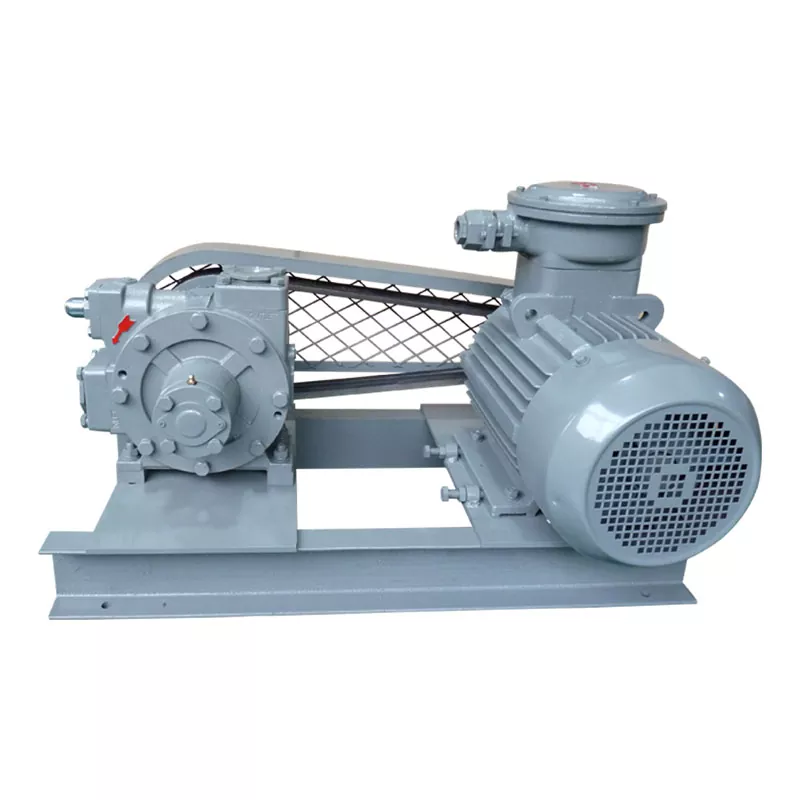
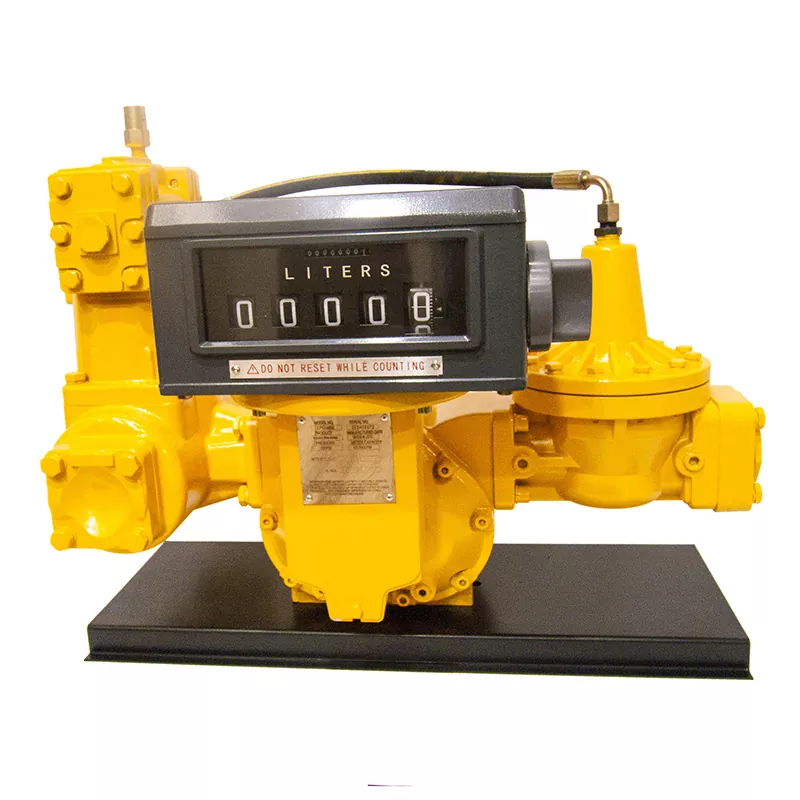
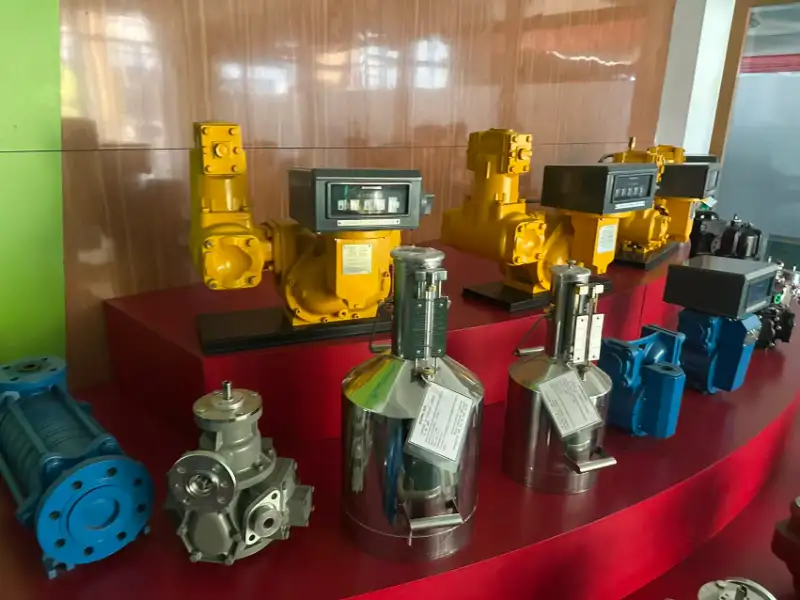
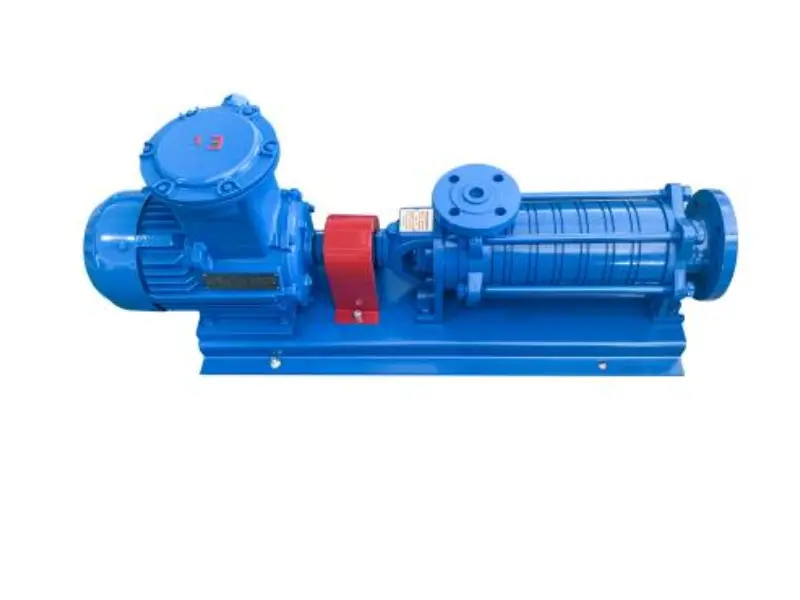
The CTP5 gear combination pump, an oil-gas separator, a check valve, a relief valve, a return oil float, an exhaust float and a filter screen. Its relief valve is equipped with a regulating device that can adjust the outlet pressure of the pump, enabling the pump to not only meet the needs of different outlet pressure scenarios but also have the effect of oil-gas separation. It has the advantages of reliable operation, convenient installation and maintenance, small size, light weight, and suitability for multi-nozzle fuel dispensers in one machine.
The core feature of a fuel dispenser gear pump lies in its highly integrated vapor separation function, optimized specifically for metering accuracy and safety requirements in fuel dispensing. Building on the traditional gear pump's strengths of strong self-priming capability and stable flow, this type of pump incorporates a dedicated vapor separation device internally. It effectively separates and discharges vapor from the fuel using structures such as cyclone separators, ensuring that the dispensed fuel is free of vapor. This safeguards the dispenser's metering accuracy and prevents counting errors caused by "air-fuel mixing." Additionally, for safety reasons, such pumps often employ copper gears or feature explosion-proof configurations to prevent sparks from friction when conveying low-flash-point flammable media like gasoline.
The core function of an LPG pressure relief valve is to reduce the high-pressure gas from the cylinder (which varies with temperature and remaining gas volume) in a single stage and stabilize it to the low pressure required by the combustion appliance. It ensures a constant and safe operating pressure is delivered, regardless of fluctuations in upstream pressure or changes in downstream gas consumption, thereby enabling stable combustion in gas appliances and preventing safety accidents such as leaks or flame out caused by excessive pressure.
A LPG safety valve is a critical safety device used in liquefied petroleum gas (LPG) storage tanks or systems. Its core function is to automatically open when the internal pressure of the container exceeds a preset safe value, releasing part of the medium to reduce pressure and prevent container rupture or explosion due to excessive pressure. It typically employs a spring-loaded design, featuring precise set-point pressure for activation and reliable sealing performance. This ensures it remains tightly closed under normal pressure conditions and responds promptly during over pressure events. As an indispensable component for ensuring the safety of LPG storage, transportation, and usage, the safety valve requires regular calibration and maintenance to guarantee it remains in effective working condition.
Dual Solenoid Valve for LPG dispenser is a critical safety control component. Its core function is to achieve rapid and reliable control of liquefied gas (such as LPG) flow through a dual-coil redundant design. Under normal operating conditions, it responds to electrical signals to precisely open or close the gas supply. If the main coil fails, the backup coil immediately takes over to forcibly cut off the gas source, preventing gas leaks. Its explosion-proof and corrosion-resistant structure is suitable for flammable and explosive environments. Widely used in commercial kitchens, industrial heating systems, and other applications, it provides dual safety protection for gas equipment, significantly enhancing the system's emergency response capability and operational stability.
In LPG solenoid valve is an automatic safety device that controls the opening and closing of a gas pipeline through the energization and de-energization of an electric current. When energized, the valve opens to allow gas flow; when de-energized, the valve closes rapidly under spring action to cut off the gas supply. Its primary function is to ensure safe gas supply during the operation of appliances such as gas stoves and water heaters, and to immediately cut off the gas flow when the appliance is turned off, during a power outage, or upon detection of a leak, thereby preventing accidental gas leakage that could lead to fires or poisoning incidents. It is a critical safety protection component in liquefied gas systems.
We use cookies to offer you a better browsing experience, analyze site traffic and personalize content. By using this site, you agree to our use of cookies.
Privacy Policy